slippage
noun slippage
ˈslɪpɪdʒ
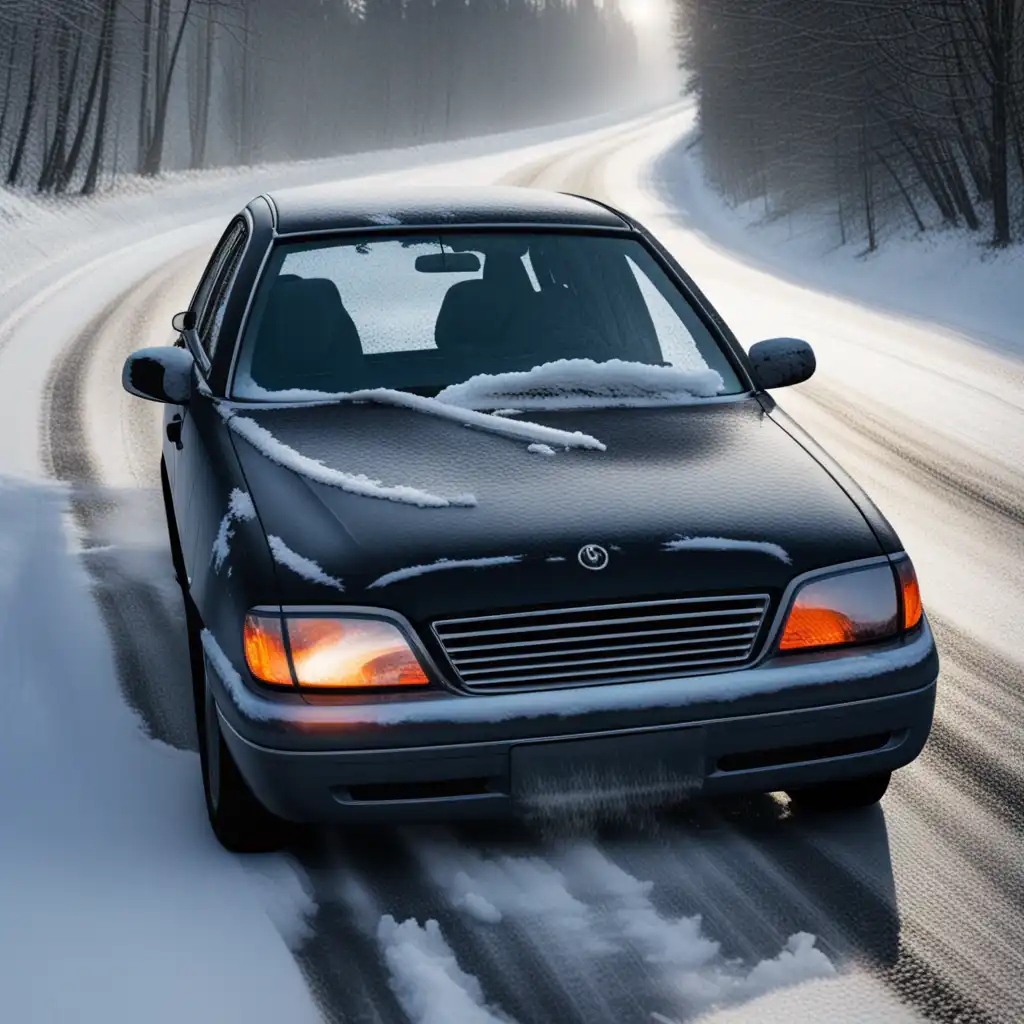
The act of sliding unintentionally for a short distance.
There was some slippage on the icy road, causing the car to swerve.
slippage
ˈslɪpɪdʒ
Loading…
ˈslɪpɪdʒ
The act of sliding unintentionally for a short distance.
There was some slippage on the icy road, causing the car to swerve.
ˈslɪpɪdʒ
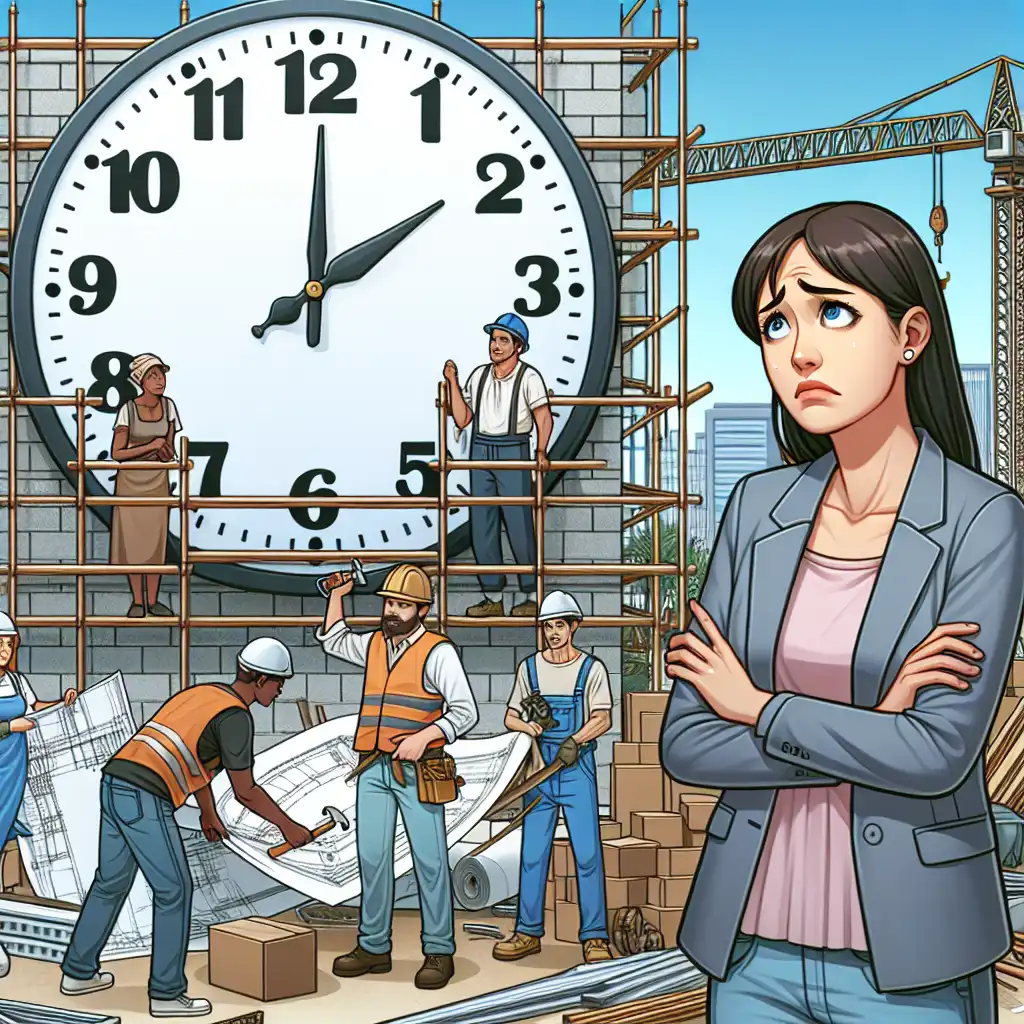
Failure to meet a standard or target.
The project suffered from time slippage due to unforeseen challenges.

ˈslɪpɪdʒ
In computing, the difference between the expected output and the actual output due to factors like speed variation in moving parts of a system or transmission errors.
He was trying to reduce the slippage in the signal synchronization in the data communication system.

ˈslɪpɪdʒ
The difference in speed between the tires of a vehicle and the surface over which it is moving, expressed as a percentage.
He checked the tire slippage to ensure the car was safe for a long journey.
Audio could not be loaded. Please try again later.
The word "slippage" can mean a few different things, but generally it is used to describe a decrease or loss of something that was previously stable or secure. For example, if you are driving a car and you suddenly lose control and the car begins to skid, you might say that there was "slippage" on the road. Similarly, if you are in a business meeting and the conversation strays away from the main topic, you could say that there was "slippage" in the agenda or discussion.In both cases, "slippage" refers to a situation where something that was supposed to be steady or stable has decreased or become less controlled. It can also be used in other contexts, such as in financial or scientific settings, but the basic idea is always the same: something that was supposed to be secure or controlled has become less so, resulting in some kind of loss or decrease.
Decline means a gradual decrease or reduction in something over a period of time. For example, when a company's profits decrease over several quarters, it is considered a decline in profits.
Decline is applicable in situations where there is a steady and consistent decrease in something.
Open word: Decline →Droop and slippage have different meanings and are used in different contexts.
- Droop refers to a downward or sagging movement. It describes something that is bending or sinking downwards due to weight or lack of support.
For example, a plant or flower may droop if it lacks water or if the stem is too weak to hold it upright.
Similarly, a person's eyelids may droop when they are tired or sleepy.
Droop refers to a downward movement while slippage refers to a shift from its original position.
Open word: Droop →Instability means the state of not being stable or secure, prone to change or give way.
Instability is applicable when talking about the lack of stability or control in a situation or system, while slippage is applicable when something has moved out of place or is failing to perform as expected.
Open word: Instability →Sag refers to a downward droop or bend in something, often caused by gravity.
In essence, sag refers to a bending downwards, while slippage refers to something slipping or moving out of place.
Open word: Sag →Skid refers to when a vehicle suddenly loses traction and slides or scrapes along a surface. It usually occurs when a vehicle is traveling too fast and the tires cannot maintain grip on the road.
Skidding can occur on wet, icy or slippery surfaces.
Skid refers to an uncontrolled sideways movement of a vehicle, while slippage refers to a lack of forward movement despite the wheels turning.
Skid can happen in situations where the vehicle is traveling too fast on slippery surfaces, while slippage can occur due to a lack of grip on the road or worn out tires.
Open word: Skid →Slide refers to moving smoothly along a surface, while slippage refers to the amount or degree of slipping or sliding that has occurred.
For example, you might slide down a playground slide or slide on an icy sidewalk, but the slippage could refer to how much your foot slipped or how far you slid on the ice.
Essentially, slide refers to the act of moving while slippage refers to the consequence or level of movement.
Open word: Slide →Slip means to lose footing or to slide unintentionally.
Slippage is the amount or degree of slipping that occurs. It refers to the movement or displacement of an object from its intended position due to slipping.
For example, if you slip on a wet floor, you may experience a little slippage as you try to regain your balance.
Slip refers to the action of slipping, while slippage refers to the degree of slipping that has occurred.
Open word: Slip →Subsidence refers to the sinking or settling of the ground surface, often caused by the removal of underlying support, like soil or rocks.
Subsidence is applicable to geological, environmental, and construction contexts.
Open word: Subsidence →Billy Collins: Everyday...
Watch on YouTube ↗Words are a pretty blunt instrument. There's always going to be slippage between the words and the infinite complexities of a thought. As a writer, I find that frustrating, but as a social animal, I wouldn't have it any other way.
I don't look at things in black and white. There are big gray areas. There's a lot of slippage.
Marketing is selling an ad to a firm. So, in some sense, a lot of marketing is about convincing a CEO, 'This is a good ad campaign.' So, there is a little bit of slippage there. That's just a caveat. That's different from actually having an effective ad campaign.