baste
verb baste
beɪst
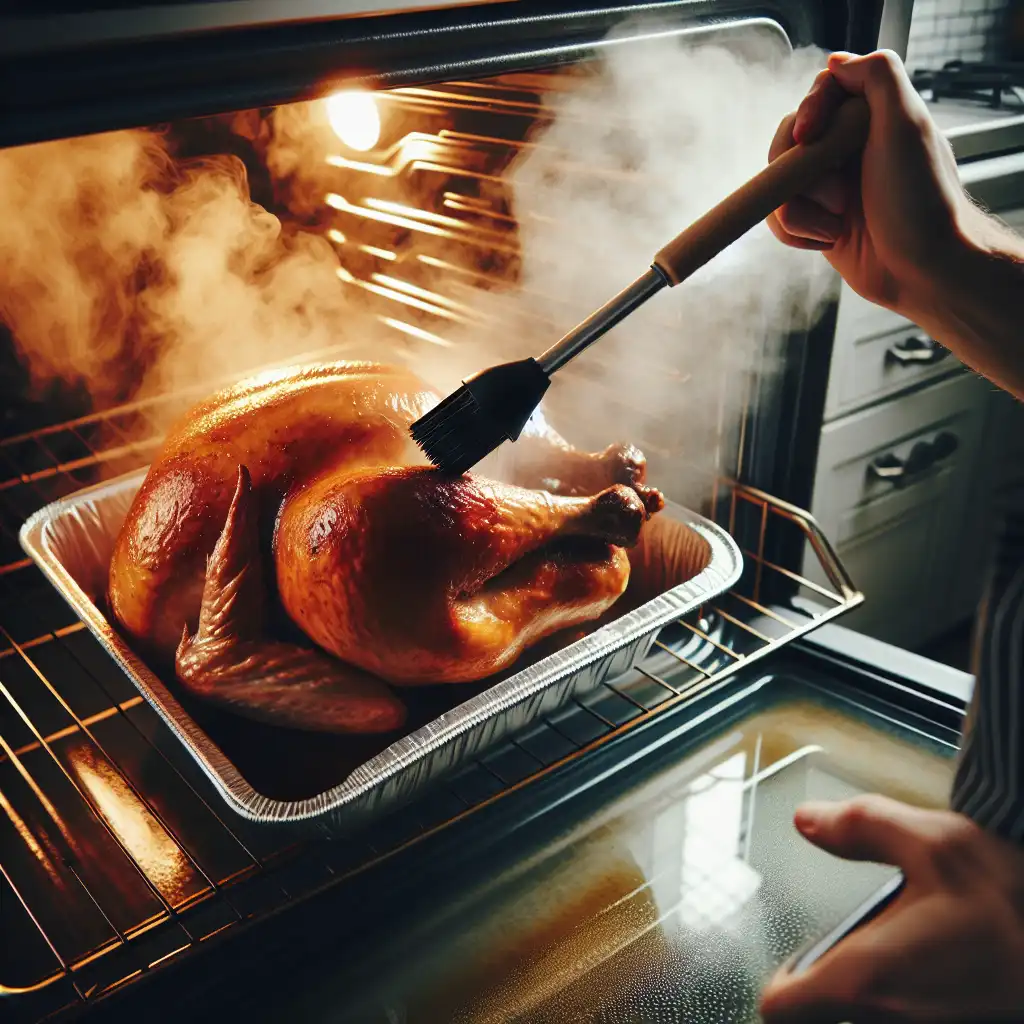
Pour juices or melted fat over (meat) during cooking to keep it moist.
Don't forget to baste the turkey every half hour.
baste
beɪst
불러오는 중…
beɪst
Pour juices or melted fat over (meat) during cooking to keep it moist.
Don't forget to baste the turkey every half hour.
beɪst
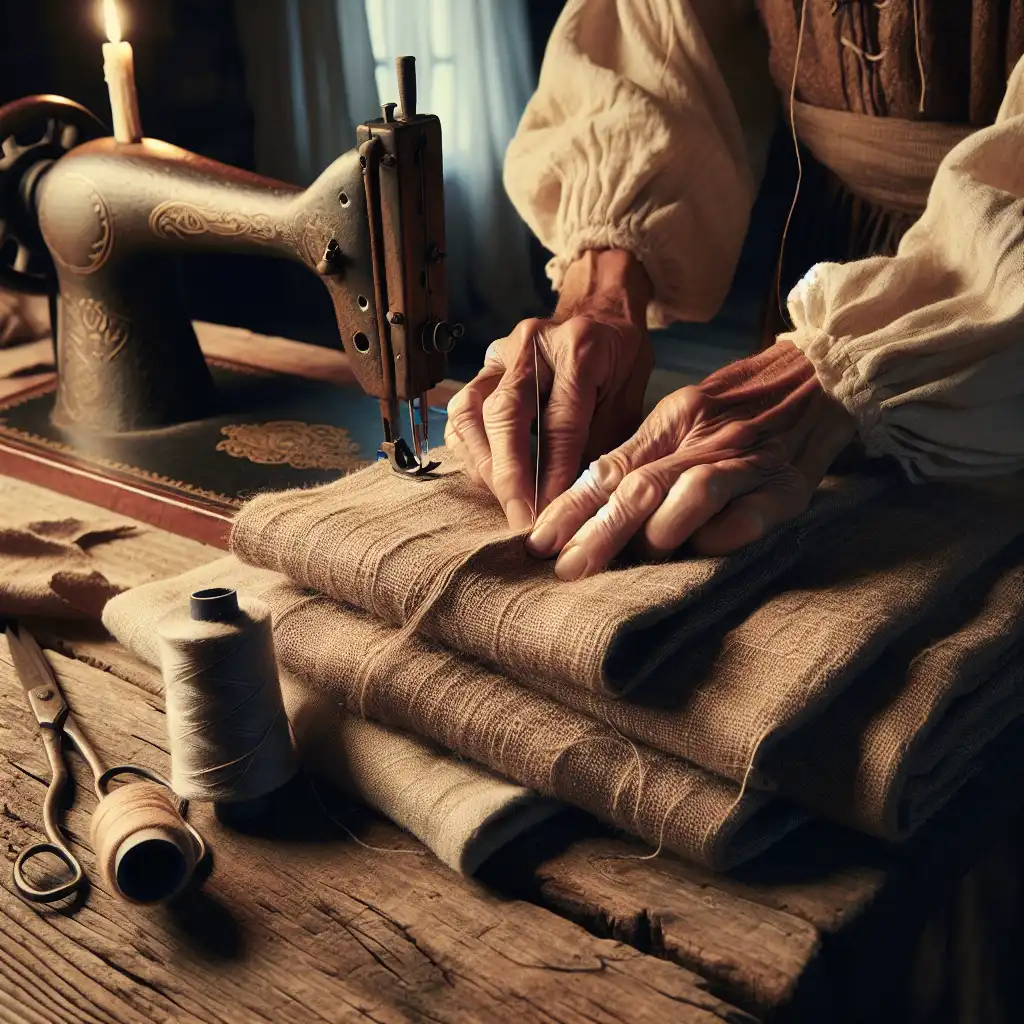
Sew loosely with large running stitches to hold together temporarily.
Before you permanently sew the fabric, baste the pieces together to see if they fit.

beɪst
Beat or thrash (someone).
He threatened to baste me if I didn't hand over the money.
오디오를 불러오지 못했어요. 잠시 후 다시 시도해 주세요.
The word 'baste' is often used in cooking, especially when roasting meat. It means to spoon or brush melted fat or juices over the meat as it cooks to keep it moist and add flavor. Basting is typically done every 15-30 minutes during the cooking process. In sewing, 'basting' refers to temporarily stitching two pieces of fabric together with long, loose stitches to hold them in place while the final sewing is done.
Fasten refers to permanently securing something in place.
Baste is a temporary way of holding something in place while you work on it, while fasten refers to a more permanent way of securing something in place.
단어 열기: Fasten →Basting can help ensure that pieces of fabric align correctly when sewing them together.
Hemming is the process of sewing a finished edge onto the bottom of a garment or other project. This creates a neat, clean border that keeps the fabric from unraveling or fraying.
Hems can be sewn by hand or with a sewing machine and are often used on pants, skirts, and sleeves.
In short, basting is a temporary stitch used to hold fabric in place before permanent stitching, while hemming is the process of sewing a finished edge onto the bottom of a garment.
단어 열기: Hem →Join is used when you are permanently connecting two pieces of something together. For example, you might join two pieces of wood together to make a table, or you might join two pieces of piping together to create a longer pipe.
In short, 'basting' is temporary and 'joining' is permanent.
단어 열기: Join →Mend means to repair something that is broken or damaged. This could be anything from a torn shirt to a broken vase.
Baste is applicable when sewing pieces of fabric together temporarily, while mend is applicable when repairing something that is broken or damaged.
단어 열기: Mend →Basting and securing are both methods of holding things in place, but they are used for different purposes.
Securing generally refers to making something stable or preventing it from moving. For example, you might secure a heavy object by tying it down or attaching it to something sturdy.
You might also secure a document by locking it in a file cabinet or saving it with a password.
The main difference is that basting is temporary and used in sewing, while securing is about making something stable or preventing it from moving in a more permanent way.
단어 열기: Secure →It is used for holding two pieces of fabric together before sewing them permanently. Sewing is done with small stitches and permanent/impermanent thread.
It is used to join fabric pieces together to create a finished product. So, basting is applicable before sewing to temporarily hold fabric pieces together, while sewing is applicable for creating a permanent final product.
단어 열기: Sew →Basting is a temporary sewing technique used to hold fabric in place before final stitching. It involves using long running stitches that can easily be removed later.
Stitching is a permanent sewing technique used to secure fabric pieces together. It involves using short, tight stitches that hold the fabric firmly together.
Stitching is used to create permanent seams, hems or decorative patterns.
In simpler terms, basting is like a placeholder stitch that can be removed later, while stitching is the final, strong stitch that holds everything together permanently.
단어 열기: Stitch →Basting and tacking are two sewing techniques used to temporarily hold fabric in place before final stitching.
Tacking involves using short, tight stitches to hold fabric in place. This technique is most commonly used for securing zippers, pockets, and other areas that will receive additional stress during wear.
Tacking stitches are generally left in place and are not removed.
In summary, basting is used to temporarily hold fabric together for adjustment or ease of stitching, while tacking is used to permanently secure areas of high stress.
단어 열기: Tack →You can do anything with beer that you can do with wine. Beer is great for basting or marinating meat and fish.
The kimono, haori, and girdle, and even the long hanging sleeves, have only parallel seams, and these are only tacked or basted, as the garments, when washed, are taken to pieces, and each piece, after being very slightly stiffened, is stretched upon a board to dry.
One thing that happens when you're pregnant is that as your stomach starts to stretch. It itches! So I have to keep my belly really lubricated. Every morning, there's a buttering ceremony after I get out of the shower. It's really like basting a turkey with body butter.
My sense of humor is a turkey, and I pull it out of the oven and baste it in reality.
I feel like I have so many stories basting in my mind, and they come busting out when they're ready.
Repeatedly opening the oven - or worse, taking out the turkey to baste it - slows down the momentum of cooking.
Basting is evil. Basting does nothing for the meat. Why? Skin. Skin is designed to keep stuff out of the bird, so basting just lets heat out of the oven. That means the turkey will take longer to cook... so don't touch that door!
Generally I don't find that basting does a lot of anything! I think what makes the most difference is treating the turkey ahead of time with a dry brine. It really does provide a very moist result.
In deference to American traditions, my family put our oven to rare use at Thanksgiving during my childhood, with odd roast-turkey experiments involving sticky-rice stuffing or newfangled basting techniques that we read about in magazines.