murk
noun murk
mɜːrk
Darkness or thick mist that makes it hard to see
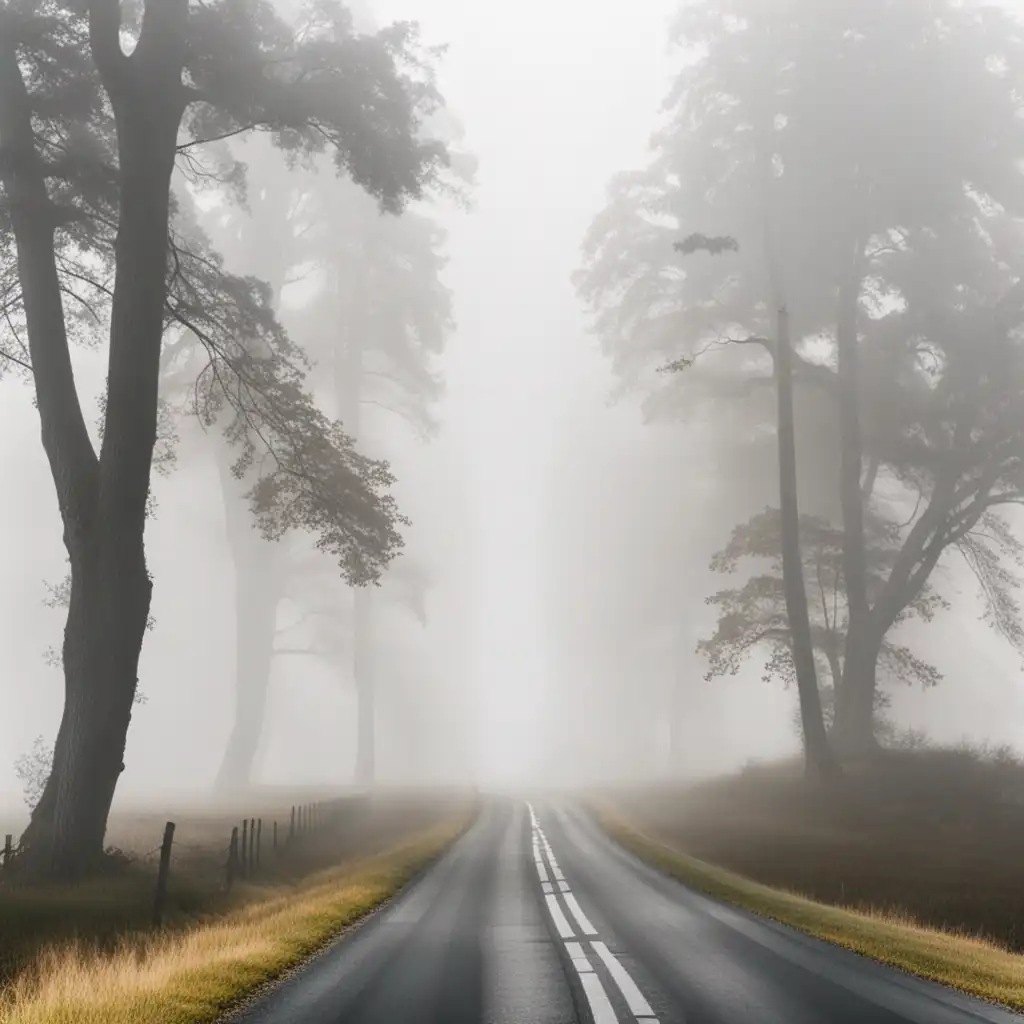
The fog created a murk that made it difficult to see the road ahead.
murk
mɜːrk
लोड हो रहा है…
mɜːrk
Darkness or thick mist that makes it hard to see
The fog created a murk that made it difficult to see the road ahead.
mɜːrk
To obscure or darken something
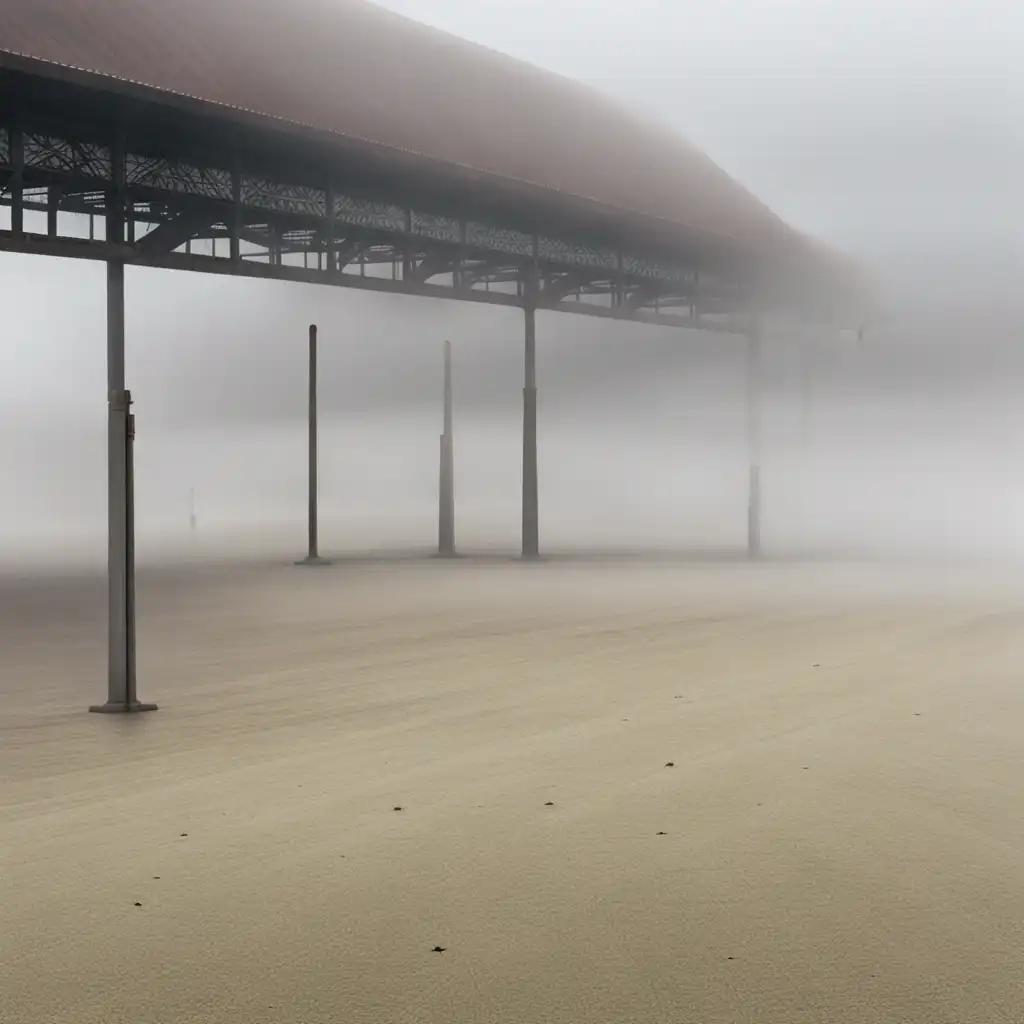
The thick fog murked my visibility.
mɜːrk
A state of confusion or uncertainty
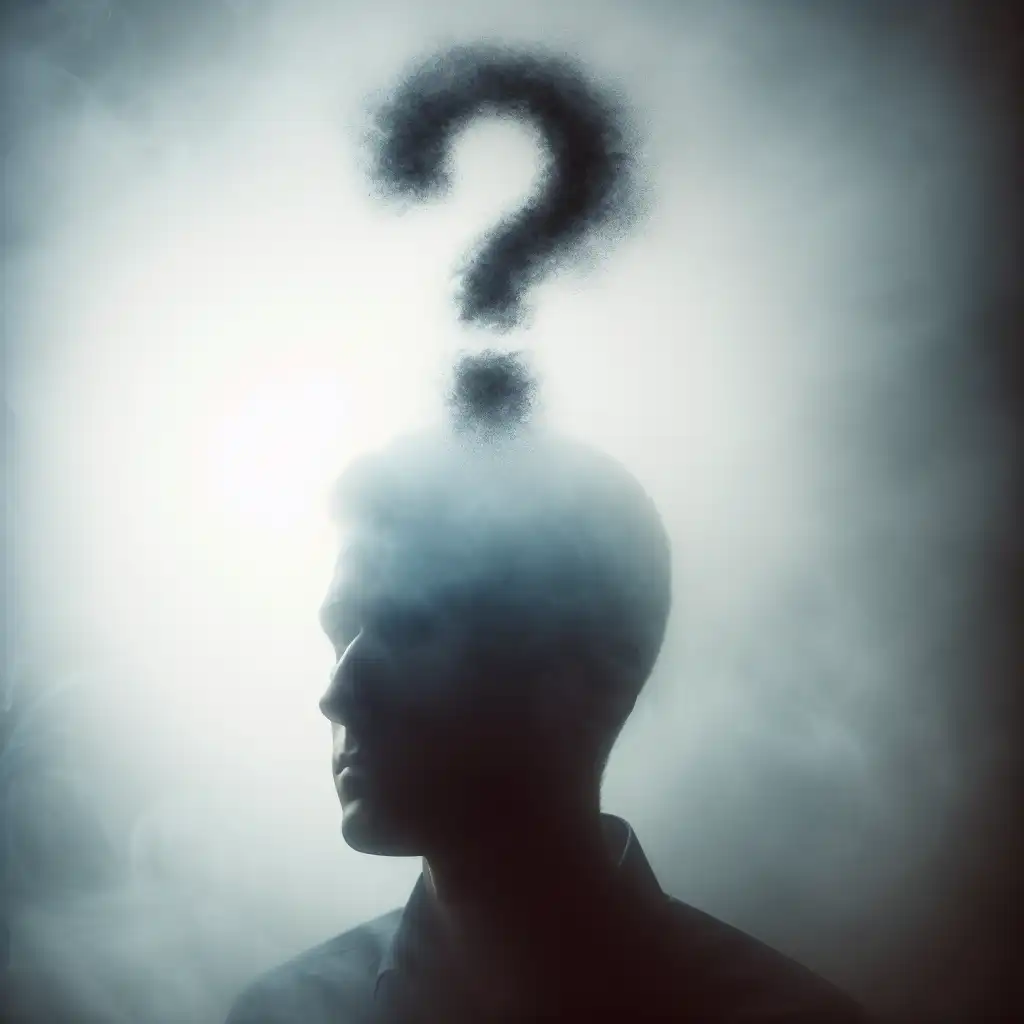
In the murk of my mind, I couldn't understand what was happening.
ऑडियो लोड नहीं हो सका। कृपया बाद में फिर कोशिश करें।
The word 'murk' means darkness, gloom or mistiness. It is often used to describe the kind of weather or atmosphere where the sky is overcast and everything appears dim or shadowy. For instance, you might say, "It's hard to see anything in the murk," during a foggy day or "The forest was dark and murky," when describing a spooky setting in a story. You can use 'murk' to describe a sense of mystery or confusion, as in "The plot of the movie was murkier than I expected."
Cloudiness refers to the presence of clouds, or a state where the sky appears to be covered with clouds, making it cloudy or overcast.
Cloudiness is applicable when referring to the physical appearance of the sky or a liquid, while murk is applicable when referring to a state of darkness or obscurity.
शब्द खोलें: Cloudiness →Dark refers to a lack of light or the absence of brightness.
Murk refers to a heavy or thick darkness, often caused by fog or smoke.
The difference between the two words is that dark is a general term for a lack of light, while murk specifically refers to a heavy and unclear darkness.
शब्द खोलें: Dark →Dim usually describes a light that is not very bright or a place that is not well-lit.
If you want to say that a room is not well-lit, you would say it is dim, but if you want to describe a foggy day, you would say it is "murky." If you want to say that someone is not very smart, you would say they are "dim-witted," but if you want to describe a complicated situation, you might say it is "murky" or unclear.
शब्द खोलें: Dim →Both gloom and murk can refer to a dark or dimly lit atmosphere, but gloom usually implies a feeling of sadness or depression, whereas murk refers more specifically to the lack of light or visibility.
For example, you might say that a dark and cloudy day feels gloomy because it makes you feel sad, but if you're walking through a forest at night and can't see very well, you would describe the atmosphere as murky.
Gloom is more about emotions and how a dark or dull environment affects your mood, while murk is more about the physical properties of an environment that make it difficult to see clearly.
शब्द खोलें: Gloom →Haze and murk are both words used to describe weather conditions with reduced visibility, but there are subtle differences between them.
Haze refers to a situation where there is a slight blurring of distant objects, and the air may appear slightly opaque.
It is usually caused by high levels of humidity or moisture in the air. Haze is applicable in situations where the air appears to be slightly blurred, while murk is applicable in situations where visibility is significantly reduced by a thick fog or mist.
शब्द खोलें: Haze →Murk and obscurity both refer to a lack of clarity or clearness, but they are used in slightly different contexts.
Obscurity refers to a state of being unknown or hidden from view.
For example, a writer might lament the obscurity of their work, meaning that it is not well-known or widely read.
So, in short, murk refers to a lack of clarity caused by a physical haze or fog, while obscurity refers to something being hidden or unknown by nature.
शब्द खोलें: Obscurity →Opacity refers to something that is difficult to see through or understand. It's often used to describe language or ideas that are deliberately vague or difficult to interpret.
For example, if you were trying to describe a foggy morning, you might say that the air was full of murk. If you were discussing a political issue and found the arguments on both sides confusing, you might say that there was a lot of opacity surrounding the topic.
शब्द खोलें: Opacity →Murk and shadow are both words used to describe darkness or the absence of light, but they have different connotations.
A shadow is a dark area created when an object blocks light.
Shadows can be sharp or blurry, and they change with the position of the light source.
We might use the word shadow to describe the shape of a tree's shadow on the ground or the shadow cast by a person standing under a streetlight.
Murk describes a general lack of light that creates a heavy darkness, while a shadow is a specific dark spot caused by something blocking light.
शब्द खोलें: Shadow →How do we study the...
YouTube पर देखें ↗Murk can be described as an enfeebled fog with a personality disorder; it is more troubled than ethereal, sulking moodily over our lives at the end of the day.
One swallow does not make a summer, but one skein of geese, cleaving the murk of March thaw, is the Spring.