disembowel
verb disembowel
ˌdɪsɪmˈbaʊəl
To cut open an animal or a person and remove their internal organs
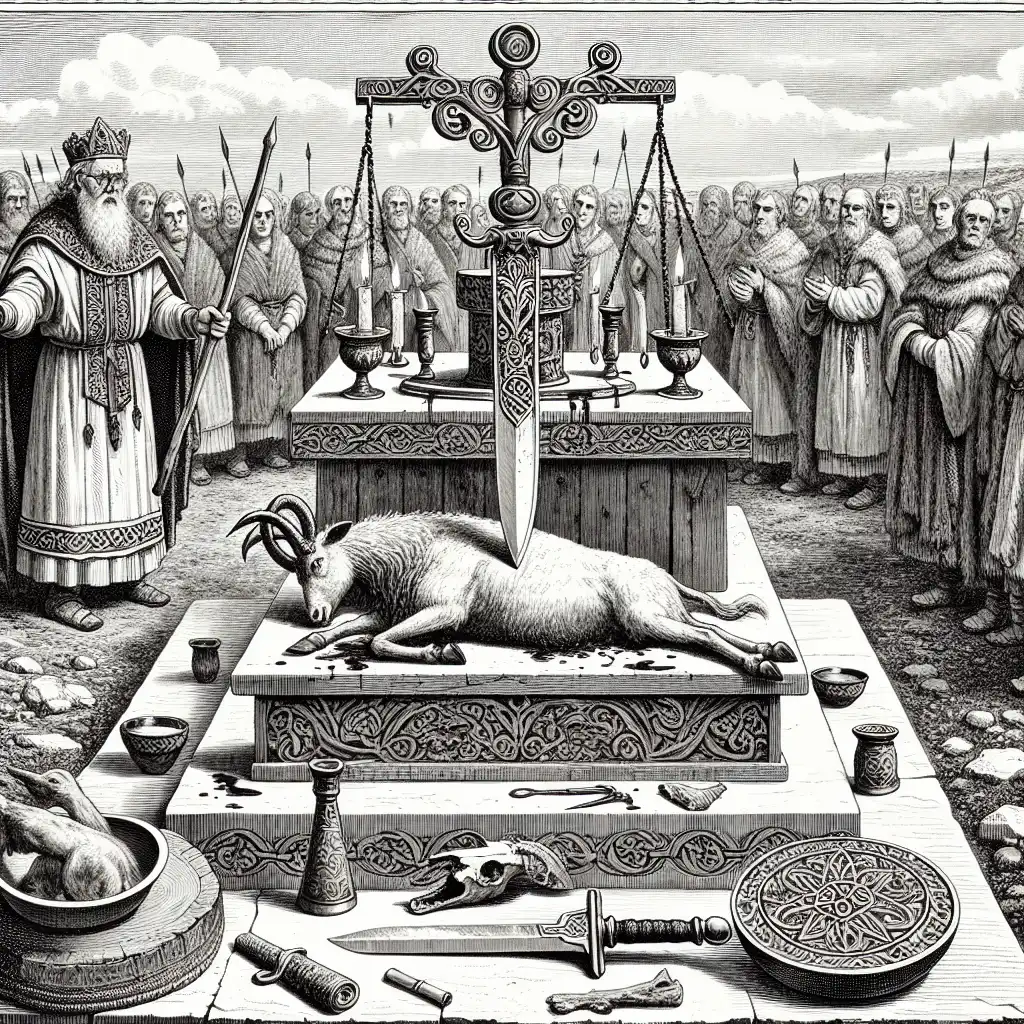
In ancient rituals, they used to disembowel the sacrifice.
disembowel
ˌdɪsɪmˈbaʊəl
불러오는 중…
ˌdɪsɪmˈbaʊəl
To cut open an animal or a person and remove their internal organs
In ancient rituals, they used to disembowel the sacrifice.

ˌdɪsɪmˈbaʊəl
To completely destroy or ruin something
The new regulations have effectively disemboweled our industry.
오디오를 불러오지 못했어요. 잠시 후 다시 시도해 주세요.
The word "disembowel" means to remove the internal organs of someone or something, usually by cutting them open. This word is often used in a violent or gruesome context, such as describing a murder scene or a battle. It is not a word you would use in everyday conversation, but you might come across it in books, movies, or news reports. It is important to use this word with caution, as it can be quite graphic and may offend or upset some people.
Both disembowel and eviscerate refer to the removal of internal organs from an animal or human body.
However, disembowel specifically refers to the removal of organs from the abdominal cavity, whereas eviscerate can also include the removal of organs from the chest or pelvic region.
단어 열기: Eviscerate →Both disembowel and gut refer to removing the internal organs from an animal or person.
However, disembowel typically refers to a more violent and intentional act, often associated with killing or mutilating, while gut is a more general and neutral term used in medical or animal husbandry contexts.
For example, a surgeon might gut a fish to examine its organs for research, while a hunter might disembowel a deer to prepare its meat.
단어 열기: Gut →A Story of Community and...
YouTube에서 보기 ↗