bacterial
adjective bacterial
bækˈtɪriəl
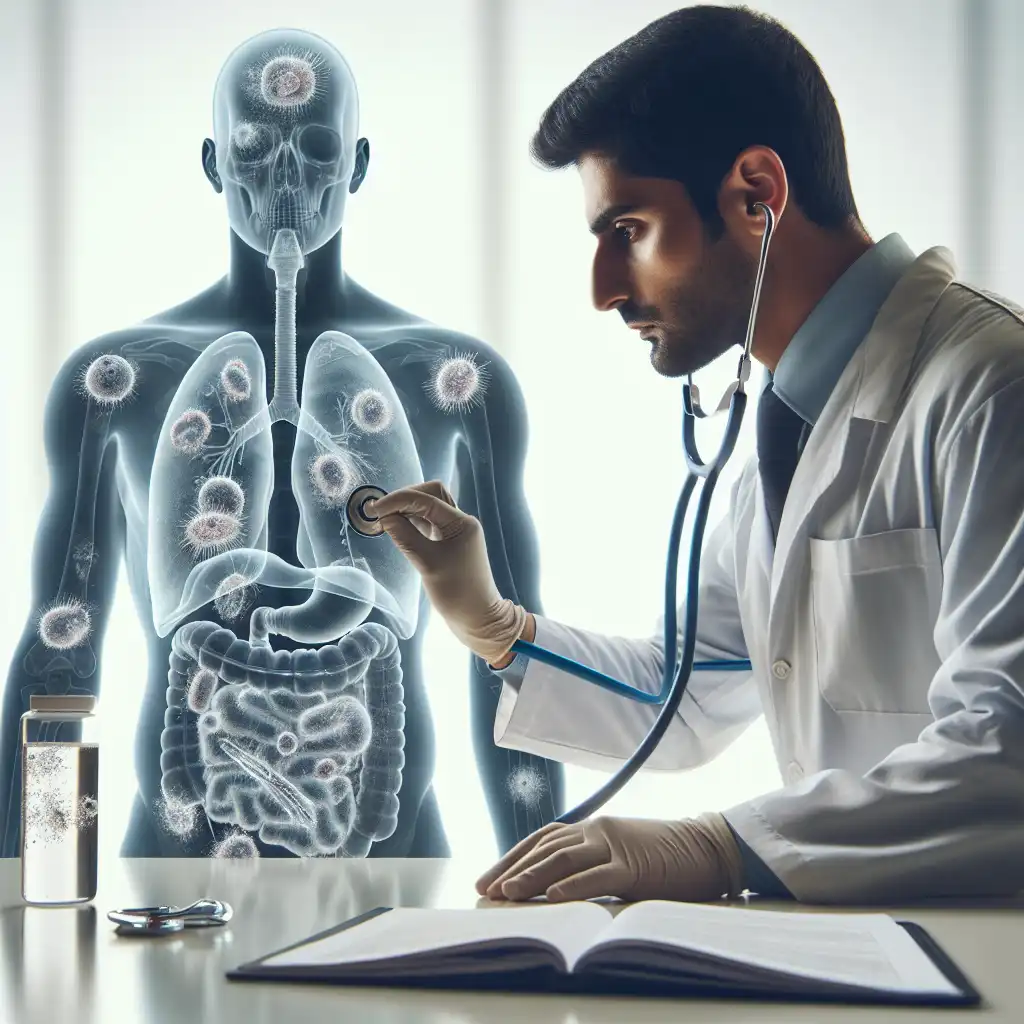
Related to or caused by bacteria
He was diagnosed with a bacterial infection in his lungs.
bacterial
bækˈtɪriəl
लोड हो रहा है…
bækˈtɪriəl
Related to or caused by bacteria
He was diagnosed with a bacterial infection in his lungs.
bækˈtɪriəl
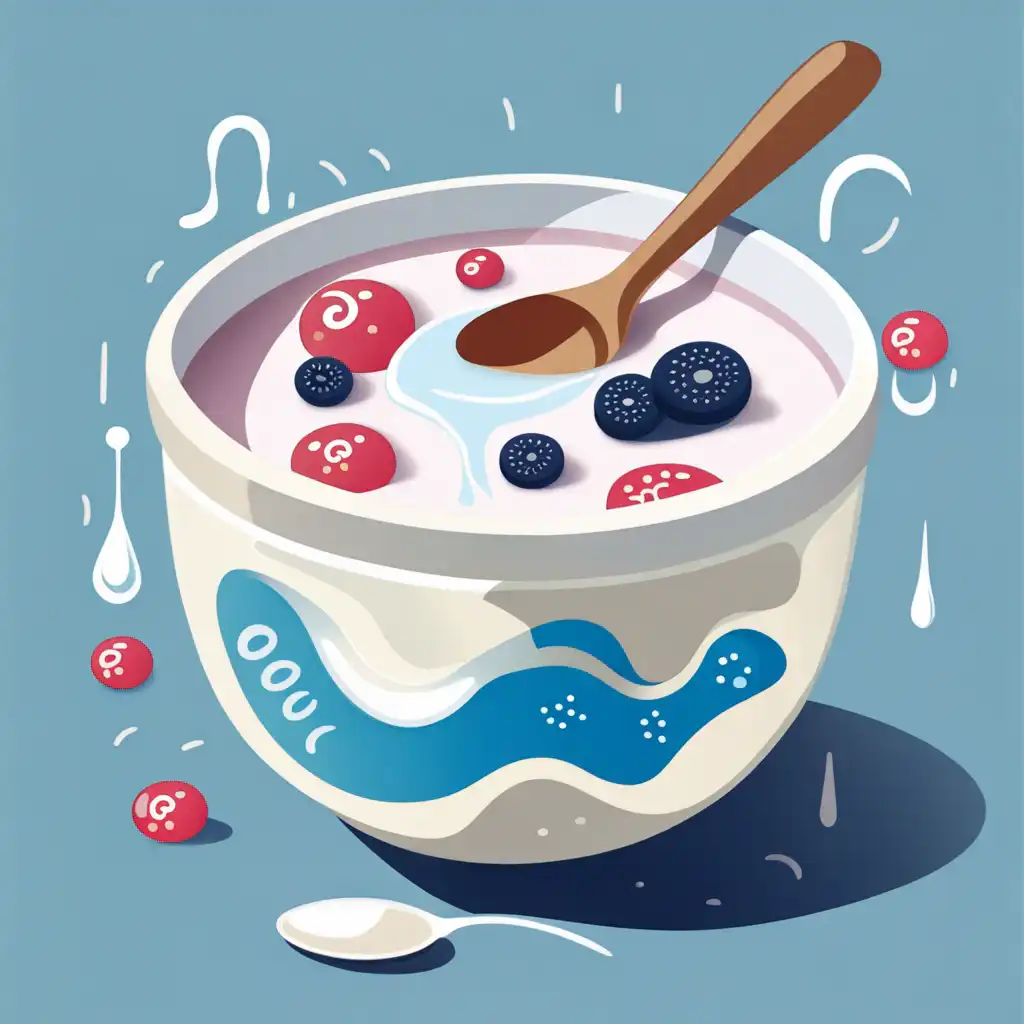
Involving or using bacteria
The bacterial fermentation process in making yogurt is important.
bækˈtɪriəl
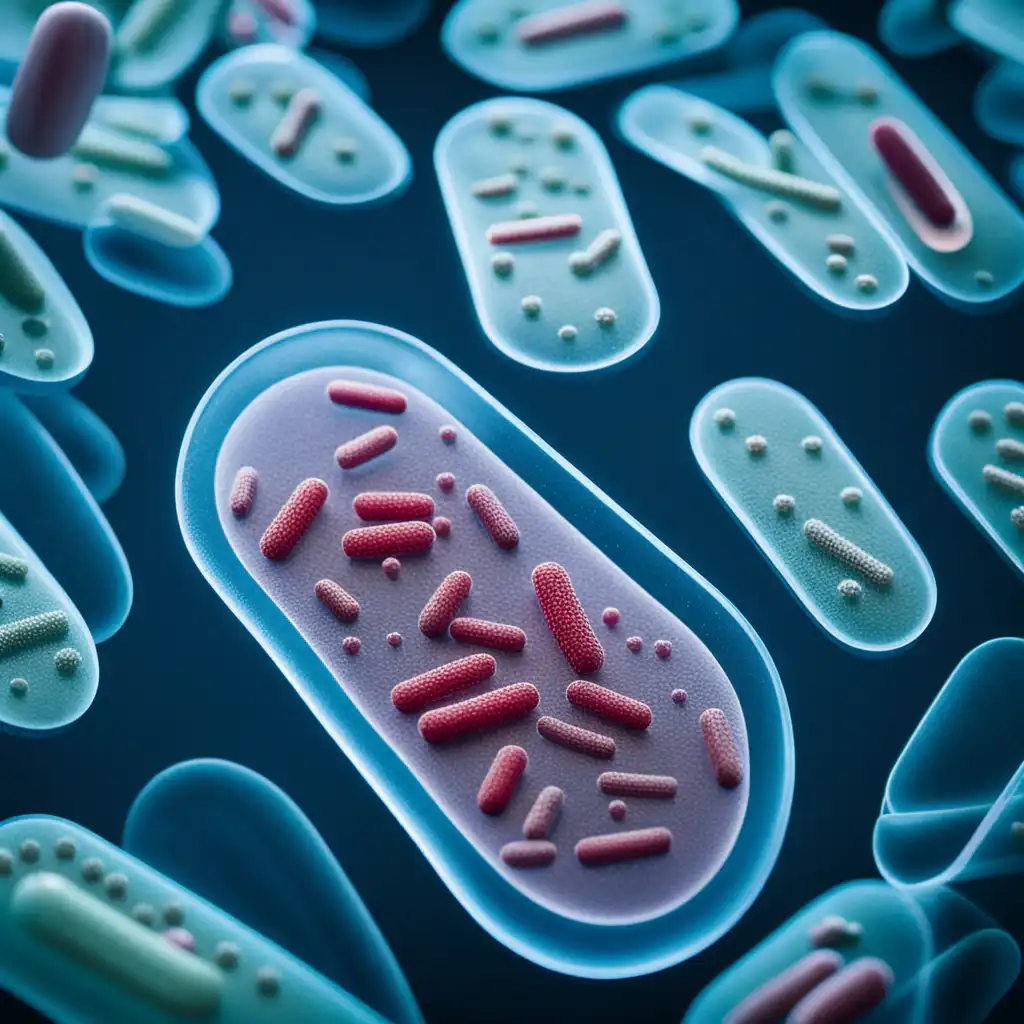
Coming from bacteria
It's a bacterial strain that's resistant to all current antibiotics.
ऑडियो लोड नहीं हो सका। कृपया बाद में फिर कोशिश करें।
The word "bacterial" refers to something that is related to bacteria, which are tiny organisms that can be harmful or helpful to humans. We use it to talk about things like bacterial infections or bacterial growth, which can happen in places like food or water. It's a scientific term that is often used in medicine or biology.
Bacteriological relates to the study of bacteria or the use of techniques involved in studying bacteria. For example, "bacteriological analysis" means the study of bacteria in a laboratory.
The term bacterial is mostly used in medical fields, while bacteriological is used in laboratory or scientific research settings.
शब्द खोलें: Bacteriological →Contagious refers to something that can be spread from person to person through some form of contact. This can include things like viruses, which can cause illnesses like the flu or the common cold.
Bacterial refers to the cause of an illness or infection, while contagious refers to how that illness or infection can be transmitted from person to person.
शब्द खोलें: Contagious →Germ, on the other hand, can refer to any kind of organism that can cause disease, including bacteria, viruses, and fungi.
When people use the word germ, they might be talking specifically about a type of bacteria, but they could also be talking about any kind of organism that can make us sick.
Bacterial is a more specific term that refers only to certain types of small organisms, while germ is a more general term that can encompass many different kinds of microorganisms.
शब्द खोलें: Germ →Bacterial refers specifically to a microorganism or germ that is a type of bacteria. Infectious refers more broadly to a disease or illness that is caused by any type of pathogen, including bacteria, viruses, fungi, or parasites.
The flu is an infectious disease because it can be caused by either a virus or bacteria.
Bacterial refers to a specific type of pathogen, while infectious refers to any type of pathogen that can cause a disease or illness.
शब्द खोलें: Infectious →Bacterial refers to a specific type of microbe, which is a single-celled organism that is too small to be seen with the naked eye.
Bacteria are a type of microbe that can cause diseases such as strep throat, pneumonia, and tuberculosis. The term bacterial is applicable when referring to the specific type of microbe that is a bacterium.
The term microbe refers to all types of microorganisms, including bacteria, viruses, fungi, and parasites.
Microbes can be found everywhere, from the air we breathe to the water we drink.
They can be both helpful and harmful, and they are important in fields such as medicine and agriculture. Microbe is applicable when referring to any type of microscopic organism.
शब्द खोलें: Microbe →Bacterial refers to anything related to bacteria (microscopic single-celled organisms), whether harmful or not. Pathogenic refers specifically to bacteria that can cause diseases in humans, animals or plants.
These bacteria are referred to as bacterial but are not pathogenic.
Pathogenic bacteria can cause illnesses like strep throat, pneumonia, urinary tract infections, and food poisoning. These bacteria are categorized as pathogenic because they can cause harm and disease in humans.
Bacterial is a broader term that refers to all types of bacteria, whether beneficial or harmful. Pathogenic is a narrower term that specifically refers to the harmful bacteria that can cause diseases.
शब्द खोलें: Pathogenic →Virulent refers to the ability of a microorganism, such as bacteria or viruses, to cause severe or harmful effects on a host organism.
A virulent organism can cause disease even in small amounts.
Bacterial refers specifically to a type of microorganism, while virulent describes the degree of harm that a microorganism can cause.
Bacterial infections can be virulent, but not all bacteria are necessarily virulent.
शब्द खोलें: Virulent →produce important nutrients, regulate the immune system, and protect against harmful germs. We don't yet have the blueprint for exactly which good bacteria a robust gut needs, but we do know that it's important for a healthy microbiome to have a variety of bacterial species.
YouTube पर देखें ↗Where there's water on Earth, you find life as we know it. So if you find water somewhere else, it becomes a remarkable draw to look closer to see if life of any kind is there, even if it's bacterial, which would be extraordinary for the field of biology.
I was in the hospital on life support with less than a two percent chance of living. It wasn't until days later as I lay in a coma that the doctors diagnosed me with bacterial meningitis,
YouTube पर देखें ↗I sing and play the guitar, and I'm a walking, talking bacterial infection.
Because the bacteria can't adhere to it, they can't form colonies. And this is something that helps sharks to resist bacterial infections. And there's also another organ that helps protect sharks from disease-- their liver.
YouTube पर देखें ↗Every cell in our body, whether it's a bacterial cell or a human cell, has a genome. You can extract that genome - it's kind of like a linear tape - and you can read it by a variety of methods. Similarly, like a string of letters that you can read, you can also change it. You can write, you can edit it, and then you can put it back in the cell.
they built up over centuries by colonies of microscopic bacterial cells now although these colonies are rare by most definitions bacteria are the dominant form of life on our planet on every
YouTube पर देखें ↗The problem of chemotherapy of bacterial infections could be solved neither by the experimental medical research worker nor by the chemist alone, but only by the two together working in very close cooperation over many years.
cellular material of viruses bacteria and plants and animals equals and should there be different bars for tinkering with various life-forms for the sake of research versus education versus entertainment and if there are more bacterial cells in our body than human cells and if we can grow human cells in
YouTube पर देखें ↗We never got rid of HIV but we have great treatments for it, we never got rid of bacterial infections but we've got antibiotics.
A slightly different type of stone made of the minerals magnesium ammonium phosphate or struvite, can be caused by bacterial infection. And even rarer stones can result from genetic disorders
YouTube पर देखें ↗Always cleanse your skin at night. So much bacterial build-up happens over the day so at night you really need to take your time and cleanse properly.
The rise in temperature can slow bacteria and help your immune system destroy pathogens. Sleep lets your body channel more energy towards fighting infection. When you stop eating your liver can take up much of the iron in your blood, and since iron is essential for bacterial survival, that effectively starves them.
YouTube पर देखें ↗We are inhabited by as many as ten thousand bacterial species; these cells outnumber those which we consider our own by ten to one, and weigh, all told, about three pounds - the same as our brain.
Since blood vessels and nerves in our teeth are enclosed deep within, at this stage the expanding cavity doesn't hurt. But if the damage extends beyond the dentin, the bacterial invasion progresses causing excruciating pain as the nerves become exposed.
YouTube पर देखें ↗In my lab, we are always thinking about how cells, bacterial cells, can talk to each other and then organize themselves into enormous groups that function in unison.
This isn't unusual. All animals have protective immune systems. But horseshoe crab amebocytes are exceptionally sensitive to bacterial endotoxins. Endotoxins are molecules from the cell walls of certain bacteria, including E. coli.
YouTube पर देखें ↗Carole Lartigue led the effort to actually transplant a bacterial chromosome from one bacteria to another.
helping digestion and immunity. But there are a few bad apples that can cause harmful infections, from minor inconveniences to deadly epidemics. Fortunately there are amazing medicines designed to fight bacterial infections.
YouTube पर देखें ↗The less said about Inner Space Fungus the better. I've still got the tapes in my house, but I'm afraid to play them back for fear that bacterial growth will take over my house.