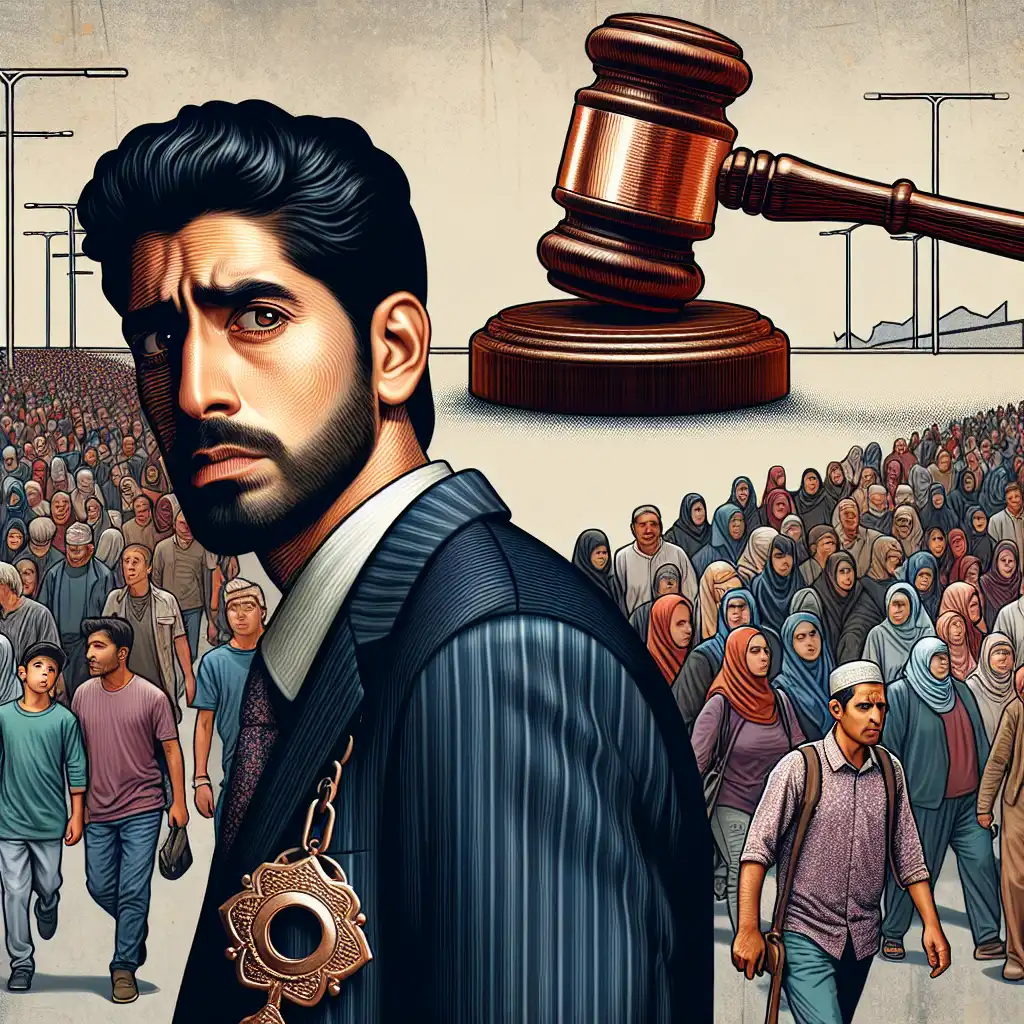
nonconformist
noun nonconformist
ˌnɑːnkənˈfɔːrmɪst
A person who does not follow the usual rules or norms of a society or group
He is a nonconformist who always questions authority.
nonconformist
ˌnɑːnkənˈfɔːrmɪst
Cargando…
ˌnɑːnkənˈfɔːrmɪst
A person who does not follow the usual rules or norms of a society or group
He is a nonconformist who always questions authority.

ˌnɑːnkənˈfɔːrmɪst
A member of a Protestant church in England or Wales that is not part of the Church of England
In the 16th century, many nonconformists were persecuted for their beliefs.

ˌnɑːnkənˈfɔːrmɪst
Not following the usual rules or norms of a society or group
Her nonconformist approach to fashion always turns heads.
No se pudo cargar el audio. Inténtalo de nuevo más tarde.
The word 'nonconformist' is used to describe someone who does not follow the usual or accepted ways of thinking or behavior. It can be used to refer to a person who goes against the norms of society, does things differently from what others expect, or refuses to conform to traditional beliefs or customs. For example, a nonconformist might choose to dress in an unconventional way, pursue an unusual career path, or challenge established religious or political views. The word is often used as a compliment to describe people who are independent, creative, and brave enough to be themselves, even when others try to pressure them to conform.
Conventional means to follow accepted norms or traditions.
It can mean to do things that are considered normal, typical, or expected. For example, wearing a suit and tie to a job interview is a conventional choice.
Both of these words can be applicable in different situations. Conventional choices are often seen as safe, reliable, and predictable.
Ultimately, the choice between conventional and nonconformist depends on the situation and the individual's personal preferences and values.
Abrir palabra: Conventional →A dissenter is someone who disagrees with or opposes an established authority, institution or belief system. This term is commonly used to describe people who go against the majority opinion.
For example, a political dissenter might publicly oppose the government's policies or actions.
Both terms can be applicable in a variety of contexts, but a dissenter typically challenges authority while a nonconformist challenges tradition or social norms.
Abrir palabra: Dissenter →A freethinker is someone who forms their opinions independently, without being influenced by religion or tradition.
Freethinkers are applicable in contexts where independent thought and criticism are valued, such as in academic or philosophical discussions.
A freethinker is someone who forms their opinions independently, and a nonconformist is someone who does not follow societal norms.
Abrir palabra: Freethinker →An iconoclast is someone who challenges traditional or established beliefs, values, or institutions. Iconoclasts are known for breaking the rules and disrupting the status quo.
While both words describe individuals who challenge established ideas, iconoclasts tend to focus more on specific beliefs or institutions, while nonconformists reject broader societal norms in general.
Abrir palabra: Iconoclast →Independent means someone who makes their own decisions and does not rely on others for help or guidance. It is relevant when describing someone who is self-reliant and confident in their abilities.
An independent person is someone who can stand on their own two feet, while a nonconformist person is someone who breaks away from the norms of society.
Abrir palabra: Independent →A maverick is someone who goes against the norm and does things their own way, often taking risks and doing something unexpected or unconventional.
Both terms can be applicable in a variety of contexts, but maverick tends to be more individualistic, while nonconformist can refer to groups or movements that challenge established norms or conventions.
Additionally, maverick can have a positive or negative connotation depending on the context, while nonconformist tends to be more neutral.
Abrir palabra: Maverick →A radical is someone who advocates for significant and often drastic changes to the current system. They seek to challenge the status quo and fundamentally alter the way things are done.
For example, a radical might push for a complete overhaul of the political system or for an entirely new economic model.
A nonconformist is someone who is different from the norm, while a radical seeks to change the norm entirely.
Abrir palabra: Radical →A rebel opposes authority and actively tries to overthrow the system or authority figures. Nonconformity is often seen as a positive trait, whereas rebellion can have negative connotations.
Rebellion is applicable in situations where individuals want to fight against oppressive or unjust systems or authority figures.
Abrir palabra: Rebel →The surprising habits of...
Ver en YouTube ↗The hope of a secure and livable world lies with disciplined nonconformists who are dedicated to justice, peace and brotherhood.
We are concerned with that curious bunch of nonconformists who explain their participation in negative terms: that bunch of do-gooders that goes under all sorts of names - liberals, leftists, etc. These are the people who argue that they are not responsible for white racism and the country's 'inhumanity to the black man.
Originals are nonconformists, people who not only have new ideas but take action to champion them. They are people who stand out and speak up. Originals drive creativity and change in the world. They're the people you want to bet on.
It gives me great pleasure indeed to see the stubbornness of an incorrigible nonconformist warmly acclaimed.
Mavericks are nonconformists. They pride themselves on going it alone.
Why do you have to be a nonconformist like everybody else?
I'm not scary. It's scary for people to see someone being nonconformist.
I'm a total nonconformist; for me, it's about going down rabbit holes.
To some extent, people who are insane are nonconformists, and society and their family wish they would live what appear to be useful lives.
I was never a protestor, don't get me wrong, I was never like a vocal... what was the line I used to repeat to myself?... I was a nonconformist in a conforming society, that's what I thought about myself back in the '70s.