divertimento
noun divertimento
dɪˌvɜːrtɪˈmentəʊ
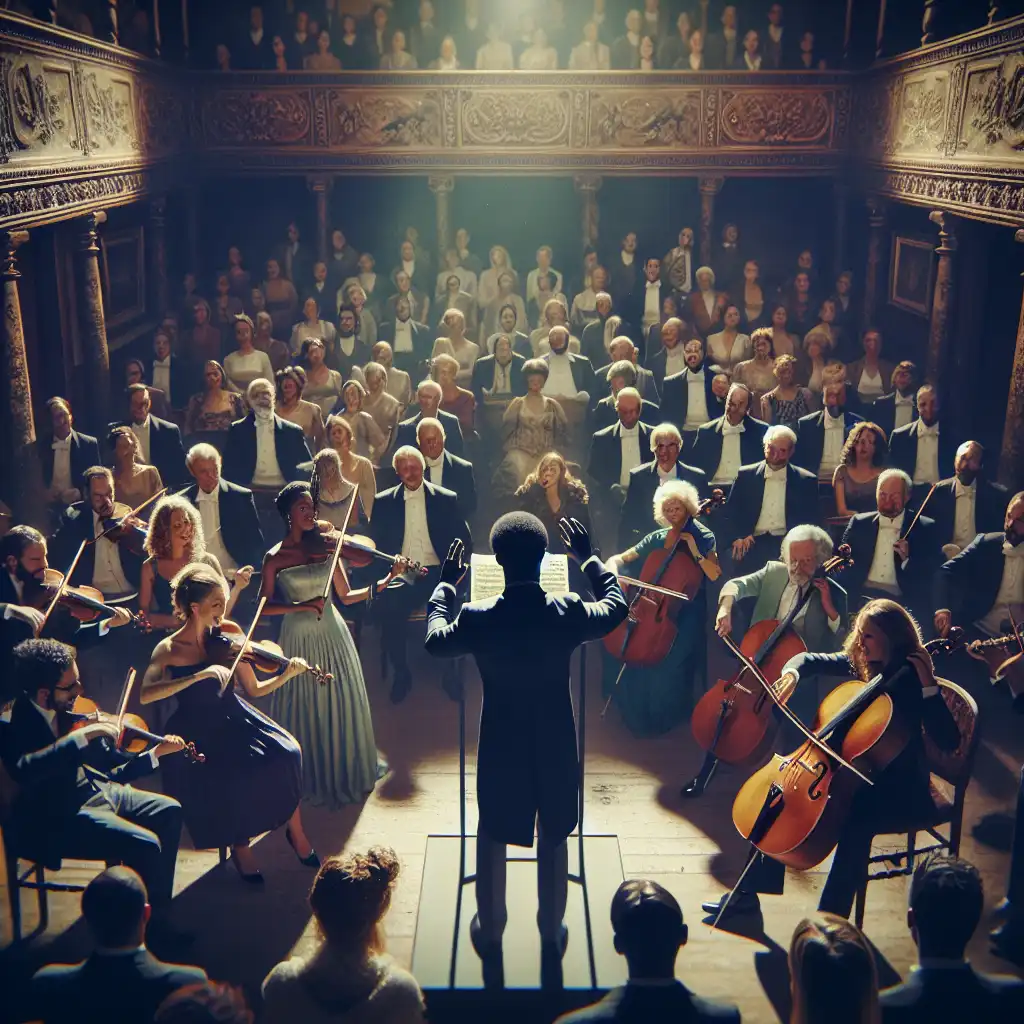
A light and entertaining piece of music, often from the 18th century.
The orchestra played a divertimento by Mozart, adding a light-hearted touch to the evening.
divertimento
dɪˌvɜːrtɪˈmentəʊ
Cargando…
dɪˌvɜːrtɪˈmentəʊ
A light and entertaining piece of music, often from the 18th century.
The orchestra played a divertimento by Mozart, adding a light-hearted touch to the evening.

dɪˌvɜːrtɪˈmentəʊ
Any kind of light, fun, entertainment.
The carnival was a divertimento for those seeking a little enjoyment and fun.
No se pudo cargar el audio. Inténtalo de nuevo más tarde.
Divertimento is an Italian word that means "entertainment" or "amusement." It is often used in the context of music, where it refers to a light-hearted composition meant to entertain an audience. Divertimento can also be used to describe any activity or event that is enjoyable and intended to provide relaxation or amusement. For example, going to the movies, playing games, or hanging out with friends can all be considered divertimenti. In short, any enjoyable activity that provides entertainment or relief from stress can be a divertimento.
Amusement refers to an activity or event that is intended to provide fun or enjoyment.
Amusement refers to an activity or event that provides enjoyable entertainment, whereas divertimento is a type of music that is intended to enhance the atmosphere of a social gathering.
Abrir palabra: Amusement →Distraction refers to something that takes your attention away from what you are supposed to be doing. For example, if you are trying to study and your phone keeps buzzing with notifications, the notifications are distractions.
Divertimento refers to an enjoyable activity or entertainment that serves as a pleasant distraction or diversion from everyday routines.
Distraction is something that disrupts your focus and attention from important tasks, while divertimento is a pleasant way to take a break from routine activities.
Abrir palabra: Distraction →Diversification refers to the process of spreading investments or resources across different areas in order to minimize risk or increase opportunity.
Diversification is applicable in finance and business when talking about investments and resource allocation while divertimento is applicable in the world of music when describing a type of composition.
Abrir palabra: Diversification →Divertimento and entertainment are both words that describe ways of enjoying oneself, but there is a subtle difference between the two.
Entertainment is a broader term that encompasses a wider range of activities that are intended to provide amusement, enjoyment, or excitement.
Entertainment is often more high-energy and exciting than divertimento.
Divertimento is a quieter, more introspective form of enjoyment while entertainment is a more lively and engaging form of enjoyment.
Abrir palabra: Entertainment →It is often used to describe a lighthearted and playful activity that is meant to provide enjoyment or relieve stress. Fun, on the other hand, is a more general term that refers to anything that is enjoyable or amusing.
Divertimento is a specific type of fun that is focused on providing entertainment and amusement, while fun is a broader term that can be applied to any activity that is enjoyable or amusing.
Abrir palabra: Fun →Interlude can refer to any short interval or break in a larger performance or event.
Divertimento is primarily used in the context of music to describe a specific type of performance, while interlude can refer to any short break or interruption in a larger event.
Abrir palabra: Interlude →It can include things like playing games, watching movies or hanging out with friends. Mirth is a feeling of joy, happiness or amusement that someone experiences.
It can be caused by things like hearing a funny joke, seeing a humorous movie or spending time with loved ones. While divertimento is the thing that provides amusement, mirth is the resulting feeling of enjoyment.
Abrir palabra: Mirth →Pleasure refers to a feeling of enjoyment or satisfaction that one experiences as a result of engaging in an activity or experiencing something pleasant.
In essence, divertimento refers more specifically to the activity itself, while pleasure refers more broadly to the positive feelings and emotions that arise from engaging in that activity.
Both words are applicable in a variety of contexts, but divertimento is perhaps more commonly used when discussing leisure activities, while pleasure is a more general term that can be applied to a wider range of experiences.
Abrir palabra: Pleasure →