peasantry
noun peasantry
ˈpezntri
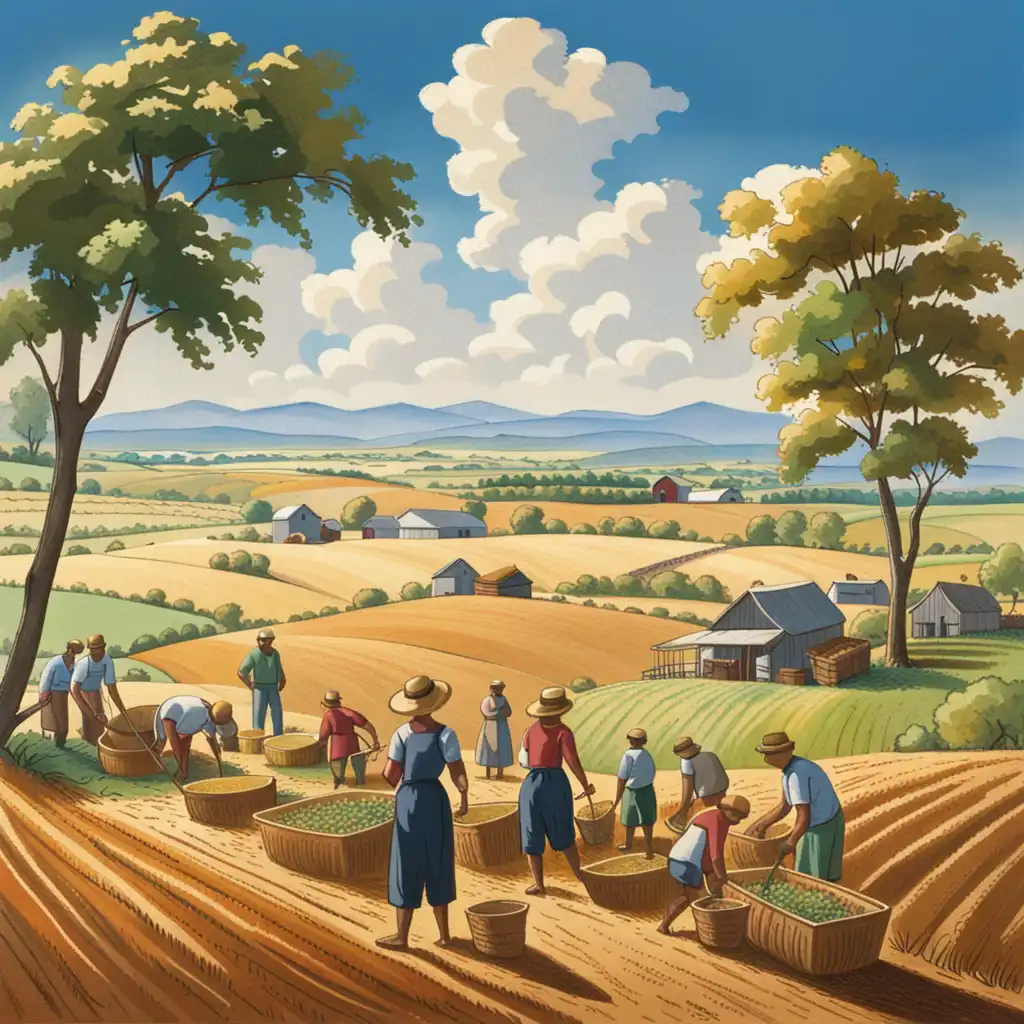
The part of a country's population made up of farmers and their families.
During the colonial period, most of the population belonged to the peasantry.
peasantry
ˈpezntri
Đang tải…
ˈpezntri
The part of a country's population made up of farmers and their families.
During the colonial period, most of the population belonged to the peasantry.
ˈpezntri
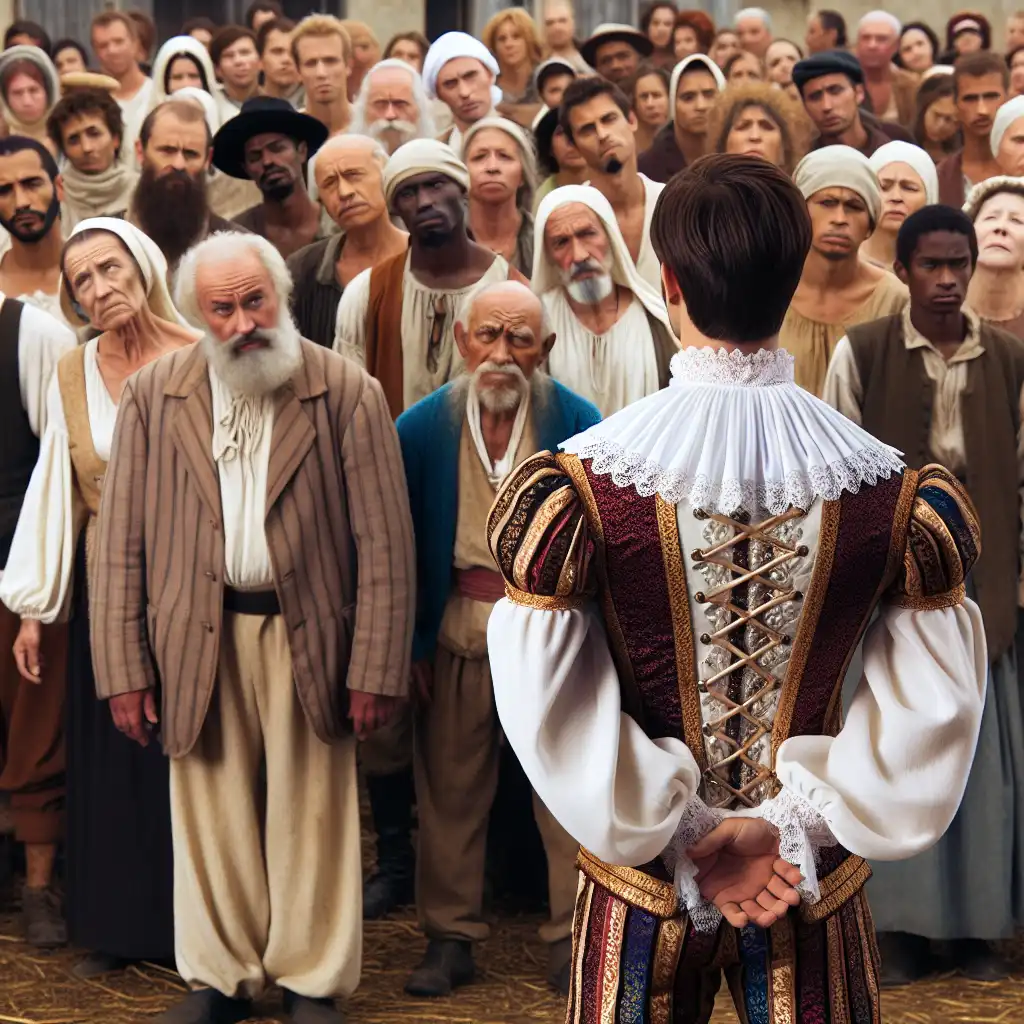
A disrespectful term to describe people who are not knowledgeable or cultured.
He dismissively referred to those who disagreed with him as the peasantry.
ˈpezntri
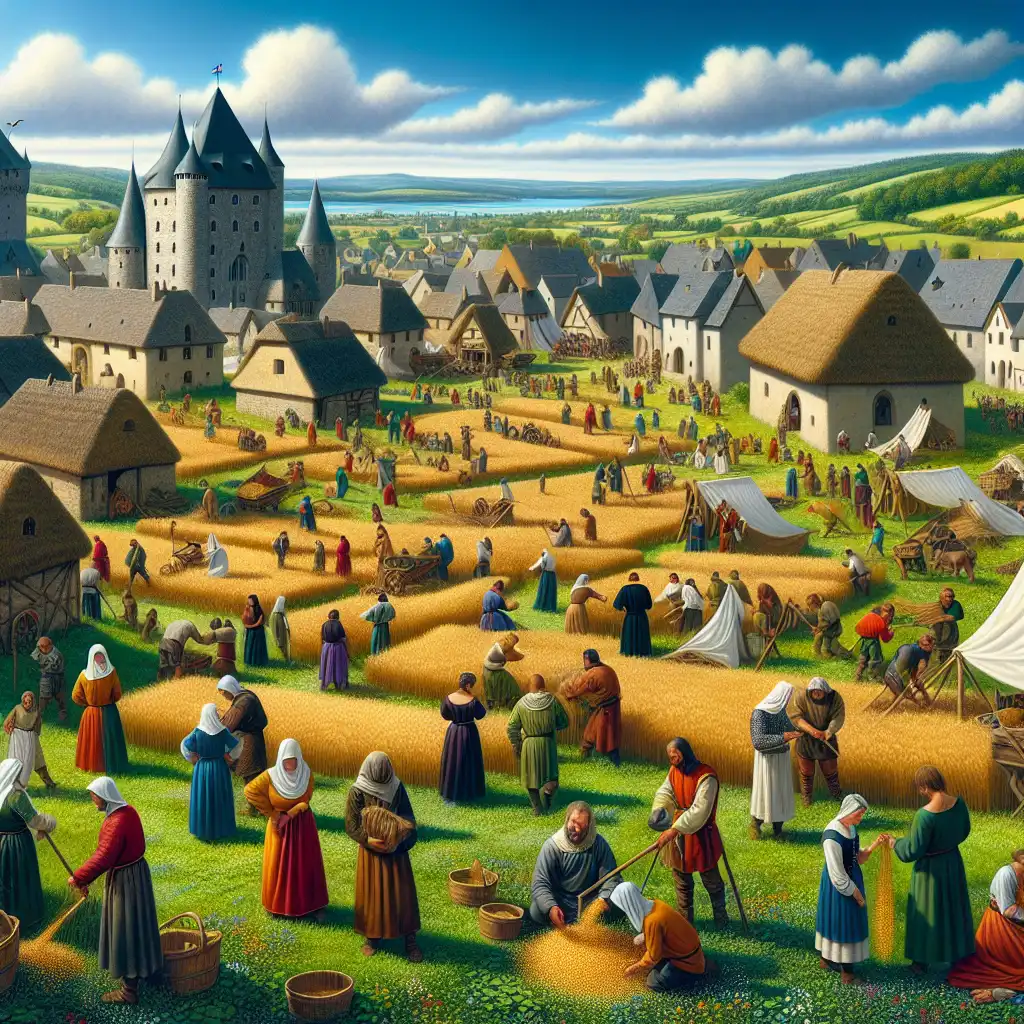
In history, the part of the feudal system made up of peasants.
In feudal times, the peasantry had to pay taxes to their lords.
Không tải được âm thanh. Vui lòng thử lại sau.
'Peasantry' refers to poor and uneducated people who live in the countryside and work in agriculture. It can be used to describe a group of people or a way of life. This word is typically used in history or literature to describe a particular time period or social structure. It's important to note that 'peasantry' is somewhat outdated and can be considered offensive if used in a derogatory way.
A farmer is a person who works on a farm, producing crops or raising animals for food or other products.
A peasantry refers to a social class of poor farmers who live in rural areas and work on small farms.
In simpler terms, a farmer is someone who owns and works on a farm, while the peasantry are farmers who work on smaller farms and may not own the land they cultivate.
The term farmer is more commonly used to describe a profession, while peasantry is more commonly used to describe a social class.
Mở từ: Farmer →Peasant refers to an individual who is a farmer or rural laborer. Peasantry refers to the entire group or class of peasants.
In other words, peasant describes one person, while peasantry describes a group of people with the same social and economic status, usually in a rural setting.
For example, if someone is talking about a specific farmer, they would use peasant. If they are talking about the social and economic conditions of the rural farming community, they would use peasantry.
Mở từ: Peasant →Proletarian refers to the social class of industrial workers who do not own the means of production and must sell their labor for wages.
In simpler terms, peasantry refers to rural farmers and proletarian refers to urban factory workers.
Mở từ: Proletarian →Serfs were a type of peasant who were tied to the land they worked on and who were essentially owned by the lord or noble who owned the land.
In other words, serfs were bound to work on their lord's land and could not leave without permission, while other peasants had more freedom to choose their work and living arrangements.
Peasantry is applicable in any society where agriculture is a significant part of the economy, while serfs were mostly found in feudal societies of medieval Europe.
Mở từ: Serf →The mysterious life and...
Xem trên YouTube ↗Penal law was not created by the common people, nor by the peasantry, nor by the proletariat, but entirely by the bourgeoisie as an important tactical weapon in this system of divisions which they wished to introduce.
The Missing Years of...
Xem trên YouTube ↗There can be no permanent disfranchised peasantry in the United States.
Life lessons from an ad...
Xem trên YouTube ↗Certainly in Catholic countries, the peasantry have always found ways to integrate pagan things in a way that makes it a little bit easier just to be a human being.
The Chinese countryside has become a slave labour camp and dumping ground for every imaginable pollutant. The rural peasantry is being sucked dry by corrupt government tax collectors.