soot
noun soot
sʊt
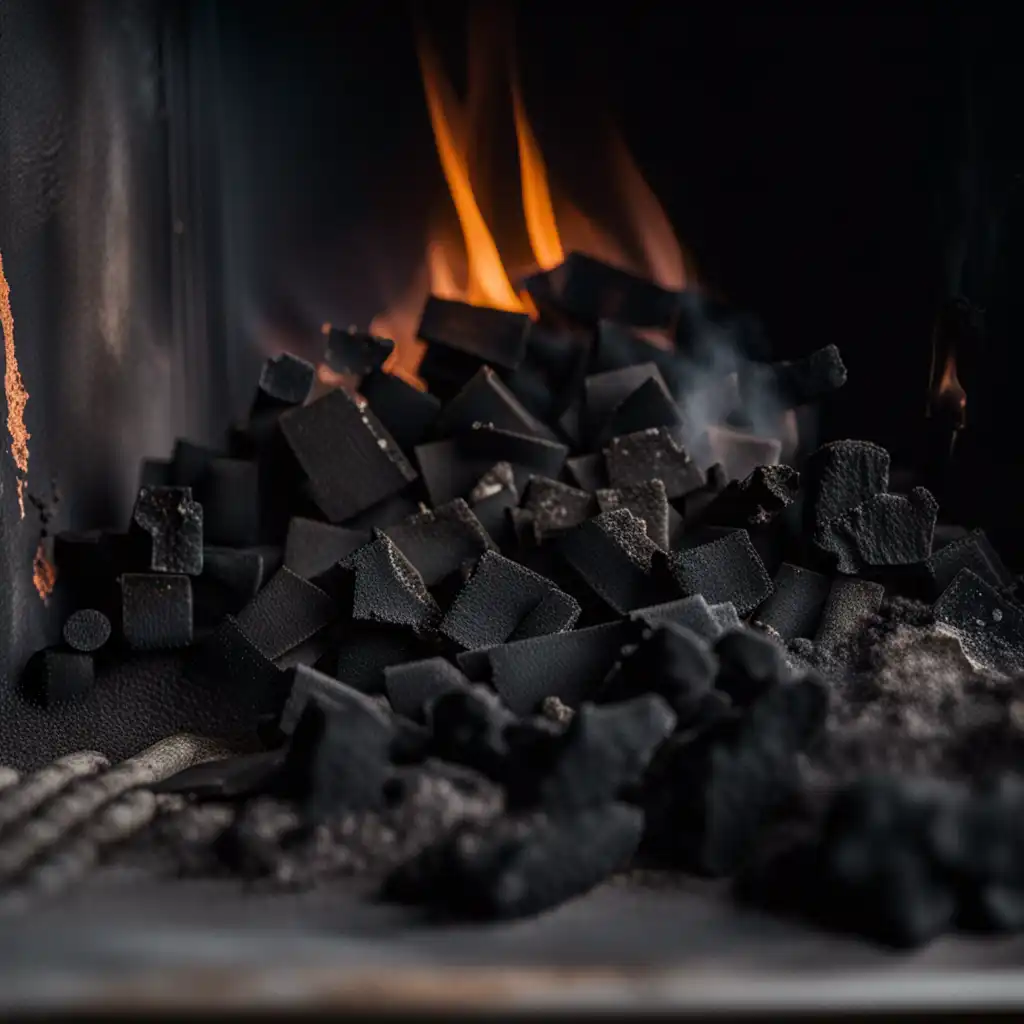
A black powder that is formed when something is burned
Clean the soot from the fireplace before lighting it.
soot
sʊt
Cargando…
sʊt
A black powder that is formed when something is burned
Clean the soot from the fireplace before lighting it.
sʊt
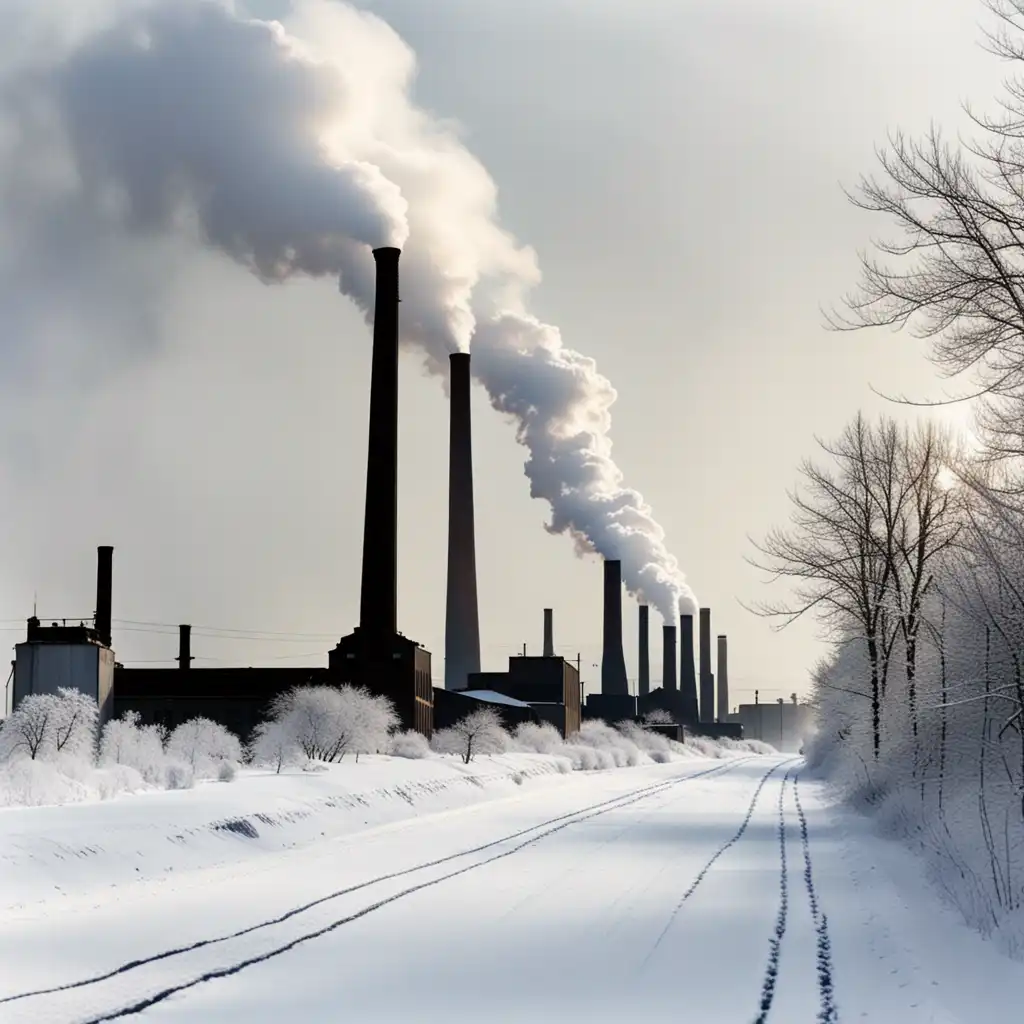
The black substance that comes out of a chimney when coal is burned
The white snow was darkened by soot from the factory chimneys.
No se pudo cargar el audio. Inténtalo de nuevo más tarde.
Soot is a type of black powder that appears when things like coal, wood, or oil are burned. It can be found in chimneys, fireplaces, and exhaust pipes. If you touch something covered in soot, your hands may become black. Soot can also make the air dirty and unhealthy to breathe.
Ash refers to the residue that remains when something is burned completely, while soot is the black, powdery substance that results from the incomplete burning of materials like coal or wood.
Ash tends to be grayish or white, while soot is usually black. Ash is commonly found after burning materials like paper, wood or leaves.
Abrir palabra: Ash →Carbon is a chemical element that is often found in nature, such as in diamonds, graphite, and coal.
Soot is a black, powdery substance that is formed when materials do not burn completely. It is mostly composed of carbon, but also contains other substances such as ash, tar, and oils.
Carbon is used in various industrial and technological applications, including in the production of steel, plastics, and electronics.
So, while carbon is a useful element, soot is a byproduct of incomplete combustion that can have negative consequences.
Abrir palabra: Carbon →Dirt is a general term used for any kind of loose or packed soil or earth, which is often found on the ground. Soot is a black, powdery or flaky substance that is left behind after burning coal, wood, or other fuels.
Dirt is a natural substance found on the ground, while soot is a man-made substance created by burning fossil fuels.
Dirt is applicable in gardening and construction, while soot is applicable in heating and manufacturing processes.
Abrir palabra: Dirt →Dust is made up of tiny particles of soil, sand, pollen, and other materials.
Dust is a general term for a variety of tiny particles, while soot specifically refers to the black particles that are left after burning something.
Abrir palabra: Dust →Filth refers to dirt, grime, or any other type of unpleasant material that soils or pollutes a surface or object. It is commonly used to describe something that is dirty, contaminated, or covered in unpleasant substances.
Both terms refer to forms of dirt or pollution, but filth is more general and can refer to any type of unpleasant material, while soot specifically refers to the black powder produced by combustion.
Abrir palabra: Filth →Grime and soot are both types of dirt and can be confusing to distinguish between, but there are some differences between them.
Grime is a type of dirt that is made up of a mixture of dust, dirt, and other contaminants that build up over time.
Grime is usually sticky and can be difficult to remove with ordinary cleaning methods.
Grime is a mixture of different types of dirt that accumulate over time, while soot is specifically made up of carbon particles produced by burning carbon-based fuels.
Grime is usually sticky and difficult to remove, while soot is often black or gray in color and can be easily wiped away.
Abrir palabra: Grime →Silt is a fine sediment made up of tiny particles that are carried by moving water and eventually settle on the bottom of rivers, lakes, and other bodies of water.
Silt is a sediment found in bodies of water caused by erosion, while soot is a black powder created when materials are burned.
Abrir palabra: Silt →Smut and soot are both words used to describe dirty substances.
However, smut usually refers to dirt or grime that comes from organic sources, such as smoke from a fire or grease from cooking.
Smut is usually associated with organic sources of dirt or grime, while soot is primarily associated with the byproducts of combustion.
Abrir palabra: Smut →and our power our gadgets around the clock. And for 40% of the world that fuel is cheap plentiful, and it's called coal. But coal also releases pollutants into the air, like sulfur dioxide, nitrogen oxides, soot, and toxic metals like mercury.
Ver en YouTube ↗Snow isn't just pretty. It also cleanses our world and our senses, not just of the soot and grime of a Fife mining town but also of a kind of weary familiarity, a taken-for-granted quality to which our eyes are all too susceptible.
deeper still the pressures grow so great that these chunks of soot are likely transformed into diamonds but even these
Ver en YouTube ↗We start out as sand and soot out there in the universe, and who knows, in 40 trillion years' time we might come back. But if we come back without memory, it doesn't really interest me.
from the soot of the dark satanic mills, the planners said hey let's move the housing away from the mills. And lifespans increased immediately dramatically, and we like to say the planners have been trying to repeat that experience ever since.
Ver en YouTube ↗The U.S. limits mercury, arsenic, and soot from power plants. Yet, astonishingly, there are no national limits on how much carbon pollution these plants can dump into our atmosphere.
fell back to earth many believe that billions of molten particles superheated the air to hundreds of degrees fire swept the planet choking the atmosphere with soot and dust the dinosaurs and most other
Ver en YouTube ↗I never went into the mine. But I saw my father and other men coming out, day after day, their faces and bodies covered in soot. It looked very hard and dangerous.
substance over the years he changed his mind he noticed that smoke appeared blue when it passed in front of the black soot inside his fireplace but when he went outside in the daylight and watched
Ver en YouTube ↗It's amazing what a bit of soot and shaving can do for muscle definition, honestly.
and the color of the light depends on the temperature of the molecules. The hottest flames are white or blue. The type of molecules in a fire can also influence flame color. For instance any unreacted carbon atoms from the logs form little clumps of soot that rise
Ver en YouTube ↗I was a bit of a late developer, and everyone was saying, 'Whatever you do, don't shave,' and I hadn't really started shaving. I remember rubbing the soot from a kettle on to my bumfluff to make it look more like I had a beard.
of a global nuclear war that leads to a nuclear winter, where soot from burning cities blocks out the sun for years, causing the crops that humanity depends on to fail. We haven't had a nuclear war yet,
Ver en YouTube ↗When we breathe it in, soot can interfere with our lungs and increase the risk of asthma attacks, lung cancer and even premature death. The smallest particles can pass into the blood stream and cause heart disease, stroke and reproductive complications.
So odds are our soot will still be here 66 million years from now, easy enough to find for any aliens who care to look. Of course there's an important difference between us and an asteroid. A space rock has no choice but to follow gravity. We can choose to do differently.
Ver en YouTube ↗Chicago always hit me as such a gloomy place - I just remember all the snow getting dirty as soon as it would fall, all the decaying brown brick buildings around where we lived, all this soot all over the place.
pollute in terms of particles and soot and noxious gases as much as all the cars in the world. And the good news is that people are now talking about sustainable shipping. There are interesting initiatives going on. But why has it taken so long?
Ver en YouTube ↗You don't want flame to hit your food. Flame is bad. Flame does nasty things to food. It makes soot and it makes deposits of various chemicals that are not too good for us. The last thing you really want to see licking at your food while it's on a grill is an actual flame.
detect an extraordinary number of things we can see the calcium from world's deserts soot from distant wildfires methane is an indicator the strength of Pacific monsoon all wafted on winds from warmer latitudes to this remote from
Ver en YouTube ↗Had I been in Toronto, I would certainly have been killed in this attack. In the room where I normally sleep, the flames and the smoke and the soot is such that the gases would have killed me.