scavenge
verb scavenge
ˈskævɪndʒ
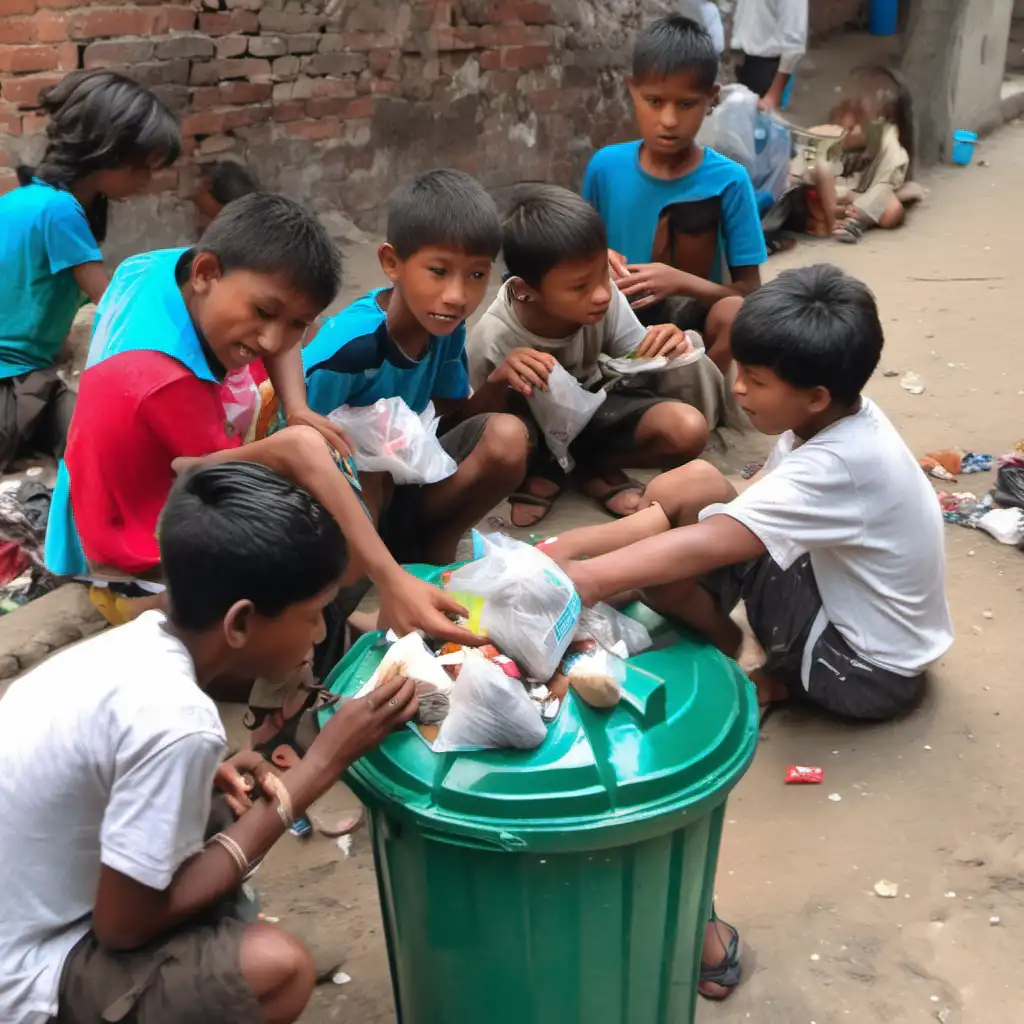
To search through waste to find items that can be used or sold
Street children scavenge for food in the rubbish bins
scavenge
ˈskævɪndʒ
लोड हो रहा है…
ˈskævɪndʒ
To search through waste to find items that can be used or sold
Street children scavenge for food in the rubbish bins

ˈskævɪndʒ
To remove decaying matter or waste from a place
Vultures scavenge the desert, eating the remains of dead animals
ˈskævɪndʒ
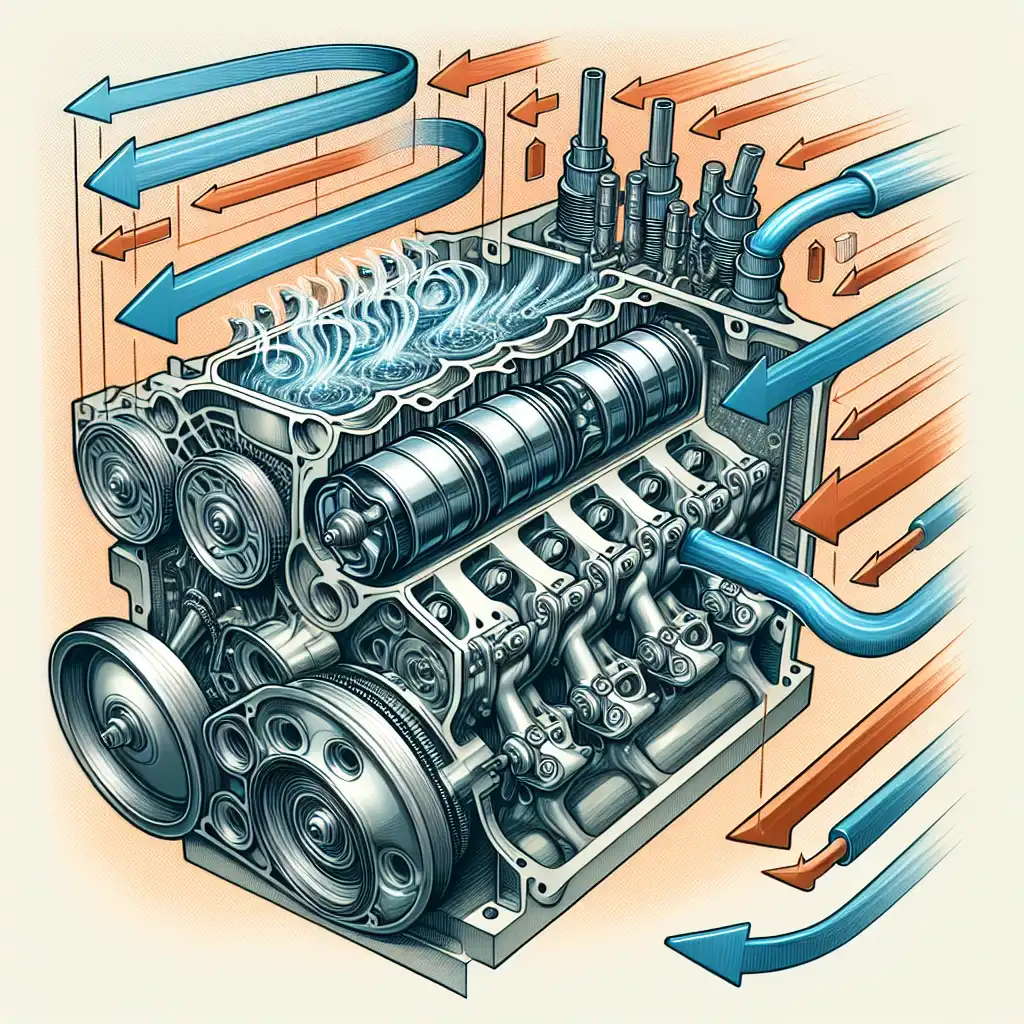
In engines, to remove exhaust gases or unburned fuel from the cylinder
This system scavenges the exhaust gases from the cylinders of an internal-combustion engine

ˈskævɪndʒ
Collect things that are discarded and considered to be of no value
She scavenged the items from the neighbor's trash
ऑडियो लोड नहीं हो सका। कृपया बाद में फिर कोशिश करें।
The word "scavenge" is typically used to describe the act of searching through waste or discarded items in order to find food, materials or anything of value. It can also refer to the act of searching for and collecting resources after a natural disaster or in other emergency situations. For example, animals might scavenge for food in a landfill or a person might scavenge for building materials during a post-hurricane cleanup effort.
Collecting is the act of gathering things that are valuable or important to us. We collect stamps, coins, books, and other things that we consider special.
Therefore, collecting usually involves collecting things that we find valuable, whereas scavenging usually involves finding useful items that are discarded by others.
Collecting is done for personal pleasure or self-expression, while scavenging is done for practical reasons, such as survival or resourcefulness.
शब्द खोलें: Collect →Comb refers to the action of untangling or arranging hair, or to search thoroughly for something.
For example, "I need to comb my hair before we go out," or "I'm combing through my notes to find the answer."
Comb is used for untangling hair or searching through a collection, while scavenge is used for searching through refuse or foraging for food.
शब्द खोलें: Comb →Dig means to break up and move earth, soil, or other materials using a tool or your hands. It is applicable when you are trying to create a hole, trench, or excavation.
शब्द खोलें: Dig →The main difference between forage and scavenge is their purpose.
Forage means to search for food or provisions. For example, animals in the wild forage for food by searching for edible plants or catching prey.
Humans can also forage for food by picking fruits or vegetables from gardens or gathering ingredients for a meal from the grocery store.
In summary, foraging is about finding food and supplies that are naturally available, while scavenging is about finding things that have been discarded or rejected.
शब्द खोलें: Forage →Hunt refers to an activity in which a person or an animal goes out to catch or kill a specific type of prey, such as a deer or a rabbit.
Both of these words can be used for both humans and animals. Hunting is common among predators like lions or wolves, while scavenging tends to be seen in animals with more flexible diets like raccoons or vultures.
For humans, hunting is more likely to be a recreational activity, while scavenging is more likely to be a survival tactic in emergency situations.
शब्द खोलें: Hunt →Rummage and scavenge both have to do with searching through things to find something, but the key difference is in the context.
Rummage usually refers to a search through a specific stash or pile of items, usually one's own possessions. For example, you might rummage through your messy closet to find your favorite sweater.
To sum up: rummage is more specific to one's own belongings, while scavenge is a broader search for useful or valuable things in potentially unpleasant places.
शब्द खोलें: Rummage →Search often implies looking for something specific or with a defined goal in mind, while scavenge suggests more of a random or opportunistic search for things that might be useful or valuable.
For example, you might search for your keys when you know you've lost them, but you might scavenge for materials to build a fort in the woods without any specific plan in mind.
Essentially, searching tends to involve a more targeted approach and scavenging a more creative, exploratory one.
शब्द खोलें: Search →Scavenge means to search through waste or discarded material for useful items, whereas sift means to separate or sort through materials to find what is needed.
Scavenging is typically applicable in situations where resources are limited and individuals must make use of what is available, while sifting is often employed in more controlled environments where specific items need to be located or separated from a larger mix of materials.
शब्द खोलें: Sift →Top 5 Killer Crocodile...
YouTube पर देखें ↗Hybridity keeps me from being rigid about most things. It has taught me to appreciate the contradictions in the world and in my life. I scavenge from the best.
Deep Sea Shark Stakeout...
YouTube पर देखें ↗Wolves are afraid of humans, whereas dogs are not. Wolves hunt game, whereas dogs scavenge human leftovers or eat what their human companions put out for dinner. Wolves are not great at following human commands, whereas dogs are brilliant at it.
How vultures can help...
YouTube पर देखें ↗If a group of humans began to run regularly, perhaps allowing them to hunt or scavenge more effectively, anatomical changes would follow, especially among the still-developing youngsters.
How to rebuild the world...
YouTube पर देखें ↗I have seen what the days of tribulation can do to people. I have seen hunger stalk the streets of Europe. I have witnessed the appalling, emaciated shadows of human figures. I have seen women and children scavenge army garbage dumps for scraps of food. Those scenes and nameless faces cannot be erased from my memory.
Hippo Fights Crocodiles...
YouTube पर देखें ↗Greatest Fights In The...
YouTube पर देखें ↗Dead Whale Carcass Feast...
YouTube पर देखें ↗Top 5 Most Dangerous...
YouTube पर देखें ↗Safari Live - Day 325 %\PIPE%...
YouTube पर देखें ↗Exclusive: Matt Damon...
YouTube पर देखें ↗