friable
adjective friable
ˈfraɪəbl
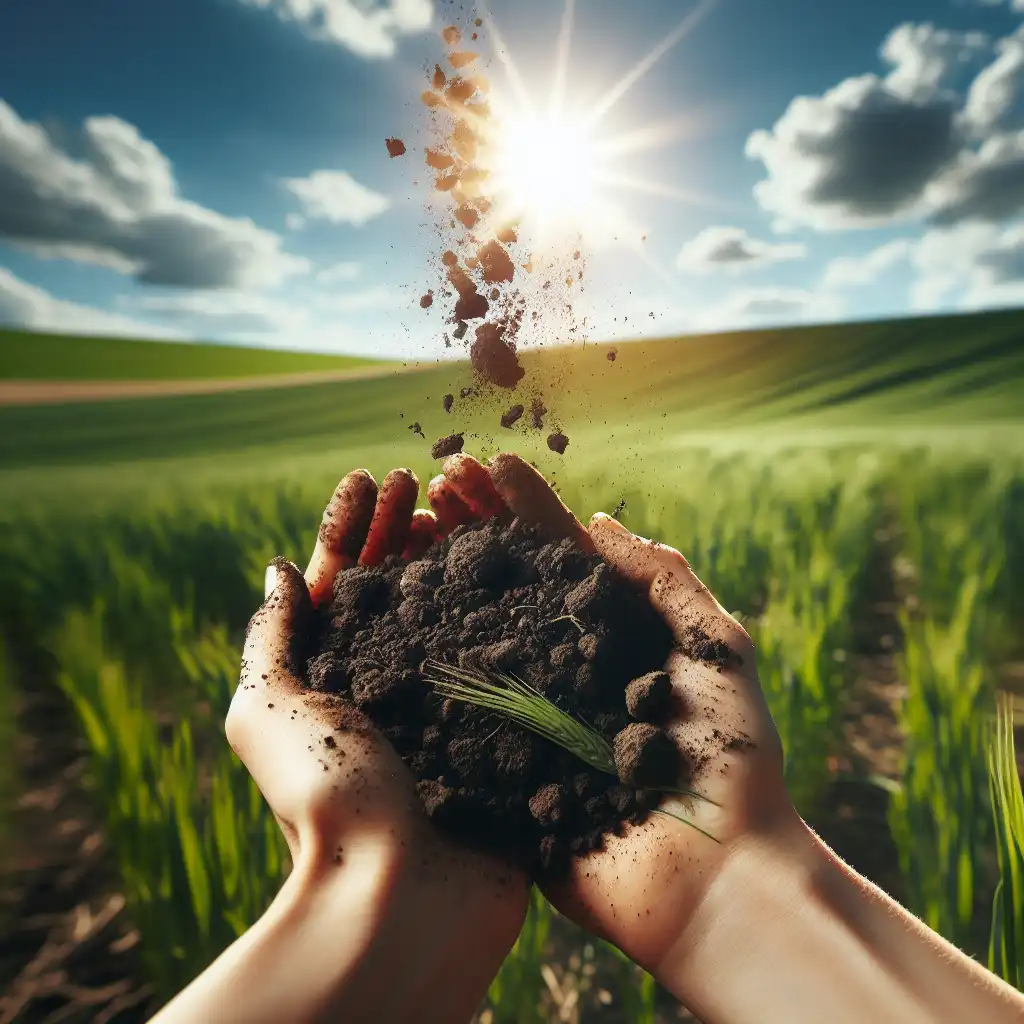
Easy to crumble or break into small pieces
The soil was very friable, easily crumbling when touched.
friable
ˈfraɪəbl
Cargando…
ˈfraɪəbl
Easy to crumble or break into small pieces
The soil was very friable, easily crumbling when touched.

ˈfraɪəbl
Describes a medical condition where tissues or tumors easily break apart
The patient had a friable tumor which was broken during surgery.
ˈfraɪəbl
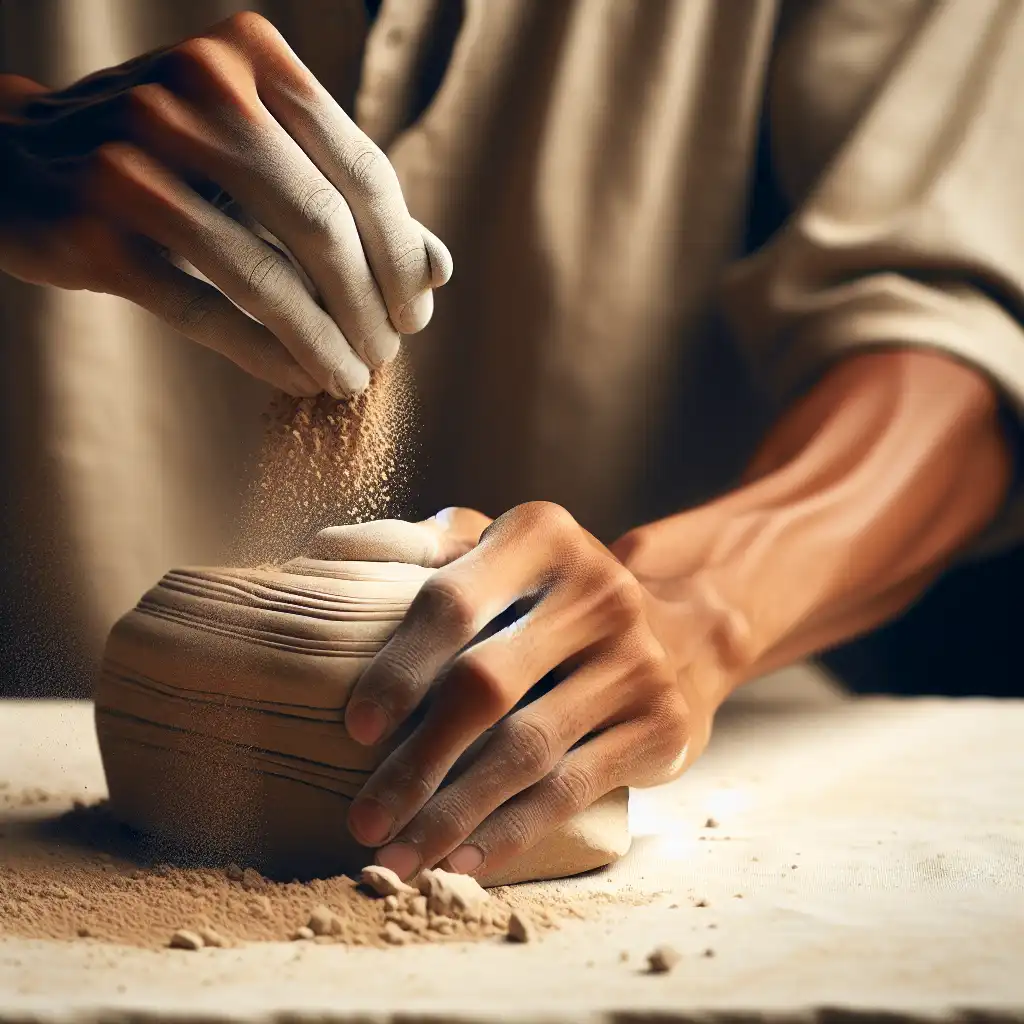
Refers to rock or mineral that crumbles easily
The friable sandstone can be shaped and worked on with ease.
No se pudo cargar el audio. Inténtalo de nuevo más tarde.
The word 'friable' refers to something that is easily crumbled or broken. It is often used to describe substances that are dry and brittle, such as old paint or soil. It can also be used in medical contexts to describe tissues that are easily broken apart, such as tumors. When using the word 'friable,' it's important to remember that it describes something that is fragile and prone to crumbling or breaking.
Brittle is used when something is hard and breaks easily into small pieces or crumbs. For example, a stale biscuit or a piece of glass can be described as brittle.
So, in simple terms, brittle means breaking easily into small pieces while friable means breaking into even smaller pieces that are softer and crumbly.
Abrir palabra: Brittle →Both crumbly and friable are used to describe something that breaks apart easily, but there is a subtle difference in their meanings.
Crumbly refers to something that is likely to break into small crumbs or fragments. For example, a dry piece of cake might be crumbly as it breaks easily into small crumbs.
Friable describes something that is easily crumbled or powdered, but with less force or pressure than crumbly. For example, a rock that can be turned into powder with just a little bit of pressure can be described as friable.
Crumbly is used for things that readily break up into fragments or small pieces, while friable is reserved for things that break up into finer powders or particles.
Abrir palabra: Crumbly →Delicate and friable are similar in that they both describe something that is easily broken or damaged.
However, delicate usually implies something that is fragile and needs to be handled with care, such as fine china or a delicate flower.
Delicate refers to things that need gentle handling, while friable describes things that are prone to crumbling or breaking apart.
Abrir palabra: Delicate →Flaky refers to something that is breaking apart in thin, flat pieces due to skin, paint or surface irregularities.
Abrir palabra: Flaky →Fragile means something that is easily broken or damaged, usually by a small amount of force or pressure. It is applicable to objects such as glass, ceramics or delicate electronic equipment.
Fragile refers to things that can easily be broken or damaged by light pressure, while friable refers to things that crumble or break into smaller pieces when touched or rubbed.
Abrir palabra: Fragile →Powdery refers to a material that has a fine texture like powder. This term is often used to describe substances like flour, sugar, or other similar products that are finely ground.
Friable describes something that is easily crumbled or broken apart, while powdery describes something that is finely textured like powder.
Abrir palabra: Powdery →Dino Footprints %\PIPE%...
Ver en YouTube ↗We are accustomed in England to chalk in rolling downs, except where bitten into by the sea, but elsewhere it is riven and presents cliffs, and these cliffs are not at all like that of Shakespeare at Dover but overhang, where hard beds alternate with others that are friable.
Friable isn't often used of food, yet its meaning lends itself perfectly to pastry and crumbly biscuits.