tack
noun tack
tæk
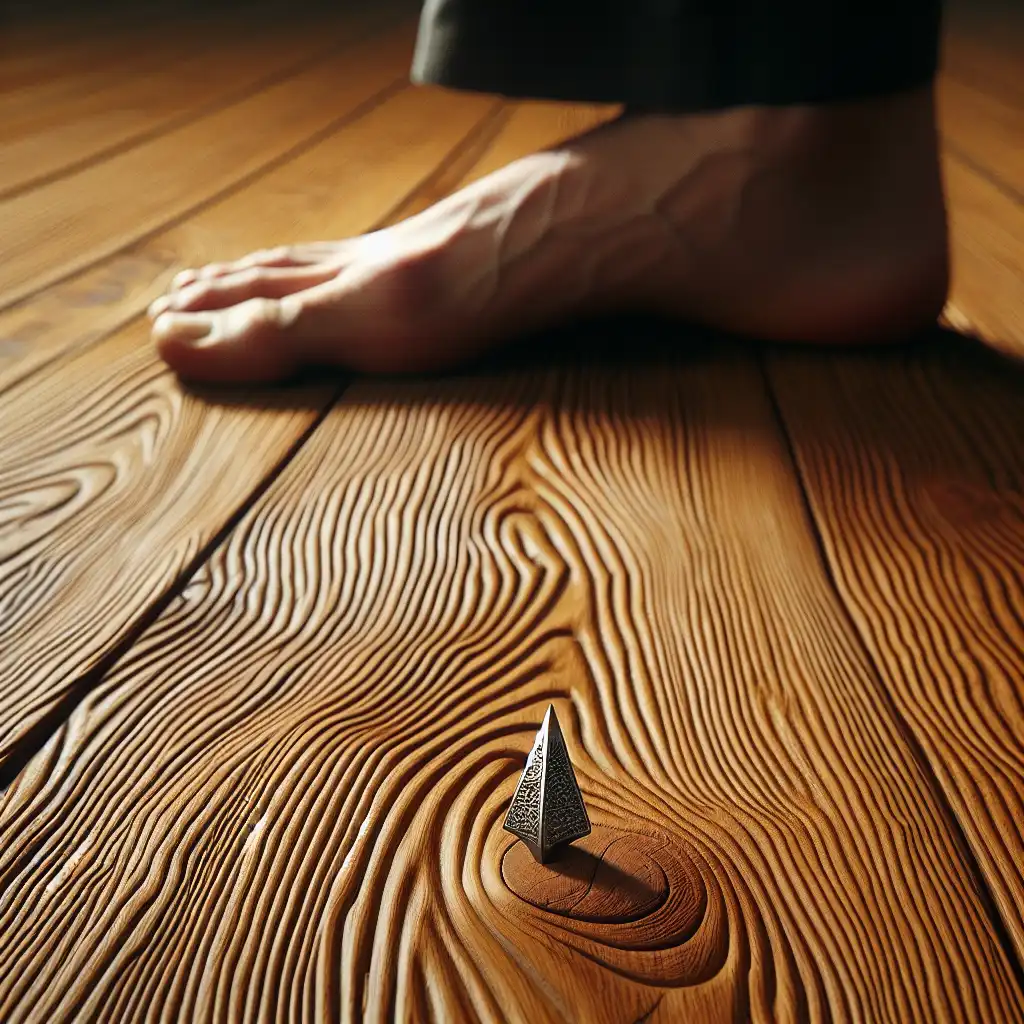
A short, sharp-pointed nail, often with a flat, broad head.
She stepped on a tiny tack that was left on the floor.
tack
tæk
読み込み中…
tæk
A short, sharp-pointed nail, often with a flat, broad head.
She stepped on a tiny tack that was left on the floor.

tæk
Approach or strategy towards a task or problem.
He took a different tack and approached the problem from a new angle.

tæk
A course or direction followed by a ship, aircraft, or vehicle.
The tack of the ship was adjusted to avoid the storm.
tæk
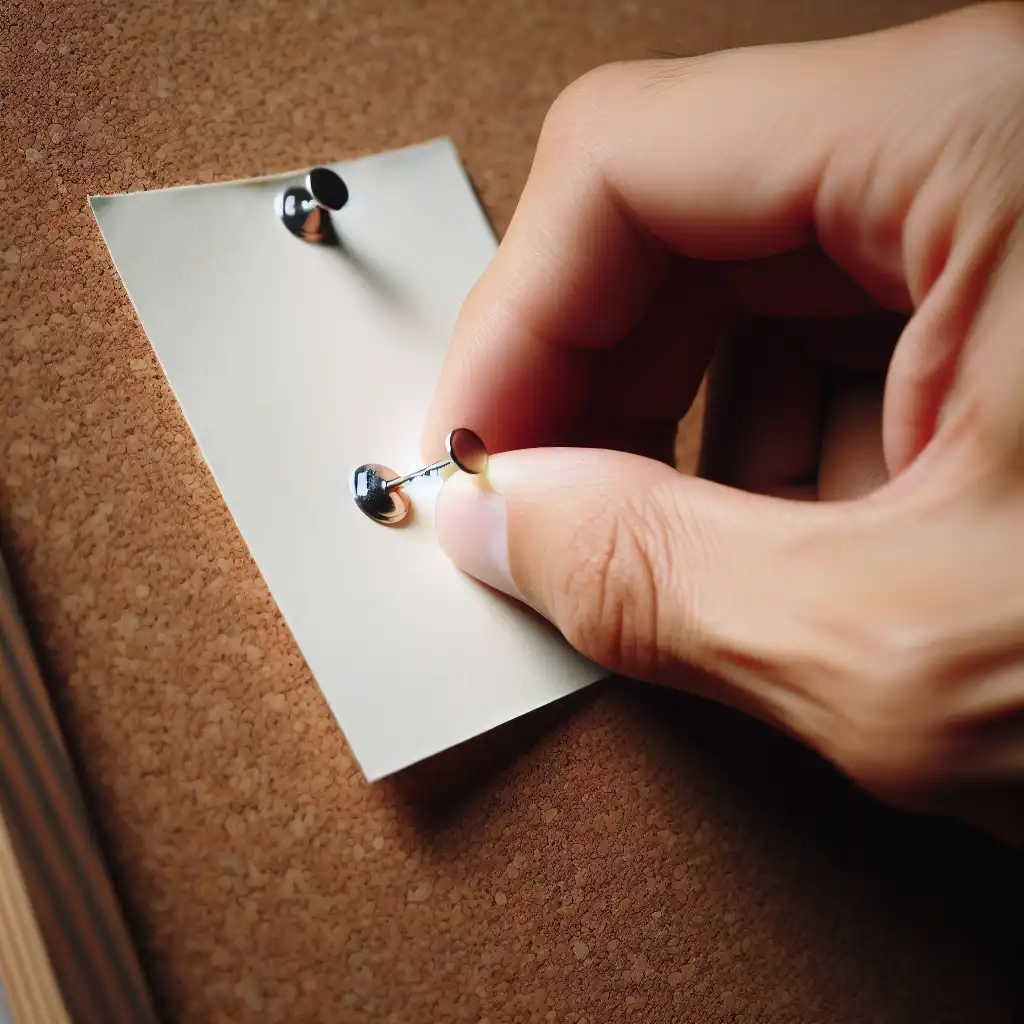
Attach or fasten with a tack or tacks.
She tacked a notice on the bulletin board.

tæk
Navigate a vessel diagonally across the direction of a flowing or blowing entity.
The sailor had to tack upwind to reach the desired destination.
音声を読み込めませんでした。しばらくしてからもう一度お試しください。
The word 'tack' can have different meanings depending on the context it is used in. In general, 'tack' can be used as a verb or a noun.As a verb, 'tack' means to change direction while moving forward. For example, if you are walking and suddenly turn to the right, you are tacking. In sailing, tacking is a technique used to change the direction of the boat by turning the bow through the wind.As a noun, 'tack' refers to a small nail with a flat head. It can also refer to the equipment used in horse riding, such as a saddle, bridle, and reins.In summary, 'tack' can mean changing direction while moving forward or a small nail with a flat head. It can also refer to equipment used in horse riding. The context in which it is used is important in understanding the meaning.
Basting and tacking are two sewing techniques used to temporarily hold fabric in place before final stitching.
Basting involves using long, loose stitches to temporarily hold pieces of fabric together. This technique is helpful when working with delicate fabrics or when sewing pieces that need to be adjusted before final stitching.
Basting stitches are typically removed once the final stitching is complete.
In summary, basting is used to temporarily hold fabric together for adjustment or ease of stitching, while tacking is used to permanently secure areas of high stress.
単語を開く: Baste →Hem refers to the act of sewing the edge of a piece of fabric, often to prevent it from fraying. This is applicable when creating clothing or other textiles.
Hem is a permanent stitch used to finish the edge of fabric, while tack is a temporary stitch used to hold fabric in place during the sewing process.
単語を開く: Hem →Both jibe and tack are sailing terms that typically refer to a change in direction.
Jibe: This term refers to turning a sailboat so that the sail switches sides from one side of the boat to the other. This move is usually done when sailing downwind or with the wind coming from behind the boat.
Jibe means turning the sailboat to go with the wind and tack means turning the sailboat to go against the wind.
単語を開く: Jibe →Rig refers to the entire system of ropes, chains, and sails that hold up a ship's mast and help it move. Rig is applicable for larger boats and ships.
Rig refers to the equipment on a ship, while tack refers to the direction in which a ship is moving.
単語を開く: Rig →Sail refers to a piece of fabric that catches wind and propels a boat forward. Tack refers to a change in direction of the boat while sailing, achieved by turning the front edge of the sail into the wind.
Sail is the thing that makes a boat move by catching the wind, while tack is the action taken to change the direction of the boat by adjusting the angle of the sail when sailing against the wind.
Typically, sail is applicable whenever a boat needs to move forward, while tack is applicable when the boat needs to change direction, especially when sailing against the wind.
単語を開く: Sail →A seam is where two pieces of fabric are sewn together to create a joint. Seams are typically used to create clothing or other textile items, like pillows or curtains.
The purpose of a seam is to connect two pieces of fabric together securely so that they don't come apart.
Seams can be sewn using different types of stitches, depending on the fabric and the intended use of the finished product.
A seam is a permanent stitch that joins two pieces of fabric together, while a tack is a temporary stitch that holds fabric in place temporarily.
単語を開く: Seam →Sheet refers to a rope or line that is used to control the angle of a sail.
単語を開く: Sheet →Stitch refers to a complete and permanent sewing of two pieces of fabric together, using a needle and thread. Stitches are usually close together and continuous.
A tack is a quick stitch or a staple that holds the fabric in place until the final sewing is done. Tacking is mostly used in tailoring, where the tailor needs to adjust the fit of a garment temporarily.
Once the fitting is perfect, the tailor will use permanent stitches or seams to secure the fabric together.
A stitch is a complete and permanent sewing, while a tack is a temporary sewing that helps to keep the fabric in place until the final sewing is done.
単語を開く: Stitch →Those splinters and tacks feel real, they hurt your own feet and your own heart, but the mother is describing her life here, not her actual house. And hunger and cold exhausting work and poverty are what's also inside those splinters.
YouTube で見る ↗I haven't met a horse I didn't love. I love caring for them, cleaning them. I love doing my own tack and giving them treats.
the deep cover allows her to move faster than usual she changes tack her best weapon is surprise she could be anywhere
YouTube で見る ↗When you pay a hospital bill, you're really paying two hospital bills - one bill for you because you have a job and/or insurance and can pay the hospital. and another bill, which is tacked onto your bill, to cover the medical expenses of someone who doesn't have a job and/or insurance and can't pay the hospital.
Twenty percent of kids do not have those relationships. They are what we call avoidantly attached. They have trouble relating to other people. They go through life like sailboats tacking into the wind -- wanting to get close to people,
YouTube で見る ↗I can't ever remember being struck by lightning when making a big decision. It's always about taking in more and more data points and making tack adjustments as you figure it out. I call customers, suppliers, industry analysts and try to get as much information as possible.
get there I'm going to donate all my tack and all my ponies to heroes and horses so I believe this program is amazing and it's going to help a lot of veterans
YouTube で見る ↗I like poems you can tack all over with a hammer and there are no hollow places.
worldwide now let me show you all these foot scanner actually works okay so I'm going to tack the cake here I'm not going to eat it and just going to make
YouTube で見る ↗Often when I talk about what I do, making isn't just this inevitable function tacked on at the end.
behind the deep cover allows her to move faster than usual she changes tack her best weapon
YouTube で見る ↗We tried our best to work with the school and with the other families in the school system, and we did a gradual transition. I started transitioning when I was in first grade, and every year we kind of tacked a new thing on to it.
that people inherit and that people develop. So the Obama administration has taken a different tack on drug policy. We've developed and implemented a comprehensive plan to expand prevention services treatment services, early intervention and recovery support.
YouTube で見る ↗I have these huge black foam boards on the wall, and tacked to them, I have these white punch cards with my story ideas, scenes and notes.
yourself some corporate Psychopaths so I gave it a try wrote to the Enron people I said could I covered it for you in prison to find out if your Psychopaths they didn't reply so I changed tack I
YouTube で見る ↗I often come across a script I would like to do, but when it comes down to brass tacks I find the producer won't allow enough practice time.
And then tacked on at the end of it are about 15 years for retirement. And I thought it might be helpful to basically cut off five of those retirement years and intersperse them in between those working years.
YouTube で見る ↗My thing has always been to change tack, do something that challenges me.
So in the lab I've been creating art as a way to help me design better experiences for bleeding-edge technology. And it's been serving as a catalyst to beef up the more human ways that computers can relate to us. Through art we're tacking some of the hardest questions, like what does it really mean to feel?
YouTube で見る ↗My entire philosophy of teaching is based on the notion that when an artist finds a certain process really effortless, that's probably what he or she should choose to do. So often, students take the opposite tack; they have no use for the skills that come easily to them.