
natal
adjective natal
ˈneɪtl
Related to the time or place of a person's birth
She returned to her natal home after many years.
natal
ˈneɪtl
Cargando…
ˈneɪtl
Related to the time or place of a person's birth
She returned to her natal home after many years.

ˈneɪtl
Related to birth
The natal period of a human can be very challenging.
ˈneɪtl
Originating from a specific place
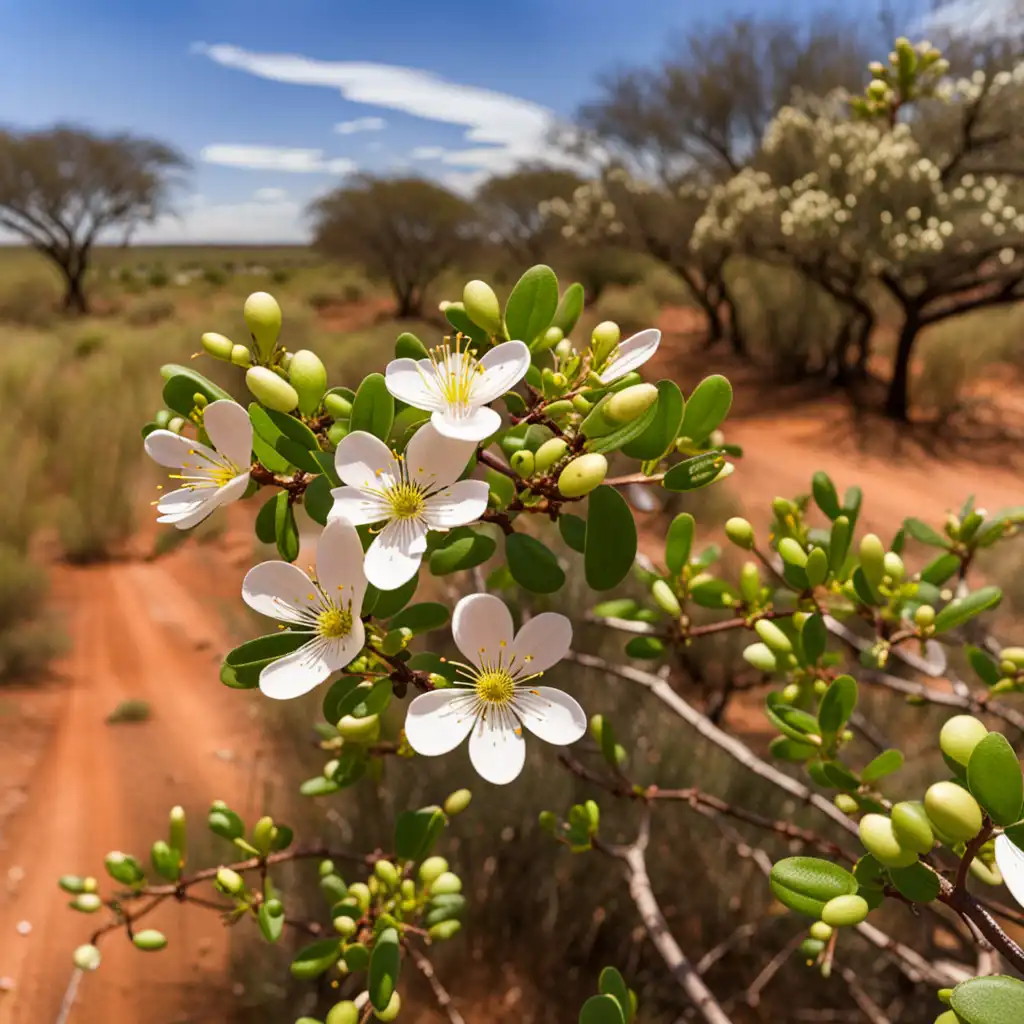
Natal plum is a plant native to South Africa.
No se pudo cargar el audio. Inténtalo de nuevo más tarde.
The word 'natal' refers to something related to birth or the time when someone is born. It can be used to describe a person's birthplace, their natal city or country. It can also be used in biology to describe the birth of animals or plants. For example, scientists may study the natal habits of a certain species to understand their behavior. It is not a commonly used word in everyday conversation but may be used in more formal or academic contexts.
The term congenital refers to something that is present at birth and is usually due to genetic factors or abnormal development during pregnancy.
For example, a person may be born with a congenital heart defect or a congenital condition like Down syndrome.
Congenital refers to something that is present at birth due to genetic or developmental factors, whereas natal refers to things that surround the time of birth.
Abrir palabra: Congenital →Inborn refers to something that is naturally present in a person since birth.
It can refer to physical or non-physical characteristics such as temperament or talent. For example, a person may have an inborn talent for music, meaning they were born with the ability to play an instrument or sing.
Inborn refers to something innate to a person while natal refers to something related to the time of birth.
Abrir palabra: Inborn →Indigenous refers to something or someone that is native to a particular place or region. For example, indigenous people are those who have lived in a certain place for thousands of years and have a unique culture and way of life that is closely tied to that place.
Indigenous describes something or someone that is native to a place, whereas natal describes the place of someone or something's birth.
Abrir palabra: Indigenous →Innate refers to qualities or abilities that are present from birth or natural to an individual. It is applicable when describing something that is an inherent part of a person or organism.
Innate describes qualities that are inherent in someone, while natal describes events or characteristics related to someone's birth.
Abrir palabra: Innate →Local refers to something that is related to a specific place or nearby. For example, a local restaurant or a local park.
In simpler terms, local describes a location while natal describes the place of birth or origin of something.
Abrir palabra: Local →Native refers to someone or something that is native or indigenous to a particular place. For example, "the native birds of Australia" describes birds that are originally from Australia.
Natal is about where someone was born, while native is about belonging to a particular place.
Abrir palabra: Native →Natural refers to something that is occurring in nature, or that occurs without human intervention. For example, a natural resource like wood or water is something that is found in the environment without humans making it.
Natal is used more specifically to describe events or things related to birth or the time around it, while natural is used more broadly to describe things that occur in nature or without human intervention.
Abrir palabra: Natural →Natal refers to something related to birth or the place of someone's birth, while original refers to something that is unique and not a copy or imitation.
An "original painting" refers to a painting that is one-of-a-kind, created by the artist without being copied or imitated.
Natal is applicable when discussing birth or the place of one's birth, while original is applicable when discussing something unique and not copied or imitated.
Abrir palabra: Original →Why the Dinosaurs’...
Ver en YouTube ↗Thomas More's birth was noted by his father upon a blank page at the back of a copy of Geoffrey of Monmouth's 'Historia Regum Britanniae'; for a lawyer John More was remarkably inexact in his references to that natal year, and the date has been moved from 1477 to 1478 and back again.
Why lakes and rivers...
Ver en YouTube ↗Genius Meerkats Solve...
Ver en YouTube ↗Safari Live - Day 35 %\PIPE%...
Ver en YouTube ↗Franco Sacchi: Welcome...
Ver en YouTube ↗Safari Live - Day 356 %\PIPE%...
Ver en YouTube ↗Safari Live - Day 242 %\PIPE%...
Ver en YouTube ↗Safari Live - Day 170 %\PIPE%...
Ver en YouTube ↗Meet the Heroes Who...
Ver en YouTube ↗Safari Live - Day 261 %\PIPE%...
Ver en YouTube ↗