rabble
noun rabble
ˈræbl
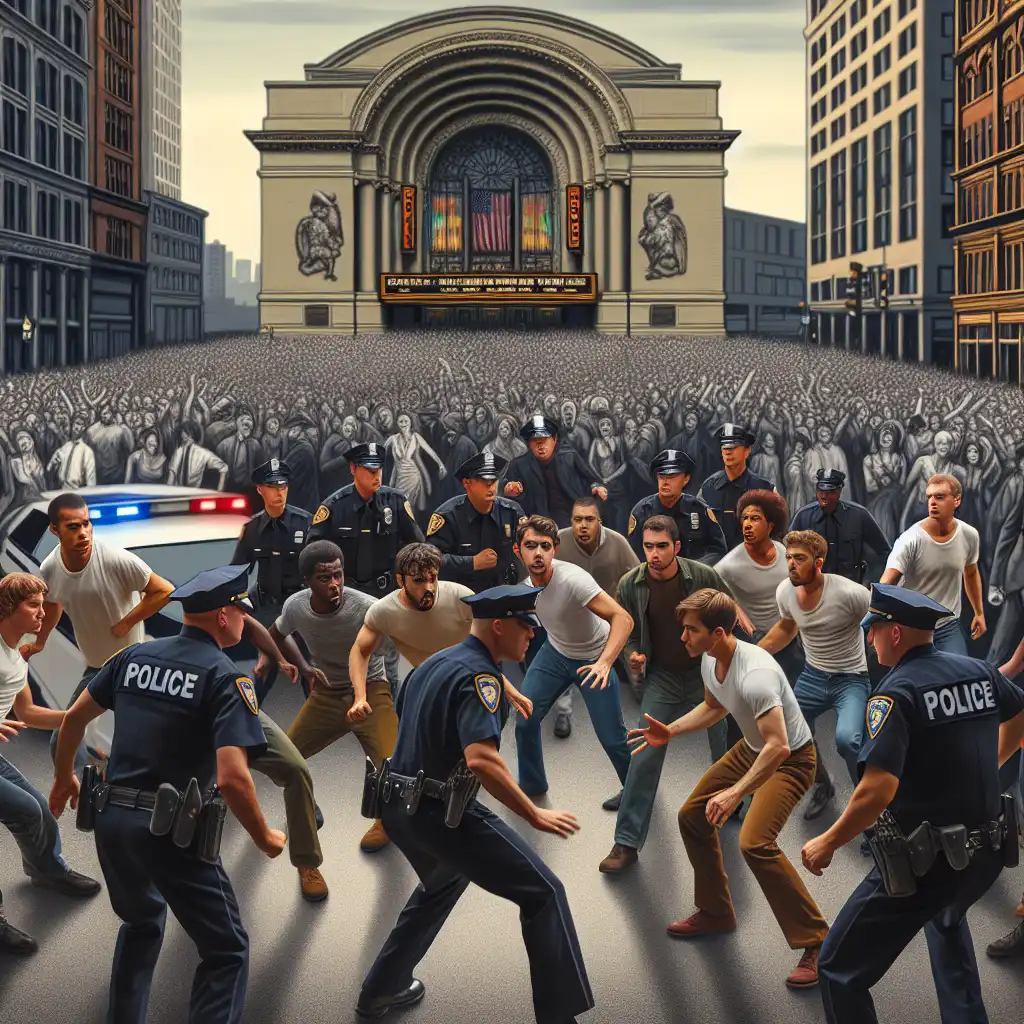
A large, noisy, uncontrolled group, especially of people behaving badly
The police had to control the rabble outside the concert hall who were causing havoc.
rabble
ˈræbl
読み込み中…
ˈræbl
A large, noisy, uncontrolled group, especially of people behaving badly
The police had to control the rabble outside the concert hall who were causing havoc.
ˈræbl
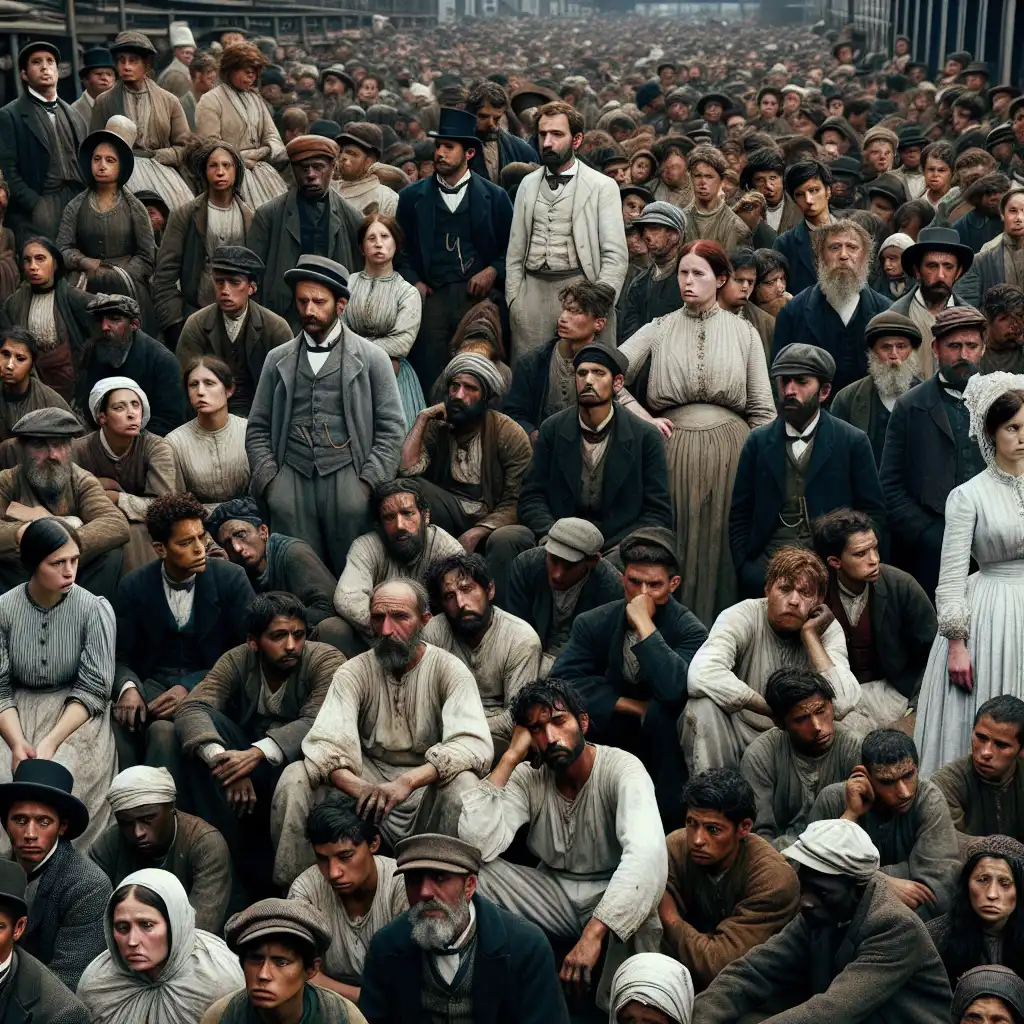
Ordinary people in general, especially when regarded as socially inferior
The upper class thought of the workers as nothing more than the rabble.

ˈræbl
A tool consisting of a large bar with a hooked end, used in a smelting furnace
The metalworker used the rabble to stir the molten metal inside the furnace.
音声を読み込めませんでした。しばらくしてからもう一度お試しください。
The word "rabble" is used to describe a group of people who are noisy, disobedient, and poorly behaved. It can also be used to refer to a disorganized or unruly crowd. This word is often used in a negative way to criticize the behavior of a group of people, particularly when they are being unruly or disorderly. For example, "The concert turned into a rabble as people started pushing and shoving to get closer to the stage." It is important to note that this word is considered somewhat archaic and may not be commonly used in modern English.
Both crowd and rabble refer to a large number of people gathered together.
However, crowd typically has a more neutral or positive connotation, whereas rabble carries a more negative connotation.
A crowd can refer to a group of people gathered for a specific purpose, such as attending a concert or sporting event, while rabble often refers to a disorderly or unruly group of people.
Crowd can describe any large group of people, while rabble is often used to describe a group seen as unpleasant or troublemaking.
単語を開く: Crowd →Both gang and rabble refer to a group of people, but there's a slight difference in meaning.
A gang usually refers to a group of people who have a specific purpose or identity, such as a group of friends who hang out together, a group of criminals who work together, or a group of bikers who ride together.
A gang is a group of people with a specific purpose, while rabble implies a disorganized or unruly group.
単語を開く: Gang →Horde usually refers to a large and organized group of people or things with a specific purpose, while rabble implies a disorderly and unorganized group of people with no clear aim or purpose.
For example, a group of soldiers marching in unison could be described as a horde, while a disorganized crowd of protesters could be considered a rabble.
Horde carries a more neutral or even positive connotation, while rabble is often used in a negative or derogatory manner.
単語を開く: Horde →Mass refers to a large group of people who have come together for a specific purpose, such as a concert or a protest.
It is a neutral word that can be used in both positive and negative contexts. For example, one might say "the mass of people cheered when the band came on stage" or "the mass of protesters crowded the streets to demand change.".
Mass is a more neutral and general term for a large group of people, while rabble carries negative associations and is typically used to describe a crowd that is unruly or lacking in social standing.
単語を開く: Mass →Both mob and rabble refer to a group of people, but they have different connotations.
Mob typically refers to a large, unruly group that may be violent or disruptive. For example, a group of protestors that turn into a rioting mob would be described as a mob.
Mob describes a group that is more threatening or dangerous, while rabble describes a group that is simply annoying or uncivilized.
単語を開く: Mob →Pack refers to a group of animals or objects that are organized and have a leader, while rabble refers to a disorganized and unruly group of people.
Pack can describe a group of wolves hunting together, a pack of cards, or a pack of supplies for a camping trip.
Pack refers to an organized group, while rabble refers to a chaotic and disorganized group.
単語を開く: Pack →Swarm refers to a large group of insects, animals or people that move together quickly and often in a way that is hard to control.
Rabble implies disorderly behavior by a group of people while swarm refers to a large, often coordinated movement of living things.
単語を開く: Swarm →Throng, on the other hand, usually refers to a large group of people who are gathered together in a compact area.
For example, "The streets were filled with a throng of people celebrating the holiday."
Rabble describes a disorderly and troublesome crowd, while throng describes a large gathering of people in a more neutral or positive way.
単語を開く: Throng →I hate the irreverent rabble and keep them far from me.
I never desired to please the rabble. What pleased them, I did not learn; and what I knew was far removed from their understanding.
I am a member of the rabble in good standing.
I'm a rabble rouser, man!
I'm a proud member of the rabble.
I am not a rabble rouser.
I was lucky enough to see with my own eyes the recent stock-market crash, where they lost several million dollars, a rabble of dead money that went sliding off into the sea.
The noble gases, which reside on the East Coast of the periodic table, are its aristocrats - detached and aloof, never bothering to interact with the rabble of common elements that make up the vast majority of the world.
When people do marriage right, they don't complain so much, and so their voices are silenced by the rabble of promiscuous charlatans peddling their pathetic world view as 'progressive.
If the rabble were lopped off at one end and the aristocrats at the other, all would be well with the country.