
to
preposition to
tə,tu
Used before verbs to form infinitives as in referring to an action.
I want to go home.
to
tə,tu
Cargando…
tə,tu
Used before verbs to form infinitives as in referring to an action.
I want to go home.

tə,tu
Expressing the direction or destination.
She is heading to the store.
tə,tu
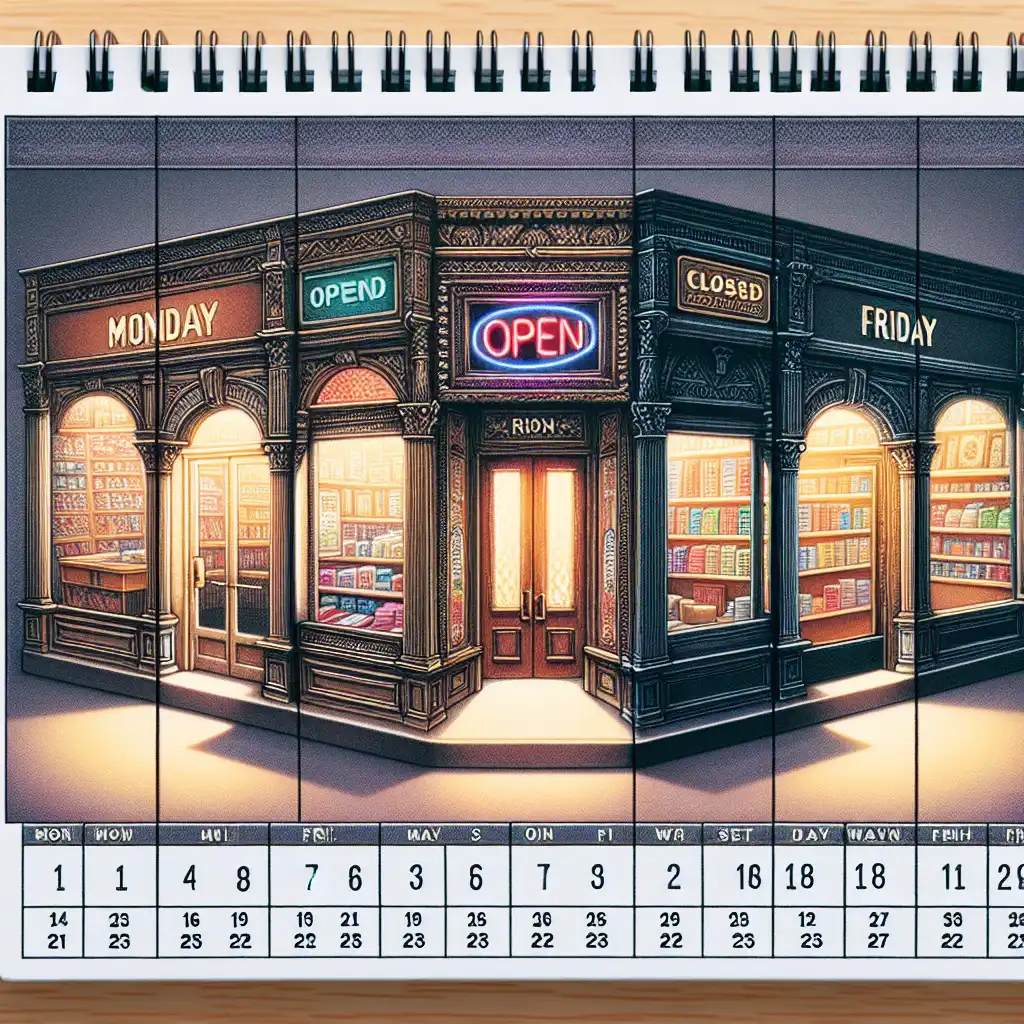
Used to express the point of limit in time or point in a scale.
The store is open from Monday to Friday.
tə,tu
Used to indicate the relationship between a part and a whole.
He belongs to a rich family.

tə,tu
Used to indicate the recipient or beneficiary of action of a verb.
I gave the book to him.
No se pudo cargar el audio. Inténtalo de nuevo más tarde.
The word 'to' is used in English in many different ways. It can be used to show movement or direction, as in "I am going to the store." It can also be used to indicate the purpose of an action, as in "I am studying to become a doctor." Additionally, it can be used as a preposition, which means it is used to connect nouns or pronouns to other words in the sentence. For example, "I am giving this gift to my friend." The word 'to' is a very common word in English, and it is important to learn how to use it properly in order to communicate effectively.
For is often used to indicate the purpose or goal of an action. For example, "I am studying for my exams" means that the purpose of my studying is to prepare for my exams.
It can also be used to show who is benefiting from an action. For instance, "I bought a present for my mom" means that my mom is the one who will benefit from the present.
The word to is generally used to show direction or movement. For instance, "I am going to the store" means that I am moving in the direction of the store.
For is used to indicate the purpose or beneficiary of an action, while to is used to show direction or recipient.
Abrir palabra: For →Into generally implies a movement or action of going inside or entering something. For example, "I am going into the store" or "I am jumping into the pool".
Abrir palabra: Into →Onto is used to indicate movement or action from one physical surface or situation, and onto another physical surface or situation.
For example, "The cat jumped onto the roof."
Onto is used when there is movement from one physical surface to another, while to is used in more general sense of direction or intention.
Abrir palabra: Onto →Reach refers to the act of arriving at or attaining a particular point or goal.
It can also mean the extent of one's grasp or influence. For example, "I reached the top of the mountain" or "The company's reach extends globally.".
Reach is typically used to indicate achievement or extent, while to is used to indicate direction or connection.
Abrir palabra: Reach →Both to and towards are prepositions that indicate direction.
Towards is used when something is moving or directed in the direction of a particular person, place or thing, but not necessarily reaching it.
For example, "I am walking towards the store," indicates that someone is heading in the direction of the store, but not necessarily going inside it.
To implies having arrived at a destination, while towards suggests movement or direction towards a destination.
Abrir palabra: Towards →Until refers to a point in time and means that something will continue up to that point, but not after. For example, "I will stay up until midnight" means that the person will stay up but they will stop at midnight.
It can also be used to show a condition, like "I won't eat until I finish my homework." This means that the person will wait to eat until they finish their homework.
To is used more for destinations or end points, while until is used more for specific points in time or conditions.
Abrir palabra: Until →Unto is a slightly archaic preposition that means to or 'towards'.
It is used mostly in formal or biblical language. Example: "Unto you is born this day a Savior."
In modern usage, unto is not commonly used and is often replaced by to.
Abrir palabra: Unto →And the prints are said to bring good luck to the fishermen. But the art form is quite different than it used to be. Most artists today learn on their own by trial and error. Before the artist begins to print, the fish needs to be prepared for printing. First the artist places the fish on a hollowed out surface.
Ver en YouTube ↗Live as if you were to die tomorrow. Learn as if you were to live forever.
Protecting the nest means Gigantoraptors' young are more likely to survive.
Ver en YouTube ↗My work and my family are very important to me.
As an example we could have taken the blood of survivors, processed it and put that plasma back in people to protect them. But that was never tried. So there was a lot that was missing. And these things are really a global failure.
Ver en YouTube ↗The way to know life is to love many things.
CARTEL MARIANA VAN Here's where things get interesting. Remember when I said that you never ask what cartel someone belongs to? I didn't. This guy just decided to tell me that he works for one
Ver en YouTube ↗I'm not afraid to write my feelings in songs.
will help you it's curiosity curiosity will help you to open your vision to see further
Ver en YouTube ↗Things don't have to change the world to be important.
risking life and limb to graze on these seaweed pastures
Ver en YouTube ↗I'm trying to make the world a more open place.
for those able to travel this water is a lifesaver
Ver en YouTube ↗If you tell the truth, you don't have to remember anything.
A few attractive berries to help decorate the floor.
Ver en YouTube ↗I want the world to be better because I was here.
at last she succumbs to his advances and
Ver en YouTube ↗Learn from yesterday, live for today, hope for tomorrow. The important thing is not to stop questioning.
to help her in her quest she's equipped
Ver en YouTube ↗We all know that Art is not truth. Art is a lie that makes us realize the truth, at least the truth that is given to us to understand.