putrefy
verb putrefy
ˈpjuːtrɪfaɪ
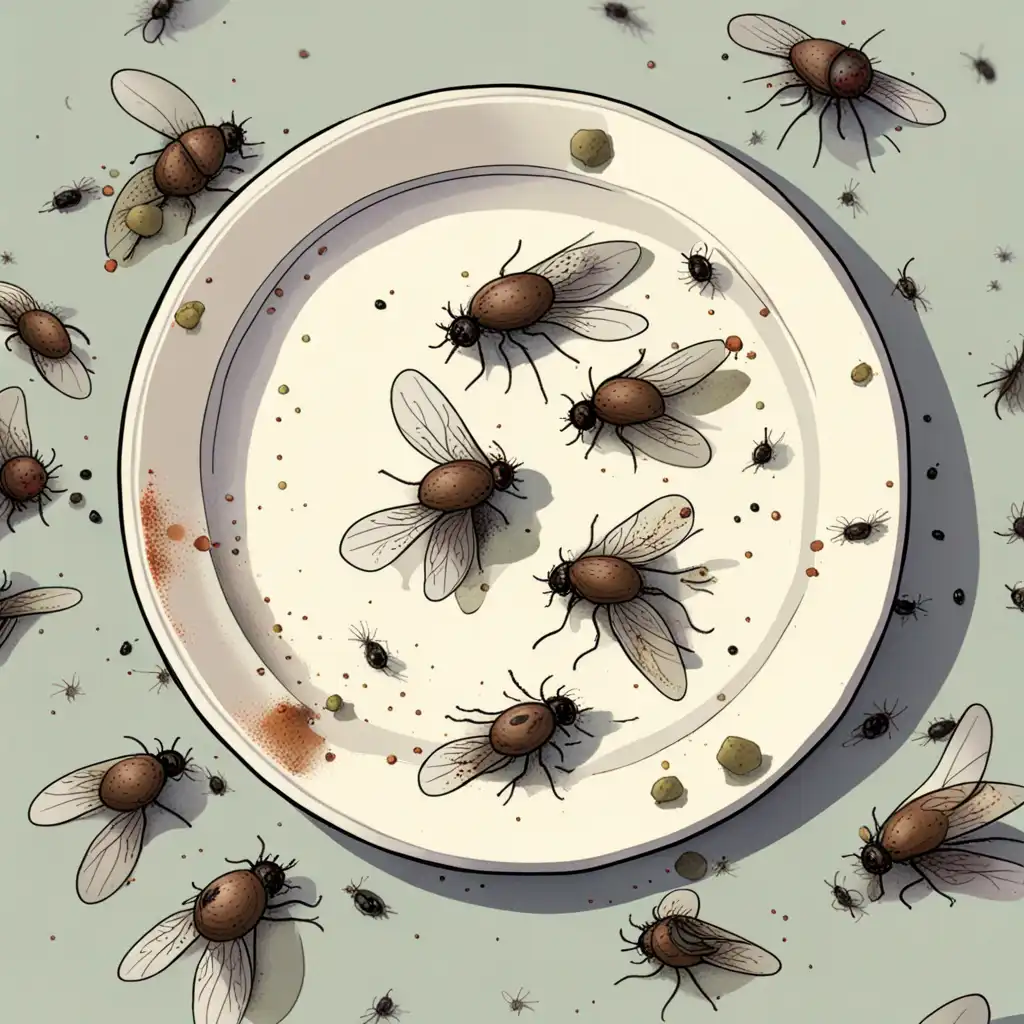
to decompose or rot, typically with a horrible smell
The food left outside started to putrefy within a couple of hours.
putrefy
ˈpjuːtrɪfaɪ
Đang tải…
ˈpjuːtrɪfaɪ
to decompose or rot, typically with a horrible smell
The food left outside started to putrefy within a couple of hours.

ˈpjuːtrɪfaɪ
to become very corrupt or evil
The government had putrefied, leading to a state of lawlessness.
Không tải được âm thanh. Vui lòng thử lại sau.
The word 'putrefy' means to decay and decompose in a way that creates a bad smell. It is typically used to describe the process of organic matter breaking down and producing a foul odor, such as rotting food or animal carcasses. In everyday language, it may also be used to describe anything that has become stale or unpleasant due to neglect or lack of care.
Break down means to dismantle or decompose something into its individual parts or components.
In essence, break down is used for non-organic objects while putrefy is used for organic objects.
Mở từ: Break down →Corrupt means to cause something to become immoral or dishonest, or to make it lose its original quality.
Corrupt has a moral connotation and can refer to people or things losing their integrity, while putrefy is a physical process of decay and rot.
Mở từ: Corrupt →Both ‘decay’ and ‘putrefy’ refer to the decomposition of organic material, but ‘decay’ is the more general term, and refers to any kind of gradual deterioration or loss of integrity.
For example, leaves on the ground in the fall begin to decay over time. ‘Putrefy,’ on the other hand, suggests a more rapid and offensive breakdown involving rotting, stinking, or the release of gas - it specifically refers to organic matter that has begun to decompose and produce a foul smell.
In general, ‘decay’ is the more neutral word, while ‘putrefy’ carries a negative or even morbid connotation.
Mở từ: Decay →Decompose means to break down into simpler parts over time without producing a bad smell.
Decompose applies to any organic matter that breaks down into simpler components and does not generally imply a foul smell.
The difference between decompose and putrefy is the speed and odor associated with the breakdown of organic matter. Decomposition is a slow and natural process while putrefaction is rapid and accompanied by a strong smell.
Mở từ: Decompose →Deteriorate means to gradually become worse over time.
Deteriorate is applicable when describing anything that is becoming worse over time, while putrefy is applicable when describing the rotting or decomposition of organic matter.
Mở từ: Deteriorate →Fester means to become infected or inflamed and to worsen over time.
For example, a cut on your hand can fester if it becomes infected and starts to swell and hurt more over time.
Similarly, a disagreement between friends can fester if it's not resolved and it starts to cause more tension.
Fester describes a negative situation that is getting worse, while putrefy describes organic matter breaking down and becoming rotten.
Mở từ: Fester →Both words (putrefy and rot) mean to decay or decompose, but there are some differences between the two.
Rot is a more general term and can describe the decay of both organic and non-organic matter.
It can also describe objects that are deteriorating or falling apart due to neglect or disuse, such as a wooden fence that has rotted away or a neglected building that is slowly rotting from the inside out.
In summary, while both words refer to the process of decay, putrefy is more specifically used for organic matter and the activity of bacteria, while rot can be used for both organic and non-organic matter as well as deterioration due to neglect.
Mở từ: Rot →Putrefy and spoil are both verbs that refer to the decomposition or decay of something.
Spoil can refer to a broader range of situations where something has gone bad or become unusable. This could include food that has gone bad, but it could also refer to other products or materials that have degraded or become unusable over time.
Putrefy is typically used to describe the decomposition of organic matter, while spoil can refer to a wider range of situations where something has become unusable or degraded.
Mở từ: Spoil →