derrick
noun derrick
ˈderɪk
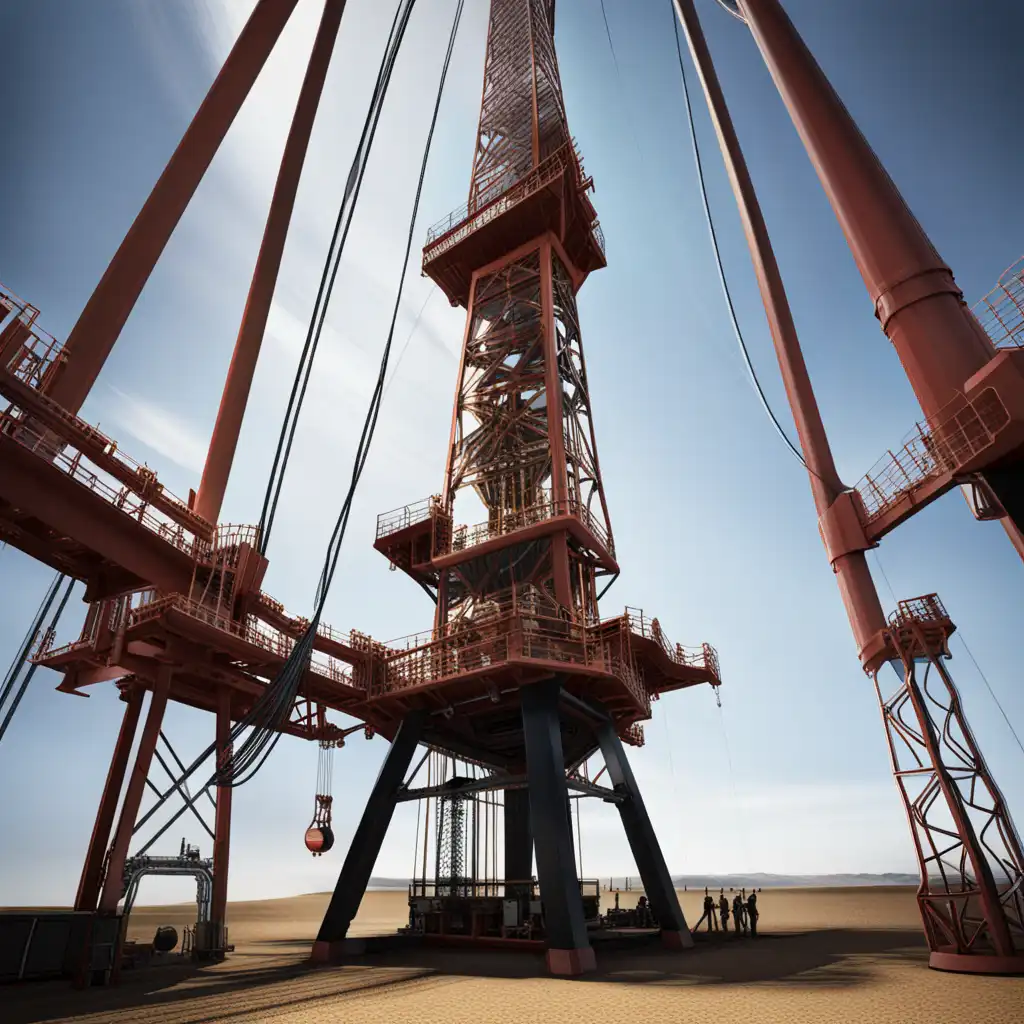
A tall tower on a drilling rig or ship used for lifting and moving heavy objects
The oil rig had a large derrick used to lower the drills into the ground.
derrick
ˈderɪk
読み込み中…
ˈderɪk
A tall tower on a drilling rig or ship used for lifting and moving heavy objects
The oil rig had a large derrick used to lower the drills into the ground.
ˈderɪk
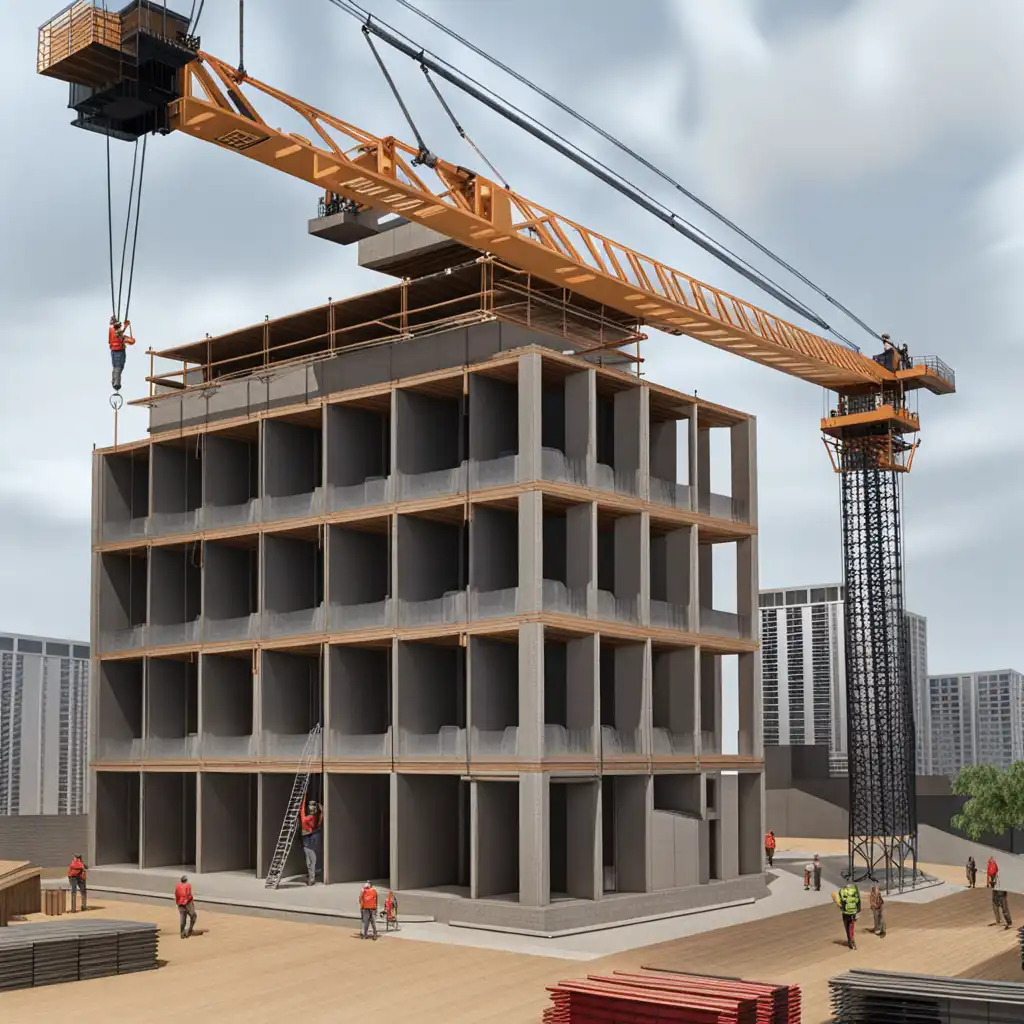
A kind of crane with a movable pivot point and a vertical mast.
A derrick was used to lift the heavy construction materials to the top of the building.
ˈderɪk
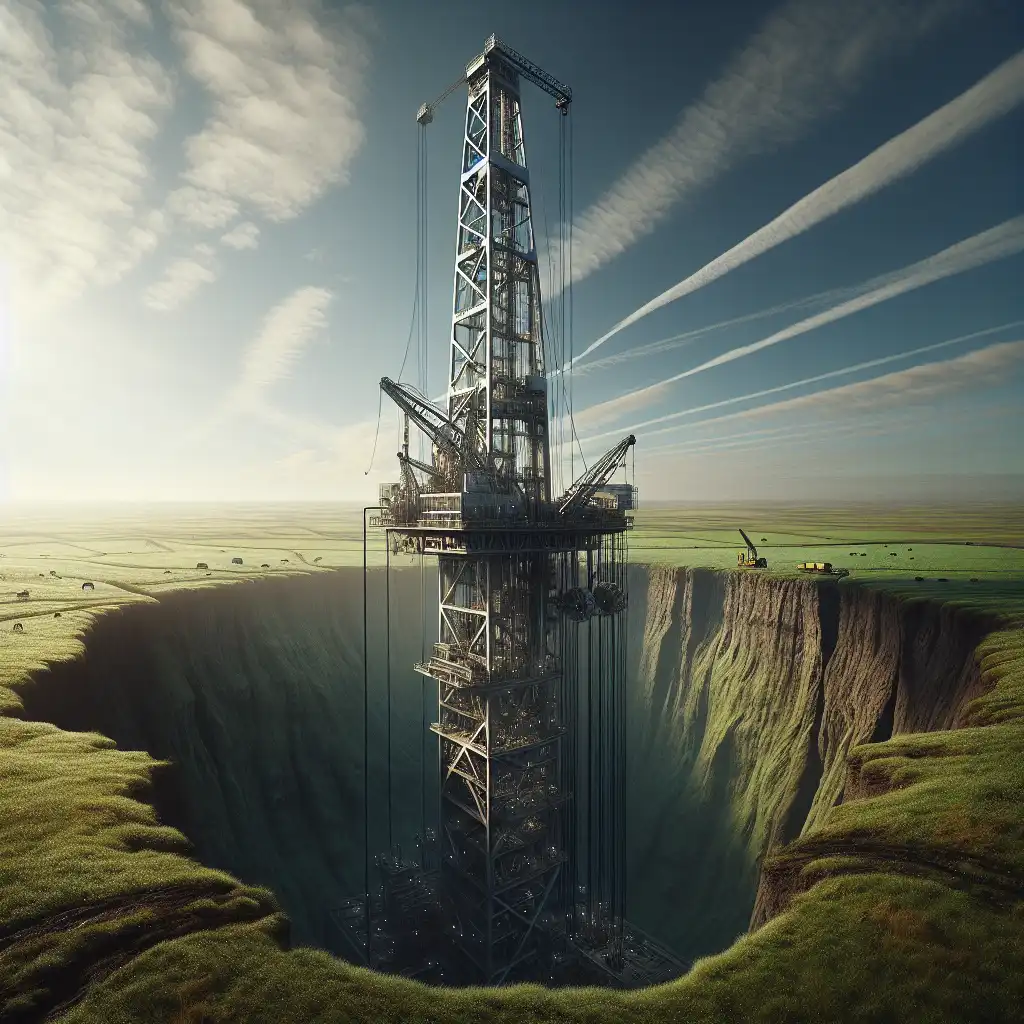
A framework or tower over a deep drill hole (as of an oil well) for supporting boring tackle or for hoisting and lowering.
The derrick for the well was visible from miles away.
音声を読み込めませんでした。しばらくしてからもう一度お試しください。
A derrick is a tall crane-like structure used for lifting heavy objects or drilling deep into the ground for oil or gas exploration. It is commonly used in construction sites, offshore drilling rigs, and oil fields.
A boom is a long and horizontal beam that extends from a mast of a ship and is used for lifting or moving heavy objects.
A derrick is a tall and narrow apparatus used in drilling for oil or other natural resources. It is composed of a vertical mast and an inclined boom.
A boom is used for lifting or moving heavy objects on a ship or in construction, while a derrick is used for drilling and hoisting heavy equipment in the oil and gas industry.
単語を開く: Boom →Both the words crane and derrick refer to machines that are used for lifting and moving heavy objects. The main difference between the two is how they are constructed.
A crane is a tall and vertical machine that has a long arm (or boom) with a hook or chain attached to the end. The crane arm can be moved up and down and left and right, which allows it to move objects in any direction.
Cranes are often used on construction sites, in shipping yards and for loading and unloading cargo from ships.
A derrick is a machine that has a fixed frame or mast with a boom that extends out from it. Unlike a crane, a derrick cannot move its boom in different directions.
In summary, cranes are more versatile and can move objects in any direction, while derricks are more specialized and are used primarily for lifting and moving objects straight up and down.
単語を開く: Crane →A hoist is a device used for lifting and lowering loads vertically.
It can be portable or fixed and may use ropes, chains, or cables to lift the load. Hoists are commonly used in warehouses, factories, and construction sites for moving heavy items such as boxes or materials.
A derrick is a large machine used for heavy lifting and is typically stationary, while a hoist is a device used for lifting and lowering loads vertically and can be portable or fixed.
単語を開く: Hoist →A jib is a type of mechanical arm used for carrying a load from one position to another. It has a vertical pillar with a horizontal boom at one end and a hoist for lifting loads at the other end.
A jib is commonly used in machines like cranes, excavators, and loaders.
In summary, we can say that a derrick is used for lifting and lowering objects in vertical motion, while a jib is used for carrying a load from one position to another in horizontal motion.
単語を開く: Jib →A derrick is a large crane used for heavy lifting, typically found in oil rigs or construction sites, whereas a lift is a device used to vertically move people or objects between different levels or floors, commonly found in buildings.
A derrick is designed for heavy-duty tasks and lifting of very heavy and bulky items, such as drill pipes or structural beams, whereas lifts are designed for transporting people or smaller objects within buildings, such as elevators or dumbwaiters.
In summary, derricks are used for heavy lifting in construction and oil rig settings, while lifts are used for vertical transportation within buildings.
単語を開く: Lift →A pulley is a small, round device that is used to lift objects by changing the direction of the force that is being applied to them.
A pulley can be used on its own, or it can be part of a more complex system of pulleys and ropes.
A pulley is a more versatile tool that can be used in a variety of settings, from simple machines like a flagpole to more complex systems like elevators or cranes.
A derrick is a larger and more specific structure used for industrial lifting, while a pulley is a smaller and more versatile tool that can be used in a variety of lifting situations.
単語を開く: Pulley →A scaffold is a temporary platform or structure that is used to support workers and materials during construction or repairs.
In essence, a derrick is used to move heavy objects from one place to another, while a scaffold is used to work on buildings, bridges, or other structures.
Derrick is applicable in construction or transportation industries, while scaffold is applicable in construction or repair industries.
単語を開く: Scaffold →A winch is a type of mechanical device that is used to wind or unwind a cable, rope, or wire.
A winch is often electrically powered or operated by a manual lever or crank.
A derrick is a type of machine used for lifting and moving heavy objects, whereas a winch is a mechanical device used for winding or unwinding cables, ropes, or wires to lift, pull or haul heavy objects.
単語を開く: Winch →Recruiting training rewarding human experts. Data is said to be the new oil, but believe me human knowledge will make the difference, because it is the only derrick available
YouTube で見る ↗I mean, I could just go round and use session musicians for every song, but I don't find that helps when it comes to setting up a band for live. Derrick has been with me for donkey's years.
that an artwork should look back out at you you know what would that be and so I put a ball in and hooked it up to this Volkswagen wiper motor and an oil derrick there and that helped make the eyeball open up that ended up being my
YouTube で見る ↗Derrick Rose - he's had his opportunity. He's been an MVP in the league. His efficiency isn't what it used to be.
I always had dreamed one day Bruce Buffer's going to be introducing me... Derrick 'The Black Beast' Lewis... and I just always pictured him saying it.