
sallow
adjective sallow
ˈsæləʊ
A skin color that is yellowish, unhealthy-looking.
She noticed that his face was sallow and he looked unwell.
sallow
ˈsæləʊ
Loading…
ˈsæləʊ
A skin color that is yellowish, unhealthy-looking.
She noticed that his face was sallow and he looked unwell.
ˈsæləʊ
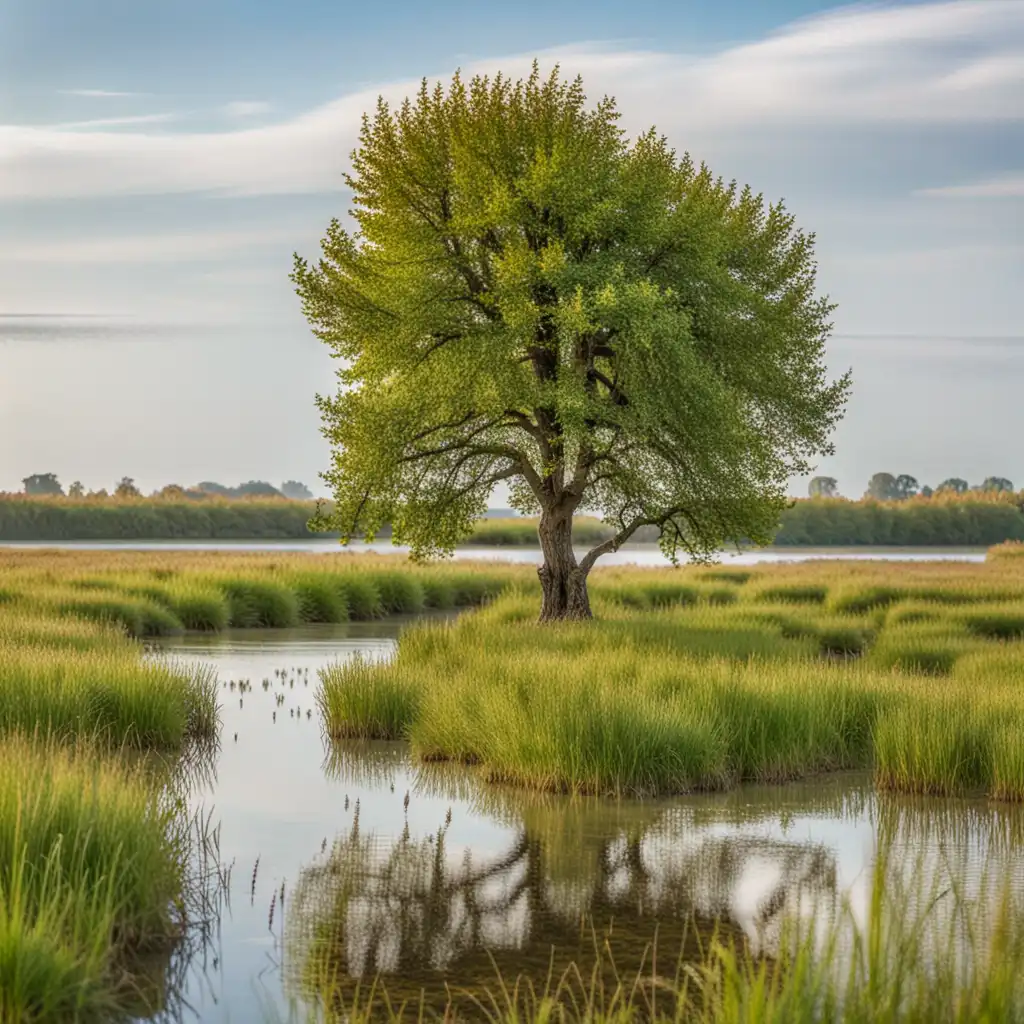
A type of small tree or shrub with broad leaves, often found in Europe and Asia.
The sallow tree is common in European marshes.
Audio could not be loaded. Please try again later.
Sallow is a word that is used to describe someone's pale, unhealthy-looking skin. It can also be used to describe someone who looks sickly or tired. It's a good word to use when you want to describe someone's appearance, especially when they don't look well.
The words ashen and sallow both refer to the color of someone's skin, but they convey different shades and implications.
Ashen refers to skin that is pale or gray, often because the person is sick, tired, or frightened.
It can also describe skin that has a dull, lifeless quality to it. For example, if someone's face turned ashen after hearing bad news, it would mean their skin became very pale and possibly even a little grayish in color.
Ashen applies to skin that is pale or grayish due to sickness or fatigue, while sallow describes skin that is yellowish or greenish and suggests a lack of health or wellness.
Open word: Ashen →Bleach refers to a process of whitening or lightening an object or fabric by using a chemical solution.
It is often used for cleaning purposes to remove stains or discoloration. For example, you might bleach your white clothes to make them brighter or use bleach to clean your bathroom tiles.
Bleach is a verb used for cleaning and whitening, while sallow is an adjective used to describe a pale, unhealthy appearance.
Open word: Bleach →Jaundice is a medical condition where a person's skin and eyes turn yellow due to excess bilirubin in the blood. It is a symptom of liver or blood-related diseases.
Jaundice is a specific medical condition, while sallow is a general term for a complexion that appears unhealthy.
Jaundice can only be used in a medical context, while sallow can be used in both medical and non-medical contexts.
Open word: Jaundice →Both pale and sallow describe a lack of color in someone's complexion, but they are different in their applicability.
Pale can describe someone who is fair-skinned, or someone who looks sickly or tired. For example, when a person is pale, their skin has lost most of its color, and they may appear white.
Open word: Pale →Pallid means a person's face or complexion is pale, indicating that they are unwell or sickly.
Both words describe unhealthy or unwell appearances, but pallid refers to a pale hue, while sallow refers to a yellow or brownish tint.
Pallid is often used to describe someone who is tired or fatigued, while sallow describes someone who is unwell or malnourished.
Open word: Pallid →Sallow refers to a yellowish or pale complexion, often associated with illness or fatigue. It describes a physical appearance rather than a specific sickness.
Sick refers to a state of illness or a feeling of being unwell.
It can describe anything from a minor cold to a serious medical condition. Sallow is more about appearance while sick is about physical health.
Open word: Sick →Want means to lack something or have a desire for something.
It describes a feeling of needing or wanting something, either tangible or intangible.
Sallow describes a physical attribute while want describes a psychological or emotional state of desire.
Open word: Want →Sallow describes a yellowish or pale skin tone, often indicating poor health or illness. It is specifically used to describe a person's complexion.
Yellowish refers to any object or material that has a slight yellow tint or hue.
Sallow describes human skin tone, whereas yellowish can describe any object with a yellow or yellowish tint.
Open word: Yellowish →