
dualistic
adjective dualistic
ˌduːəˈlɪstɪk
Relating to the idea or belief that everything has two opposite parts or principles.
His viewpoint is dualistic, he often views things in black and white.
dualistic
ˌduːəˈlɪstɪk
加载中…
ˌduːəˈlɪstɪk
Relating to the idea or belief that everything has two opposite parts or principles.
His viewpoint is dualistic, he often views things in black and white.
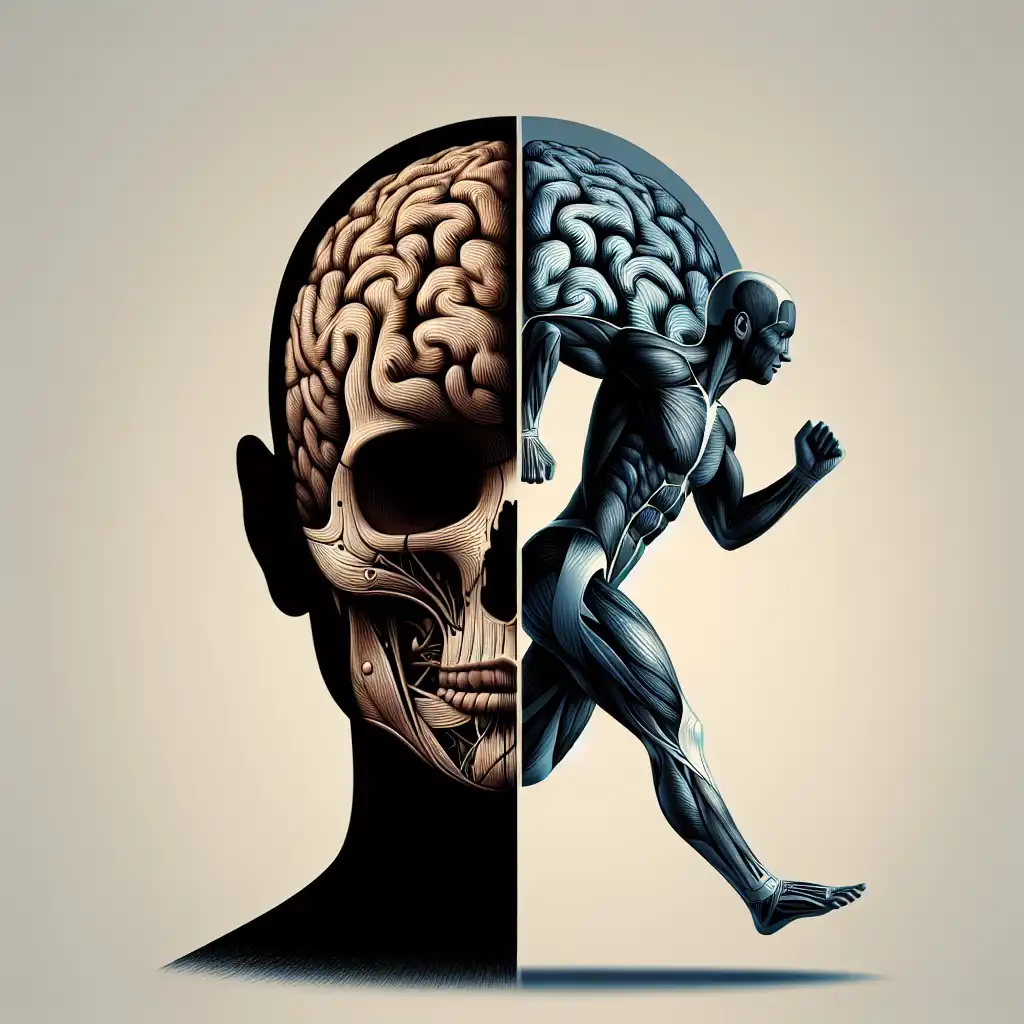
ˌduːəˈlɪstɪk
Concerning the division of something into two opposed aspects.
In dualistic philosophy, mind and body are seen as two distinct entities.

ˌduːəˈlɪstɪk
Involving two elements or parts.
The dualistic system in binary code is fundamental to computing.
音频无法加载,请稍后再试。
The word 'dualistic' means seeing things as having two opposite parts or ideas. For example, good and bad, right and wrong, light and dark. It is often used in discussions of spirituality and philosophy when people talk about the idea of there being two opposing forces in the world. It can also be used to describe a way of thinking that separates things into dichotomies or black and white categories.
Ambivalent means having mixed feelings or contradictory attitudes towards something or someone. For example, if someone is ambivalent about going to a party, they may have both positive and negative feelings towards attending the party.
Ambivalent describes conflicting emotions or attitudes towards something, while dualistic describes a belief in the division of things into two opposing categories.
Ambivalent is applicable to emotions and attitudes, while dualistic is applicable to beliefs and concepts.
打开单词: Ambivalent →The words binary and dualistic both refer to the idea of dividing something into two parts.
However, binary is generally used in the context of computing or mathematics, where it refers to the system of using only two digits (0 and 1) to express all numbers and operations.
So, while binary is applicable to technical fields, dualistic is more applicable to discussions of philosophy, religion, or culture.
打开单词: Binary →Contrast refers to the differences between two or more things, while dualistic involves the idea that there are two opposing forces or concepts.
For example, if you were comparing two paintings, you would be discussing their contrasts - what makes each one unique from the other.
Contrast is applicable when discussing differences between two or more things, while dualistic is applicable when discussing opposing forces or concepts.
打开单词: Contrast →Equivocal refers to something that is open to more than one interpretation, meaning that it is ambiguous, vague, or unclear.
Dualistic refers to a clear divide between two opposing parts, while equivocal refers to something open to more than one interpretation.
Dualistic is useful for describing concepts that have clear and contrasting elements, while equivocal is useful for describing concepts that are uncertain or open to interpretation.
打开单词: Equivocal →Dualistic refers to the idea of two opposing concepts, while opposition simply means that two or more things are opposed to each other.
Opposition is a more general term that can be applied to any situation in which two or more things are in conflict or in opposition to each other.
This could be a political opposition, where two parties have opposing agendas, or a sporting match, where two teams are playing against each other.
Dualistic refers specifically to a belief system or way of thinking that sees the world as being made up of two opposing forces, while opposition can describe any situation in which two things are in conflict with each other.
打开单词: Opposition →Polar refers to something that has two opposite poles or extremes. It implies a polarity, or an opposition between two extremes.
It is often used in scientific or physical contexts, such as when discussing the polarity of a magnet or the poles of the Earth.
Dualistic refers to a division into two parts or opposing ideas, while polar refers to an opposition between two extremes or opposite poles.
打开单词: Polar →Twofold simply means consisting of two parts or aspects. It suggests a more balanced, complementary, or nuanced approach.
However, when discussing a practical situation, one might describe its twofold nature if it involves two complementary aspects or outcomes.
打开单词: Twofold →Why should you read...
在 YouTube 上观看 ↗I think I have a dualistic nature.
The revolutionary power...
在 YouTube 上观看 ↗Fear, separation, hate and anger come from the wrong view that you and the Earth are two separate entities, the Earth is only the environment. You are in the centre and you want to do something for the Earth in order for you to survive. That is a dualistic way of seeing.
It's the dualistic ways of looking at things that produces the evil.