
baba
noun baba
ˈbɑːbɑː
Father, in some languages like Turkish, Hindi and others.
My baba is coming home tonight.
baba
ˈbɑːbɑː
Chargement…
ˈbɑːbɑː
Father, in some languages like Turkish, Hindi and others.
My baba is coming home tonight.
ˈbɑːbɑː
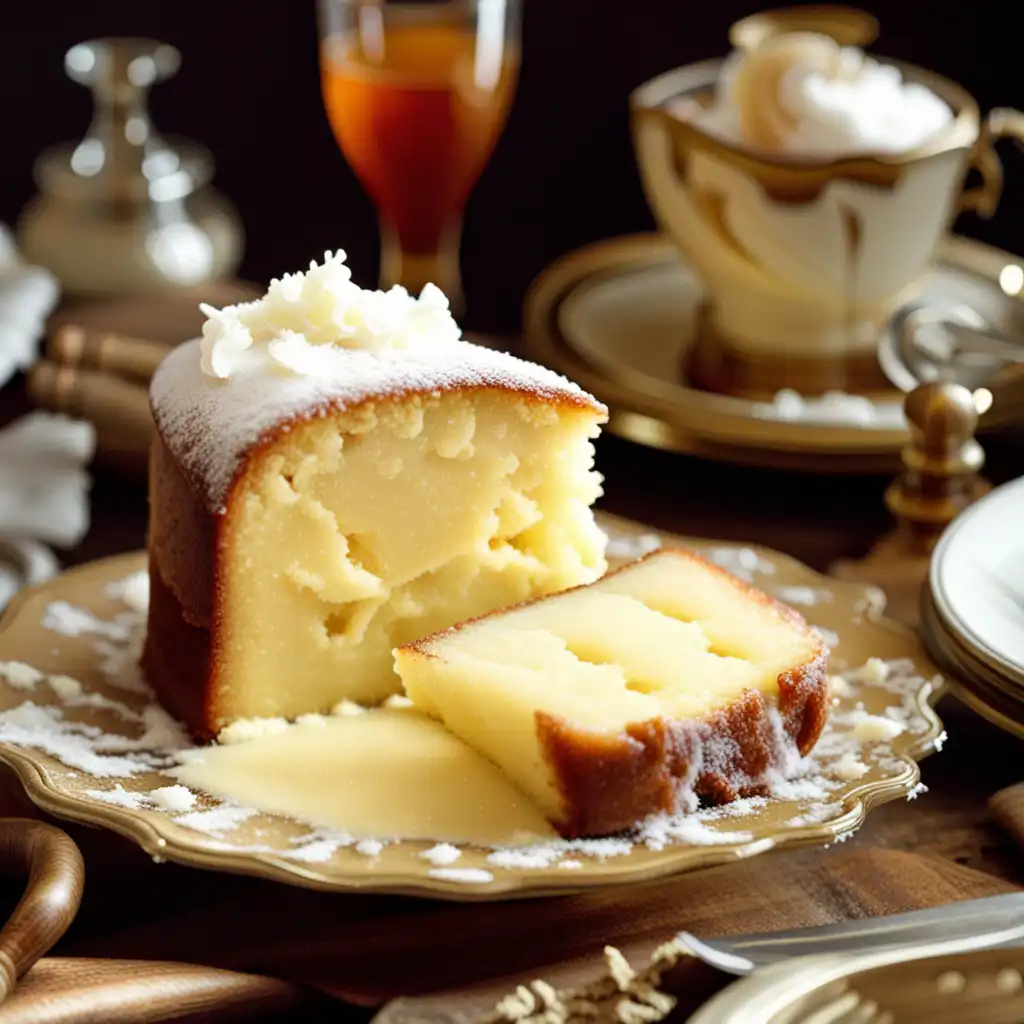
A sweet cake, usually soaked in rum, in French cuisine.
I am baking a baba for dessert tonight.
ˈbɑːbɑː
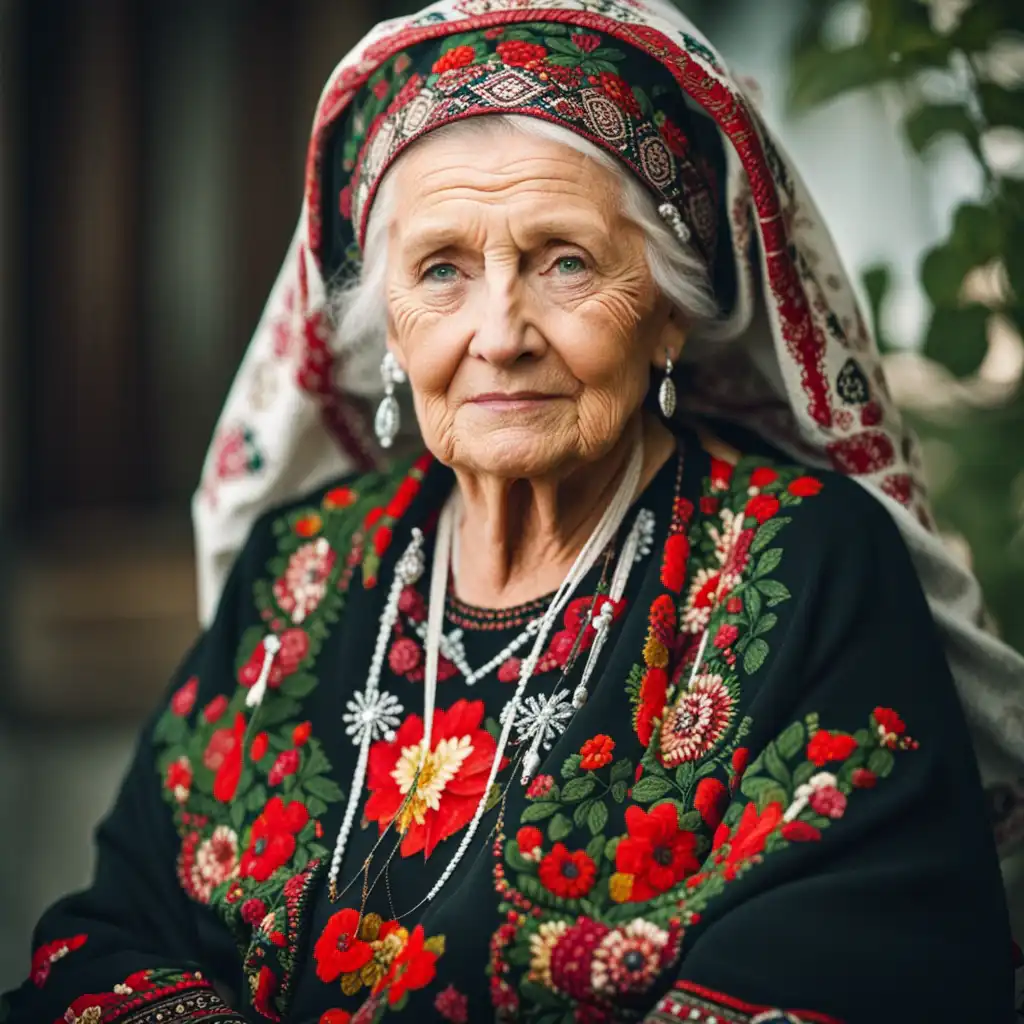
An elderly woman, especially a grandmother in some Slavic languages like Russian and Polish.
I am going to visit my baba this weekend.

ˈbɑːbɑː
A spiritual guide or guru in Hinduism or Sikhism.
He is the baba of our village.
Impossible de charger l’audio. Réessayez plus tard.
The word "baba" can have different meanings depending on the context in which it is used. Here are a few common uses:1. Baba can be used to refer to a "father" or "dad" in some cultures. For example, in India, it is common for children to call their fathers "baba".Example: "My baba is the best dad in the world!"2. Baba can also be used as an affectionate term for an elderly man or someone who is respected.Example: "The village baba is highly respected by everyone in the community."3. In some cultures, baba can also be used as a term of endearment for a little child or baby. Example: "Look at that cute little baba! He's so adorable!"4. Baba is also a type of food, popular in some Middle Eastern countries. It is a type of bread that is baked in a clay oven and is usually served with dips or spreads.Example: "I love to eat baba with hummus and tzatziki."Overall, the word "baba" is used as a term of respect, endearment, or for referring to a father or a type of food.
The words baba and dad are both used to refer to one's father, but they are used in different parts of the world.
Baba is commonly used in some Middle Eastern, South Asian, and African countries, while dad is more commonly used in Western countries.
They both mean the same thing, so it's important to use the word that is most common in the culture you are in. If you're in an English-speaking country, dad is probably the most appropriate word to use.
Ouvrir le mot: Dad →Daddy is a more informal and affectionate term for father, particularly in Western culture. It's usually used within the family or among close friends.
Ouvrir le mot: Daddy →Baba is typically used informally or affectionately to refer to a person's father, especially in some cultures such as India, Pakistan, and some Arab countries.
It is a more familial or intimate term for a father. Father is a formal term used to refer to the male parent of a child.
Ouvrir le mot: Father →Padre is a word used in Spanish and Italian to refer to a father. It is also used to refer to a Catholic priest.
Padre is used in Spanish and Italian to refer to a father or Catholic priest.
Ouvrir le mot: Padre →Both baba and papa are terms of endearment for "father."
However, baba is used more commonly in Eastern European and Middle Eastern countries, while papa is used in Western countries.
Ouvrir le mot: Papa →Patriarch refers to a male head of a family, tribe or community who holds a position of authority by virtue of his age, wisdom or wealth.
The key difference between baba and patriarch is that the former is an informal term used to show respect for an elderly person, while the latter is a formal term used to denote the leader or head of a community, religious organization, or family.
Ouvrir le mot: Patriarch →It can be used as a term of endearment for a father or grandfather figure. Pop is a more informal way of referring to a father.
It can also be used to refer to a sound, such as the noise made by a balloon popping. Baba is a cultural term for a father or an elderly man, while pop is an informal way of referring to a father.
Ouvrir le mot: Pop →Baba is typically used as a term of endearment for a father or grandfather, while the word sire is used as a formal and respectful way to address a male person of authority or someone of higher social status.
For example, a young child might call their father baba, while a servant might address their employer as "sire."
Baba is used in informal settings as a familiar and affectionate term for a male family member, while sire is used in formal settings as a respectful way to address a male of authority or higher status.
Ouvrir le mot: Sire →How to Photograph the...
Voir sur YouTube ↗In India, people still want an image to connect to and, even if it's a false one, they will stick to it. We are ready and want to be fooled by someone or the other, be it a baba or a politician.
Naif Al-Mutawa:...
Voir sur YouTube ↗My two sons are more excited about my father's birthday than him. Baba is a quiet person by nature and feels shy at any kind of celebration.
Nursed Back to Health %\PIPE%...
Voir sur YouTube ↗My mama is African American and from Wisconsin. My baba was born in Iran. My parents have stressed the idea of creating your own path, and creating your own identity is part of that. That's why embracing these two cultures is important to me.
Letting go of outdated...
Voir sur YouTube ↗Baba Seva - Seva Efraimovna Gekhtman - was born in a small town in Ukraine in 1919. Her father was an accountant at a textile factory, and her mother was a nurse. Her parents moved to Moscow with her and her brothers when she was a child.