partisan
noun partisan
ˈpɑːrtəzn
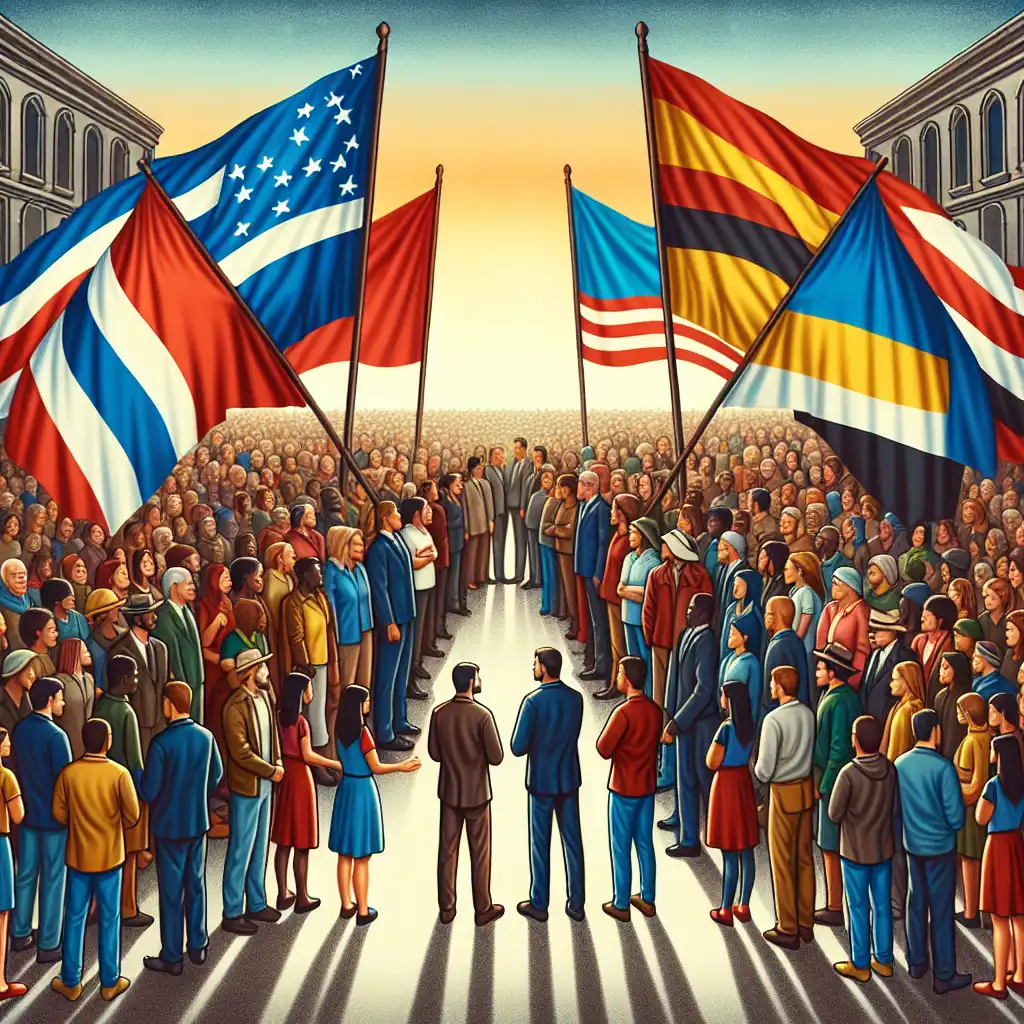
Someone who strongly supports a particular political party, person, or idea
The issue was heavily influenced by partisan politics.
partisan
ˈpɑːrtəzn
Loading…
ˈpɑːrtəzn
Someone who strongly supports a particular political party, person, or idea
The issue was heavily influenced by partisan politics.
ˈpɑːrtəzn
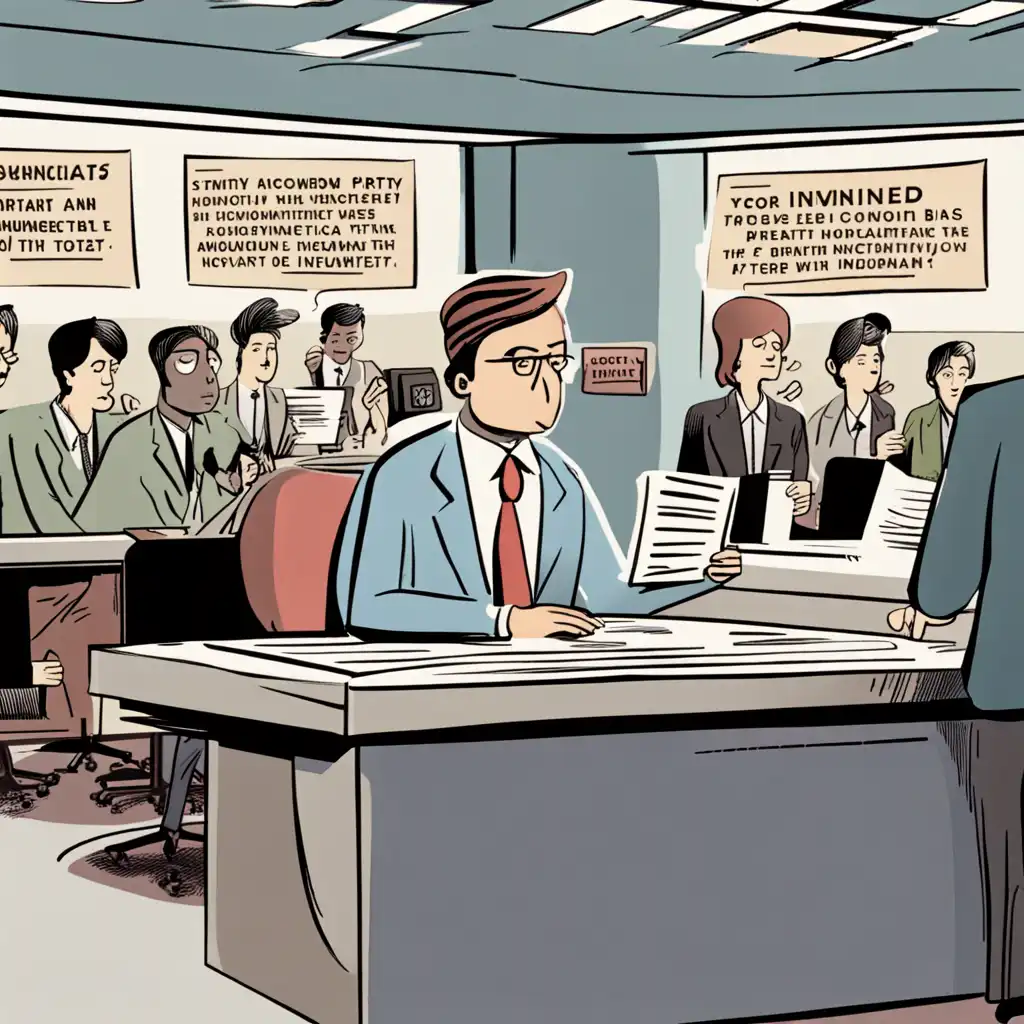
Showing strong support for a particular party, cause, or person and refusing to listen to or consider other opinions
Journalists should not display any partisan biases in their reporting.

ˈpɑːrtəzn
A person who is armed and fights in favor of a group or belief, particularly in times of civil disorder or war, often not part of an official army
During the war, he was a partisan in the anti-fascist resistance.

ˈpɑːrtəzn
A kind of halberd or long, broad-bladed weapon used in the 16th and 17th centuries
The museum has an exhibit featuring different kinds of weapons including the partisan.
Audio could not be loaded. Please try again later.
The word 'partisan' is used to describe someone who is very loyal and dedicated to a particular political party, group or cause. It can also refer to actions or things that show a strong bias towards a certain party or group. For example, a partisan newspaper article would be biased towards a particular political party or point of view. It is important to be aware of the context in which the word is being used, as it can sometimes have a negative connotation of being overly biased or one-sided.
Adherent refers to someone who supports a particular person or idea, whereas partisan refers to someone who is strongly biased towards a political party or way of thinking.
For example, an adherent of a religious leader might follow the leader's teachings and beliefs, while a partisan of a political party might always vote for candidates from that party, even if they don't agree with all their policies.
Adherent is a more neutral term that can be applied to any kind of support, while partisan has more of a negative connotation of blindly supporting a particular group or ideology.
Open word: Adherent →An advocate is someone who supports a particular cause or idea and works to promote it. They can be objective and consider multiple perspectives before making a decision.
Advocates are often seen as more rational and balanced in their arguments.
In summary, advocates are objective and balanced while partisans are often biased and one-sided.
Advocates can be used in any situation where there is a cause or idea that needs support, while partisans are typically used in political contexts.
Open word: Advocate →Ally refers to a person, group, or country that is in cooperation with or supportive of another person, group or country in a common cause or purpose.
For example, during a war, one country might be an ally of another country.
Essentially, an ally is someone who is working together with others towards a common goal, while a partisan is someone who may be biased towards one side of an issue or conflict.
Open word: Ally →A champion is someone who supports and fights for a specific cause or goal because they genuinely believe it is the right thing to do.
Championing is generally seen as a positive trait because it involves standing up for what you believe in and striving for excellence.
Open word: Champion →A devotee is a person who is extremely dedicated to a particular activity, cause or person. They show unwavering loyalty and commitment towards it.
For example, a devotee of a religious figure or a devotee of a particular hobby or interest.
Both words refer to someone who is dedicated to something or someone, but devotee is generally used for non-political contexts, while partisan has strong political connotations.
Open word: Devotee →An enthusiast is a person who is very interested and passionate about something. This could be a hobby, a sport or a particular subject.
So, while an enthusiast has a positive and open-minded attitude towards their area of interest, a partisan is biased and often unwilling to consider alternative views.
Open word: Enthusiast →A follower is someone who supports or believes in an individual or idea, but isn't necessarily committed to it.
For example, a person may be a follower of a celebrity and enjoy their music, movies or TV shows, but they may not necessarily take strong positions on their personal beliefs or politics.
A follower is someone who supports someone or something, while a partisan is someone who is fiercely committed to a particular ideology, party or leader.
Open word: Follower →A supporter is someone who is simply in favor of a particular person, policy, or sports team, but who is not necessarily biased or closed-minded about other options.
A supporter of a sports team might cheer for that team and want them to win, but they are still able to appreciate the other team's strengths and may even acknowledge their own team's weaknesses.
A partisan is more extreme in their support, while a supporter is more moderate in their preferences.
Open word: Supporter →Sympathizer refers to a person who feels compassion or understanding for a particular situation or cause, but may not necessarily be actively involved or committed to it.
On the other hand, someone who is a sympathizer of a particular social cause may understand and support it, but may not necessarily take an active role in furthering its goals.
Open word: Sympathizer →It is. I think it's very true. This is not a left or right issue. Our basic freedoms and when I say our, I don't just mean Americans, I mean people around the world, it's not a partisan issue.
Watch on YouTube ↗Protecting our democracy shouldn't be a partisan issue.
it can lead to policies that aren’t grounded in truth or reason. This problem isn’t new— political identities have been around for centuries. But studies show that partisan polarization has increased dramatically in the last few decades.
Watch on YouTube ↗Partisan politics is not my passion.
the picture we see of politics today is rancorous and partisan and ugly that is an accurate picture but it doesn't have to be the truth is when we focus on
Watch on YouTube ↗Caring for veterans shouldn't be a partisan issue. It should an American one.
received what he construed as permission to remove the marble friezes and take them home to England his partisans say he saved these stunning artworks from vandals who were pulling them apart without him they say the marbles
Watch on YouTube ↗As partisans of our own way of life, we cannot help thinking in a partisan manner.
see coming away from the actual policy bit for a minute but just us talking with each other talking with people around the country and around the world is there any way that this moment somehow you since the partisan design divider is
Watch on YouTube ↗We have a rare and perhaps small window of opportunity to set partisan differences aside, and attempt to achieve what many in recent years have felt was unreachable - greater retirement security for ourselves and our children.
as you said it's no longer a partisan issue, but you bring along people from the other side together, backed by science backed by these kinds of investment opportunities, backed by reason that you win the day -- boy that's really exciting. Thank you so much.
Watch on YouTube ↗You don't need to be partisan. CNN does need to stick to a nonpartisan point of view. That doesn't mean there can't be more passion and excitement.
and separate it into partisan politics. It cannot be a partisan issue, it cannot be a politicized issue. Happily there are some who are working against that. Today we have one of those people, a fantastically courageous climate scientist,
Watch on YouTube ↗In the beginning I thought, and still think, he did great good in giving support and encouragement to this movement. But I did not believe then, and have never believed since, that these ills can be settled by partisan political methods. They are moral and economic questions.
countries have a strong incentive to free ride off the emissions reductions of other nations, instead of strengthening their own programs. This has been the curse of every international climate negotiations including Paris. Finally we have the partisan barrier. Even the most committed countries --
Watch on YouTube ↗I am not pollyannaish about the deep partisan battles that divide us.
That's really true. I said the other night and I'll repeat this is not a political issue. Again the Republicans here -- this shouldn't be partisan.
Watch on YouTube ↗Responsibility for overseeing the implementation of election law typically resides with partisan officials, many with public stakes in the election outcome.
and help heal families, and government just has to get a lot more involved in the way liberals like to rebuild communities. At the other hand we have to have an economy that's free and open the way conservatives used to like. And so getting the substance right is how you smash through the partisan identities,
Watch on YouTube ↗I think the idea of participating in your own health care and being responsible to the extent you can be of your own health, it seems to me a lot like self-reliance and individual responsibility. This cuts through the partisan divide.