bivouac
noun bivouac
ˈbɪvuæk
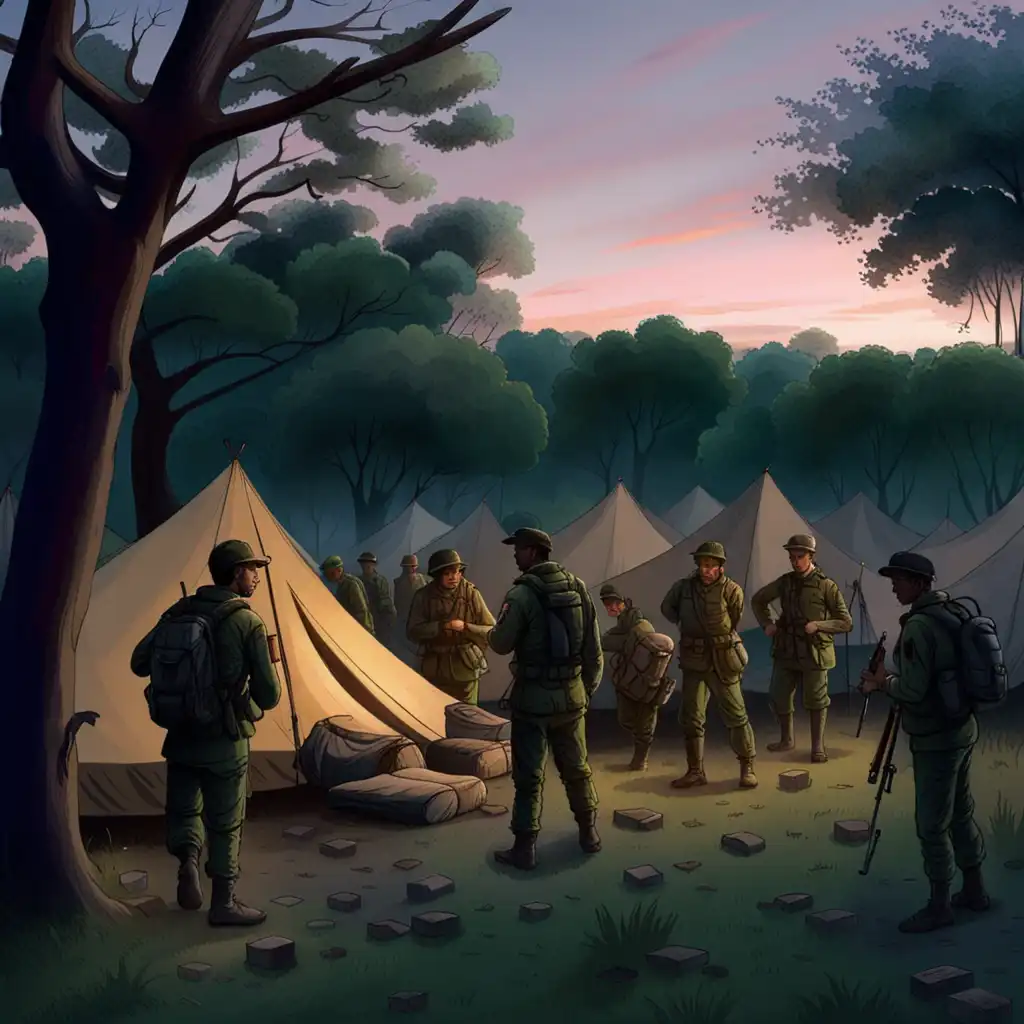
A temporary camp without tents or cover, used especially by soldiers or mountaineers.
The soldiers set up a bivouac for the night.
bivouac
ˈbɪvuæk
加载中…
ˈbɪvuæk
A temporary camp without tents or cover, used especially by soldiers or mountaineers.
The soldiers set up a bivouac for the night.
ˈbɪvuæk
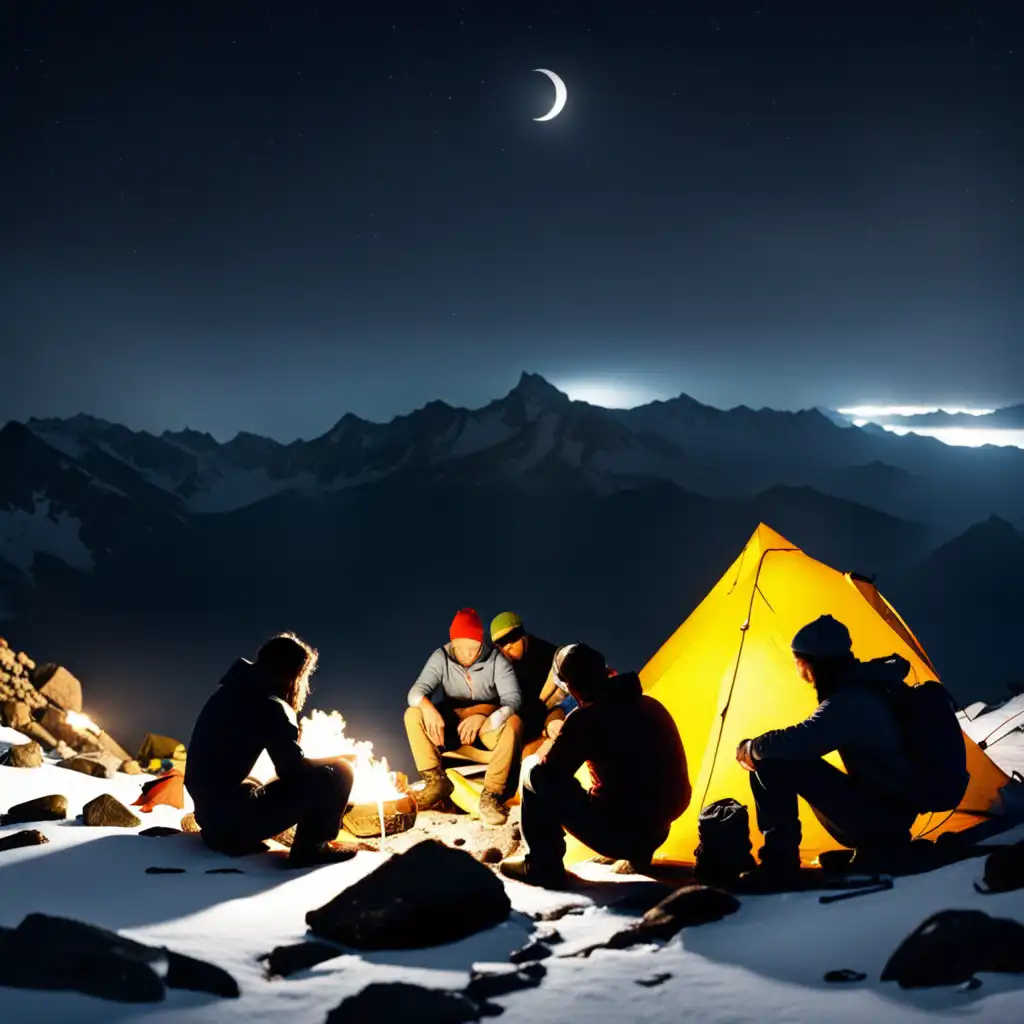
Stay in a temporary camp without cover.
The mountaineers had to bivouac overnight on the mountain.
音频无法加载,请稍后再试。
The word 'bivouac' is typically used to refer to a temporary camping area or shelter that is set up in the outdoors, often by soldiers or hikers. It can also be used as a verb to describe the act of setting up such a temporary location. For example, if you are planning a hiking trip and intend to sleep in a tent overnight, you might say "we need to bivouac at the campsite before continuing on our journey." Essentially, 'bivouac' refers to a situation where you are stopping somewhere for a short period of time to rest or sleep before moving on.
A cabin is a small house or shelter, usually made of wood or logs, that is more permanent and can be used for longer-term stays.
The main difference between bivouac and cabin is that a bivouac is a temporary shelter for short-term stays, while a cabin is a more permanent structure used for longer-term stays.
Bivouacs are more appropriate for outdoor activities such as hiking or camping, while cabins are better suited for remote vacation spots or rural areas.
打开单词: Cabin →Bivouac refers to a temporary shelter or campsite without any permanent structures, while camp often implies a more structured and long-term arrangement with basic amenities like tents, cabins or proper buildings.
Bivouac is suitable for quick overnight stays or survival-type camping, while camp is better suited for extended stays and group activities like hiking, hunting, or summer camps.
打开单词: Camp →A cottage is a small house, often located in a rural or countryside setting.
Cottages can be used as vacation homes, primary residences, or rental properties.
A bivouac is a temporary shelter used for outdoor activities, while a cottage is a more permanent dwelling used for residential purposes.
打开单词: Cottage →Encamp implies a more permanent camp or settlement where people live for a longer period of time.
Encamp is often used in the context of larger groups of people, such as refugees, nomads, or armies, who set up a longer-term settlement or camp.
The key difference between bivouac and encamp is the duration of the stay and the number of people involved. Bivouac refers to a short-term, small-scale shelter, while encamp implies a longer-term, larger-scale settlement.
打开单词: Encamp →A hut is a more permanent shelter constructed from raw materials like wood or stone. Huts are built for long-term stays and can be used as a dwelling or storage unit.
A bivouac is a temporary shelter used for short-term stays, while a hut is a permanent shelter used for long-term stays.
打开单词: Hut →Shelter refers to a structure that is built to provide protection and safety from the elements, such as rain, wind, or snow.
The main difference between bivouac and shelter is that bivouac is a temporary resting place while shelter is a more permanent and protected structure.
Bivouacs are applicable for short-term stays while shelters are applicable for longer stays or as a more permanent residence.
打开单词: Shelter →A tent is a more permanent and structured shelter made of canvas or nylon material with poles and ropes that provide more stability and protection from the elements.
It is typically used by campers, hikers, or families for long-term stays in outdoor environments. The main difference is that a bivouac is a quick, temporary shelter while a tent is a more permanent and structured shelter.
打开单词: Tent →Building a New Home %\PIPE%...
在 YouTube 上观看 ↗The Call of Everest %\PIPE%...
在 YouTube 上观看 ↗