antarctic
adjective antarctic
ænˈtɑːrktɪk
Relating to the south pole or the regions around the south pole
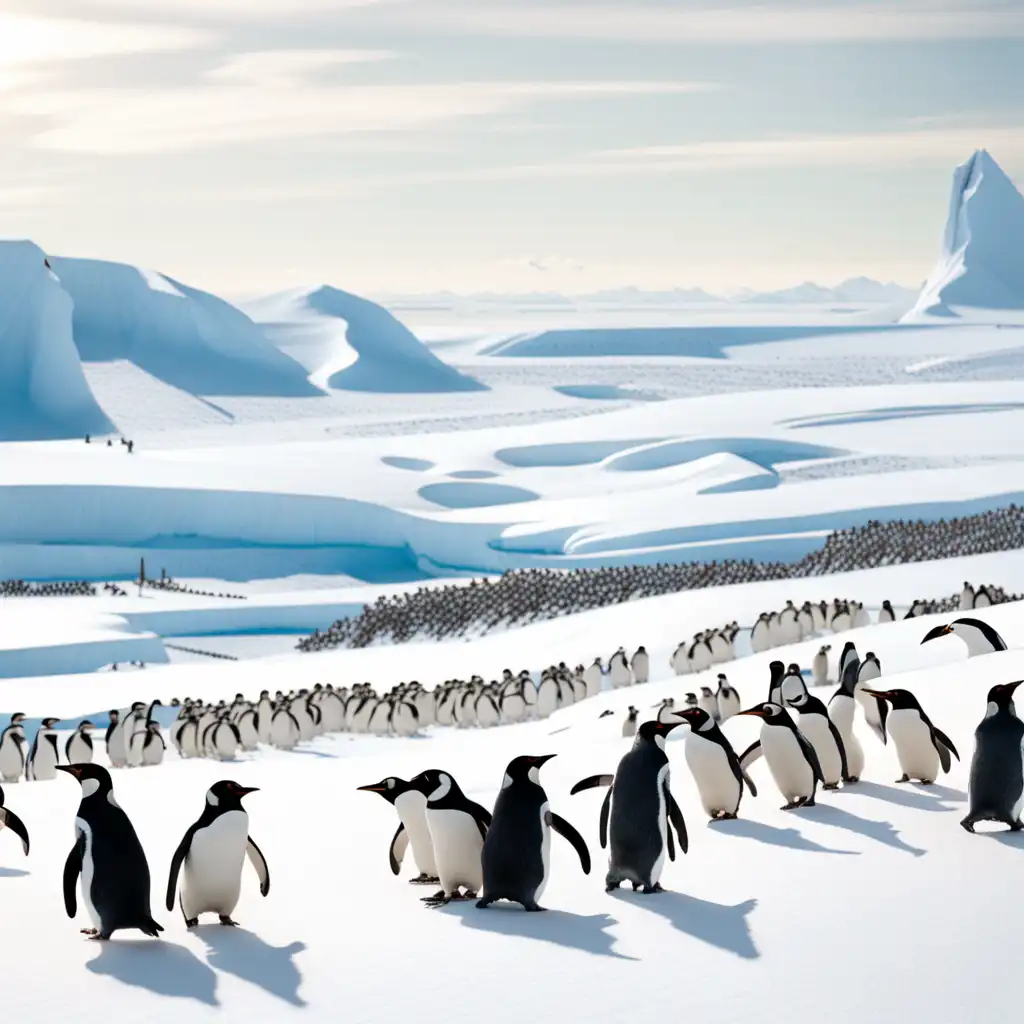
Penguins are native to the Antarctic region.
antarctic
ænˈtɑːrktɪk
Chargement…
ænˈtɑːrktɪk
Relating to the south pole or the regions around the south pole
Penguins are native to the Antarctic region.
ænˈtɑːrktɪk
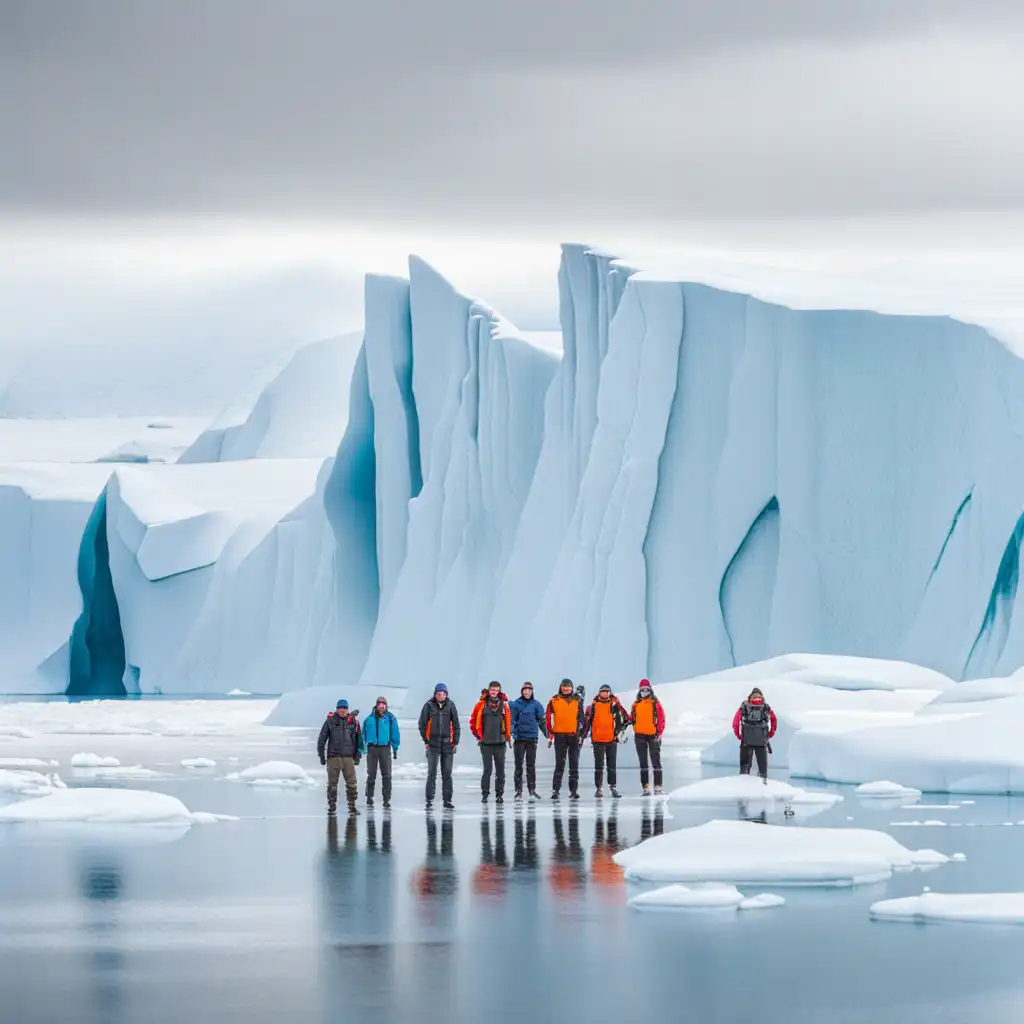
The area around the Earth south of the Antarctic Circle
They are planning to travel to the Antarctic next summer.
Impossible de charger l’audio. Réessayez plus tard.
The word 'antarctic' is used to describe things that are related to the continent of Antarctica, which is the southernmost continent on the Earth. The word can also be used to refer to things that are related to the South Pole, which is located within Antarctica. For example, if you are talking about a scientific mission to study penguins in Antarctica, you can say that the scientists went on an 'antarctic mission'.
Antarctic refers to the region around the South Pole, including the continent of Antarctica. Arctic refers to the region around the North Pole, including parts of North America, Europe, and Asia.
Ouvrir le mot: Arctic →Freeze means to change from a liquid to a solid state due to cold temperatures. While antarctic is a geographical term, freeze is a physical process.
Antarctic is applicable when describing a location or climate, while freeze is applicable when describing a physical change in a substance due to temperature.
Ouvrir le mot: Freeze →Frigid refers more generally to an extremely cold temperature or climate, and can describe any place that experiences significant cold, even if it is not specifically in the Antarctic region.
Antarctic is a specific term used to describe the region around the South Pole, whereas frigid is more general and can describe any place with extremely cold temperatures.
Ouvrir le mot: Frigid →Glacial refers to something icy, frozen, or related to glaciers.
Therefore, Antarctic is specific to the South Pole region, while glacial is applicable to any place where there are glaciers or anything related to them.
Ouvrir le mot: Glacial →Antarctic refers to the southernmost continent on Earth, which is covered in ice and surrounded by icy oceans. It specifically refers to the geographic location and climate of the area.
Icy refers to anything that contains, is covered in, or produces ice. This term can be used in reference to various locations or situations, such as icy roads or an icy drink, to indicate the presence of ice.
In summary, Antarctic is a specific geographic term while icy is a more general term that can describe anything with ice.
Ouvrir le mot: Icy →Antarctic refers specifically to the land and waters surrounding the southernmost continent of Antarctica, while polar refers generally to the regions near the Earth's geographic poles (north and south).
For example, the Arctic is a polar region in the north, while Antarctica is a part of the Antarctic region in the south.
Ouvrir le mot: Polar →Southern is more general and can refer to any area located below the equator.
But if you're talking about things located in any area below the equator, you would use the word southern.
Ouvrir le mot: Southern →Wintry describes anything related to the season of winter, which can be cold and snowy in many parts of the world but is not limited to any specific region.
Ouvrir le mot: Wintry →here and survive but for antarctic animals it's like a warm bath compared to conditions above the ice and while the top of the ice is bleak and barren just a few feet down is a busy living world
Voir sur YouTube ↗In the polar regions, we see how this small local process effects global movement. In the arctic and antarctic, where ice slabs decorate the water's surface, there's little temperature difference between surface and deeper waters. It's all pretty cold. But salinity differs,
Voir sur YouTube ↗everything else in the planet the landscape is shriveling it's drying up you can see a lot of the ice recede and the snow cover receding Antarctic Treaty protects all things on
Voir sur YouTube ↗live inside impact sorted rocks and they use them for energy and for protection these are actually two types of organisms we expect to find on Mars now finally the most mars-like environment of the earth is the Antarctic Dry Valleys and here is where
Voir sur YouTube ↗feed the krill that ice home disappears suddenly the krill have to take that important place in the wider world and seeking safety in numbers they gather in colossal swarms the sheer mass of the antarctic krill is
Voir sur YouTube ↗the most astounding experience i've ever had probably in my life was traveling down to the antarctic peninsula to film the killer whales
Voir sur YouTube ↗temperatures are being observed in the antarctic peninsula in the last few years and what we're seeing is that the glaciers are carving at a faster rate than has ever been seen before
Voir sur YouTube ↗and now look ready to take on the world those that survive their first year have the best possible start in life thanks to the extraordinary hardships endured by their parents parents who battled with the antarctic
Voir sur YouTube ↗Cyanobacteria are still around in almost every environment on oceans, fresh water, soil, antarctic rocks, sloth fur. They still pump oxygen into the atmosphere, and they also pull nitrogen out to fertilize the plants they helped create.
Voir sur YouTube ↗i'm lucky enough to do a lot of my work in the polar regions of the world so up north in the arctic and down south in the antarctic and what i'm going to tell you about today is leopard seals
Voir sur YouTube ↗