
secretion
noun secretion
sɪˈkriːʃn
A substance that is released or produced by a living organism, often a fluid.
Sweat is a type of secretion that helps to cool the body.
secretion
sɪˈkriːʃn
Chargement…
sɪˈkriːʃn
A substance that is released or produced by a living organism, often a fluid.
Sweat is a type of secretion that helps to cool the body.
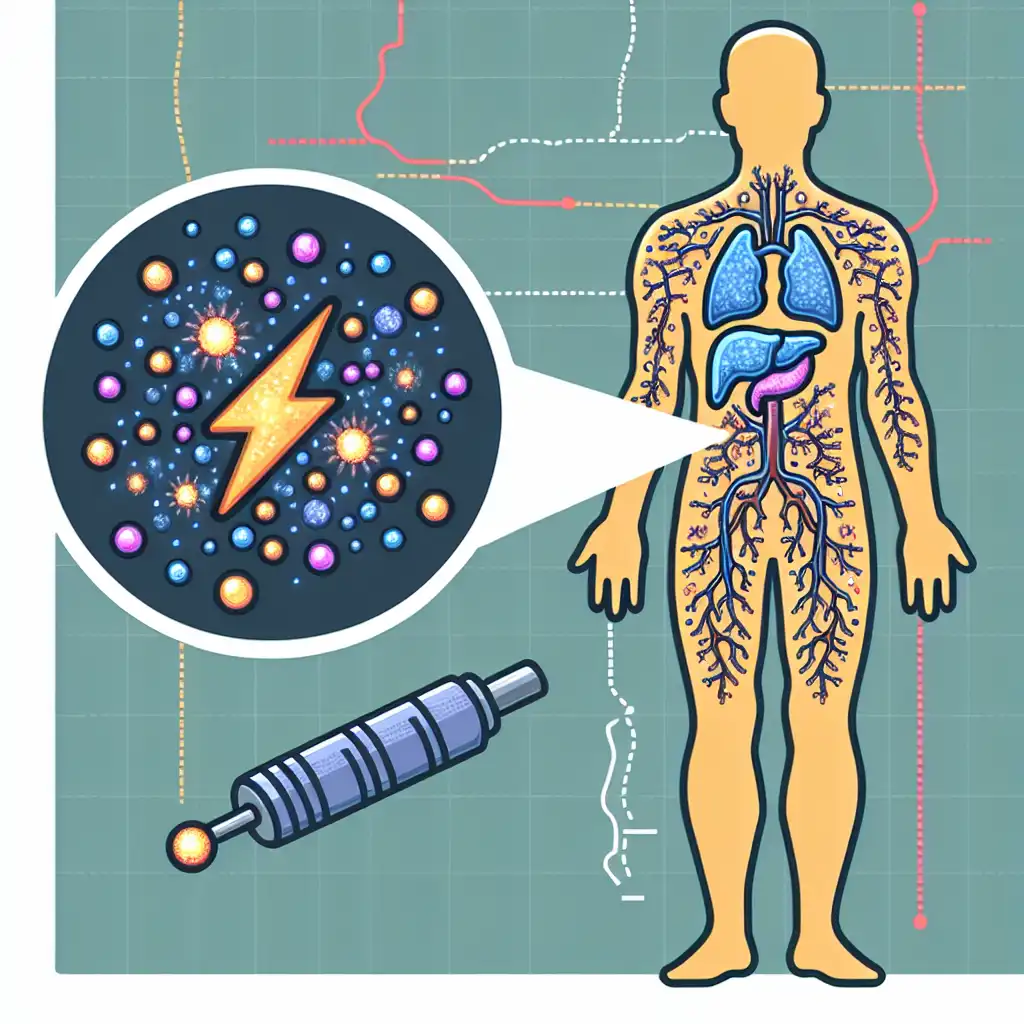
sɪˈkriːʃn
The process of producing and releasing a substance from a cell or gland of the body.
The secretion of insulin by the pancreas plays an essential role in regulating blood sugar levels.

sɪˈkriːʃn
Something that is kept hidden or undisclosed.
Their plan remained a secret until the day of the event, it was a careful secretion of information.
Impossible de charger l’audio. Réessayez plus tard.
The word "secretion" refers to the process of producing and releasing a liquid or substance from a part of an animal or plant's body. For example, different glands in our body secrete hormones, which help regulate various bodily functions such as growth and metabolism. Plants may secrete nectar, which attracts pollinating insects. The word 'secretion' is often used in medical and biological contexts, but can also be used in everyday language when talking about the release of substances from living organisms.
Both words relate to the release of a substance from the body, but they are used in different contexts. The term discharge is often used to describe a more significant or abnormal release of a substance, such as pus from an infected wound or blood from the vagina.
It's important to note that while discharge can indicate a problem or infection, secretion is a normal bodily function.
Ouvrir le mot: Discharge →Emission and secretion are very similar, but they have slightly different meanings.
Emission refers to the release or discharge of something, usually from a source such as a machine or an animal. For example, a car may emit exhaust fumes, or a volcano may emit lava.
Emission is generally used when talking about non-living things.
Emission describes the release of something from a non-living source, while secretion describes the production and release of a substance from a living organism.
Ouvrir le mot: Emission →Excrete means to get rid of waste or excess material from the body, usually through urine, feces, or sweat. Secretion refers to substances that are produced and released by glands in the body, such as hormones, enzymes, and oils.
Excretion is applicable to the process of eliminating waste or excess materials, while secretion is applicable to the production and release of specific substances by glands.
Essentially, excretion is about elimination, while secretion is about production and release.
Ouvrir le mot: Excrete →Extrusion means to force a material or substance out through a small opening or hole, such as pushing a toothpaste tube to squeeze out the toothpaste.
Extrusion is used in manufacturing to create shapes or objects, while secretion is a natural process in the body to release substances from glands and organs.
Ouvrir le mot: Extrusion →Both produce and secretion refer to the creation of a substance by an organism, but they are used in different contexts.
Produce is a more general term that means to create or make something. In biology, it refers to the process of making organic material or other substances by an organism.
For example, a plant produces oxygen through photosynthesis, while a person's liver produces bile to aid in digestion.
In brief, produce is used more generally to describe the creation of any kind of substance, while secretion specifically refers to the release of a substance by an organ or gland.
Ouvrir le mot: Produce →Release refers to the act of letting something go or making it available to be used by someone else. In the context of medicine or biology, release typically refers to the controlled delivery of a substance from a specific location, such as the release of medication from a drug patch.
Secretion refers to the process of producing and releasing a substance, such as hormones or enzymes, from a gland or other type of cell.
Release is applicable when referring to the delivery of a specific substance or object, while secretion is applicable when referring to the production and release of a biological substance or compound.
Ouvrir le mot: Release →Squirt means to release a liquid forcefully in a sudden burst. It implies that the substance is being forcefully ejected out.
For example, water from a squirt gun or ketchup from a bottle can be squirted.
Secretion is a slow and steady release of bodily fluids while squirt is a sudden, forceful release of fluids. Secretions are applicable in biology and medicine, while squirt is applicable in everyday language, such as in cooking or playing with water guns.
Ouvrir le mot: Squirt →They exude a sugary secretion that the ants collect. In return the ants mount a guard to protect the caterpillar wherever it goes.
Voir sur YouTube ↗Diabetes mellitus is due to a deficiency of the internal secretion of the pancreas. The main principle of treatment is, therefore, to correct this deficiency.
Scientists later found these rhythms affect our hormone secretion, how our bodies process food, and even the effects of drugs on our bodies. The field of sciences studying these changes is called chronobiology. Being able to sense time helps us do everything from waking and sleeping
Voir sur YouTube ↗Edible substances evoke the secretion of thick, concentrated saliva. Why? The answer, obviously, is that this enables the mass of food to pass smoothly through the tube leading from the mouth into the stomach.
This control of muscle is very very important, because you know there can be reflexes. If you don't like a food especially if you're a child you gag. It's this brain which makes this reflex. And then finally, it controls also the secretion of this molecular machinery,
Voir sur YouTube ↗Sound in a space affects us profoundly. It changes our heart rate, breathing, hormone secretion, brain waves. It affects our emotions and our cognition.
skin secretion if I were to try to mouth it like a predator that it would secrete a foamy kind of a bitter substance that would maybe make me not eat it this is the gopher frog which is found in longleaf pine environments when it's when it's rubbed on the back it protects
Voir sur YouTube ↗Neurobiological research has shown that in people with chronic PTSD, both stress hormone secretion and areas of the brain connected to memory function, such as the hippocampus, appear to be affected, although exactly how and why remains controversial.
we've added our inhibitor and what I hope you can see is that the inhibitor greatly decreases the ability of Pseudomonas to secrete that green poison so now we're in business it looks like at least in a lab we can shut down biofilms and we can shut down tox and secretion so what about in an infection
Voir sur YouTube ↗Currently the most effective way to get rid of dandruff is by using antifungals in things like shampoos, applied directly to the scalp to kill Malassezia. For those who experience dandruff, it usually comes and goes as sebum secretions vary throughout one's lifetime
Voir sur YouTube ↗Why we have hair in other regions is... more pungent. Our armpits nipples and pubic areas are dotted with apocrine glands. They produce oily smelly secretions which the thick curly hair that often grows in these spots helps disperse.
Voir sur YouTube ↗requiring hospitalization and oxygen artificial ventilation, or other supportive measures while the body fights the infection. Smoking damages the cilia, making them less able to clear even the normal amount of mucus and secretions,
Voir sur YouTube ↗influenced by our genetic makeup age diet and hygiene. So what is this odor exactly? Where does it come from? And can we do anything about it? To start you just need two things to produce that familiar your armpit’s own secretions
Voir sur YouTube ↗and I'd like to raise them in your consciousness today. The first is physiological. Sorry about that. I just gave you a shot of cortisol your fight-flight hormone. Sounds are affecting your hormone secretions all the time,
Voir sur YouTube ↗