
syncope
noun syncope
ˈsɪŋkəpi
Loss of consciousness caused by a temporary decrease in blood flow to the brain
The patient experienced a syncope episode after standing up too quickly.
syncope
ˈsɪŋkəpi
加载中…
ˈsɪŋkəpi
Loss of consciousness caused by a temporary decrease in blood flow to the brain
The patient experienced a syncope episode after standing up too quickly.
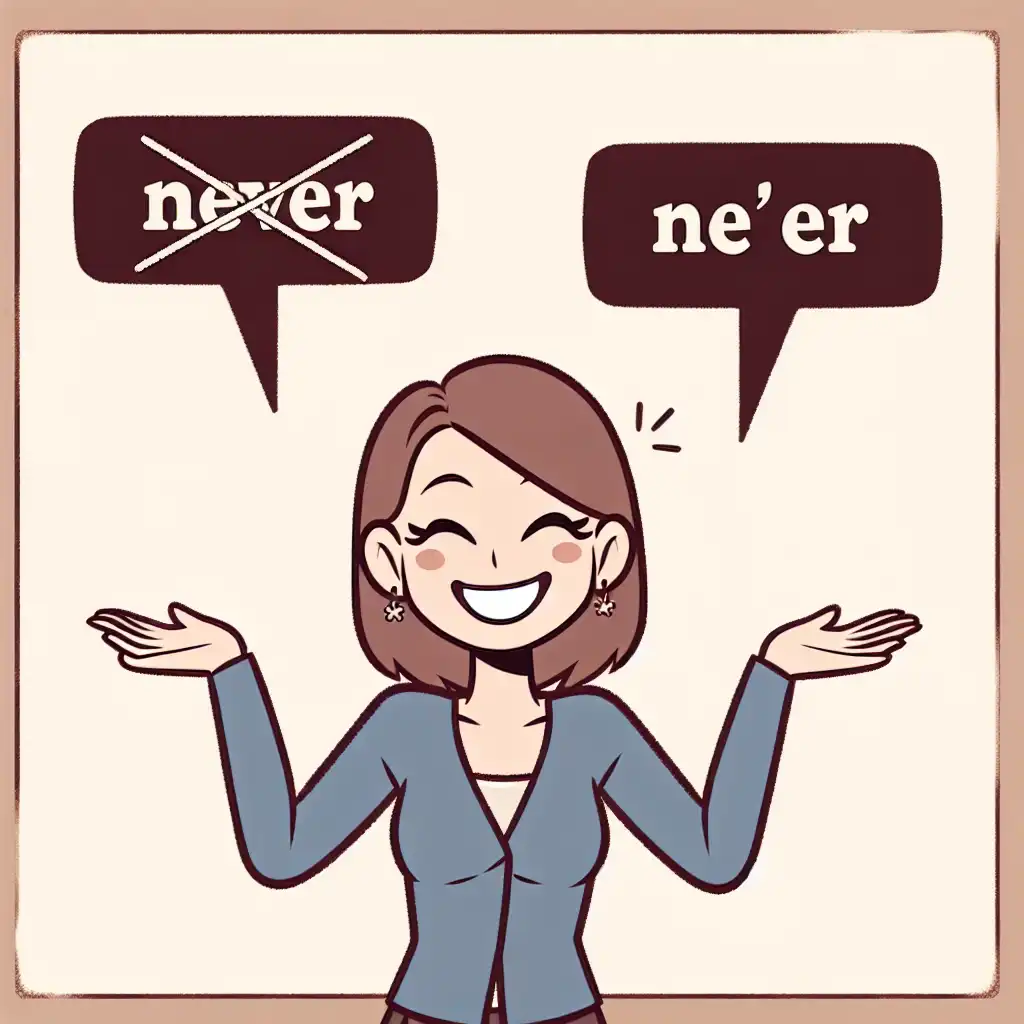
ˈsɪŋkəpi
The shortening of a word by omission of a sound, letter, or syllable from the middle of the word
In the word 'ne'er', as in the phrase 'ne'er do well', 'never' is shortened by syncope.

ˈsɪŋkəpi
Loss of a beat in music
The syncope gave the piece a jazzy, unexpected rhythm.
音频无法加载,请稍后再试。
'Syncope' is a medical term that refers to a temporary loss of consciousness or fainting. It can occur due to various reasons such as low blood pressure, dehydration, or heart problems. The word is mostly used in a medical context and is something that you may hear from a doctor or healthcare professional. If you ever experience syncope or know someone who does, it is important to seek medical attention.
Blackout is a temporary loss of consciousness or memory, usually caused by a sudden lack of oxygen to the brain.
Blackouts can also refer to a power outage that causes electrical devices and appliances to stop working.
A blackout is a loss of consciousness or memory caused due to lack of oxygen to the brain, while syncope is a sudden loss of consciousness caused by a lack of blood flow to the brain.
打开单词: Blackout →Collapse and syncope both refer to a sudden loss of consciousness or falling down.
However, collapse generally refers to a sudden drop in blood pressure, while syncope refers to a temporary loss of blood flow to the brain.
Collapse can be caused by many things, including dehydration, heat exhaustion, or heart problems.
打开单词: Collapse →Coma and syncope are two different medical conditions related to consciousness.
Coma is a state of deep unconsciousness where a person is unresponsive and cannot be woken up.
Coma is a serious condition and requires immediate medical attention.
Coma is a state of deep unconsciousness resulting from a serious medical condition affecting the brain, while syncope is a brief loss of consciousness caused by a drop in blood pressure or lack of blood flow to the brain.
打开单词: Coma →Dizziness refers to the feeling of being lightheaded, unbalanced, or disoriented. It is a sensation that can occur due to many reasons, such as anxiety, low blood sugar, dehydration, or medication side effects.
Dizziness is a feeling of disorientation, while syncope is a sudden loss of consciousness.
Dizziness can occur due to many causes, including dehydration and medication side effects, while syncope is often a result of issues with cardiovascular or autonomic nervous system functioning.
打开单词: Dizziness →Both faint and syncope refer to a sudden loss of consciousness, but syncope is a medical term used to describe fainting due to a temporary reduction of blood flow to the brain.
Faint can also describe a temporary loss of consciousness, but can be used more broadly to describe feeling weak or dizzy without actually passing out.
If someone feels lightheaded or dizzy but doesn't lose consciousness, you can say they're feeling faint.
打开单词: Faint →Both swoon and syncope refer to a temporary loss of consciousness or fainting.
However, swoon is a more informal and romantic term used to describe a brief loss of consciousness caused by intense emotions or excitement.
Syncope is applicable in medical situations and when someone faints, while swoon is more commonly used in literature and everyday conversations to describe a romantic or emotional fainting.
打开单词: Swoon →Unconscious refers to a state of being completely unaware and unresponsive to external stimuli. This can be caused by a variety of factors such as a head injury, drug overdose, or medical conditions such as a seizure or stroke.
Syncope is a temporary loss of consciousness due to a drop in blood flow to the brain, while unconsciousness refers to a complete lack of awareness and response to external stimuli.
打开单词: Unconscious →Syncope is a term used to describe a temporary loss of consciousness or fainting, while vertigo is a feeling of dizziness or spinning.
Syncope can be caused by a number of factors such as dehydration, low blood sugar, or heart problems, while vertigo can be caused by inner ear issues, migraine headaches or medication side effects.
Syncope refers to losing consciousness, while vertigo refers to feeling dizzy or unsteady.
打开单词: Vertigo →