
latency
noun latency
ˈleɪtənsi
The delay before something happens
There was a noticeable latency between her request and his response.
latency
ˈleɪtənsi
Cargando…
ˈleɪtənsi
The delay before something happens
There was a noticeable latency between her request and his response.

ˈleɪtənsi
The time it takes for a signal to travel from the source to the destination
The latency of our internet connection directly affects the speed at which we can download files.
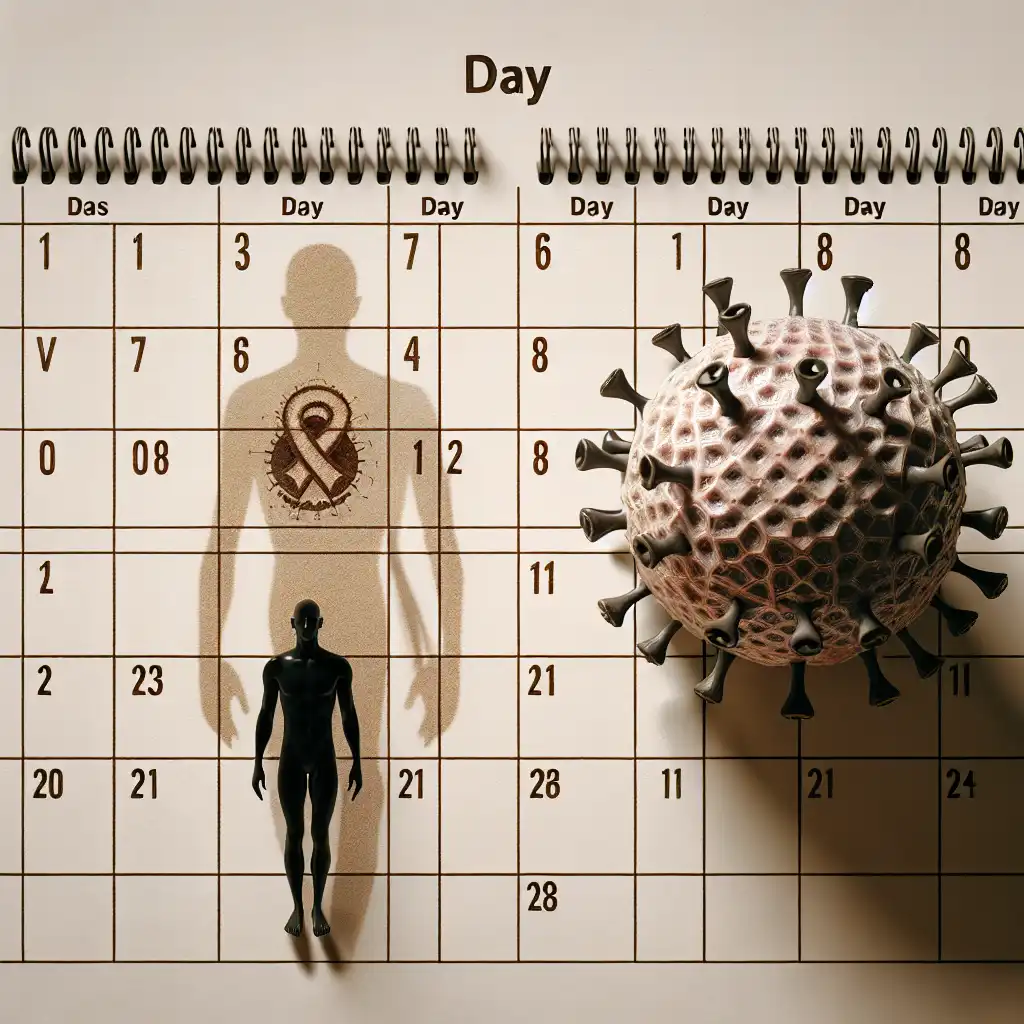
ˈleɪtənsi
The period of time that a disease takes to develop
The latency of this virus is typically between two and fourteen days.
No se pudo cargar el audio. Inténtalo de nuevo más tarde.
Latency is a technical term that refers to the delay that happens when something needs to be processed before it can happen. For example, when you play an online game, there can be a delay between when you do something on your controller and when that action shows up on the screen. This delay is called latency. In general, latency is most often used in discussions of technology or computer systems, and it's a way of describing how quickly or slowly something is able to work.
Delay refers to a pause or lack of progress in an action or process. It suggests that something is taking longer than expected to happen.
Latency, on the other hand, refers specifically to a delay in data transmission or processing. It is the time it takes for data to travel through a system, such as the internet or a computer, before it is received and processed.
Both words describe a delay, but delay is more general and can be used in any context, while latency is more specific to data and technology.
For example, a traffic jam can cause a delay in your commute, but latency can cause slow internet speeds or lag in online video games.
Delay is a general term for a pause or lack of progress, while latency specifically refers to delays in data transmission and processing.
Abrir palabra: Delay →Dormancy and latency are similar terms but have slight differences in their meaning.
Dormancy refers to a state of inactivity or rest in which an organism or plant slows down its metabolism to conserve energy.
Dormancy refers to a state of inactivity or rest, while latency refers to a dormant period before activity resumes.
Abrir palabra: Dormancy →Downtime refers to the period when a computer system is not available or operational. This can be due to maintenance, repairs, or other issues.
During downtime, users cannot access the system or use its services.
Downtime refers to when a system is completely down and not working, while latency refers to how long it takes for a system to respond to user requests.
Abrir palabra: Downtime →Inactivity refers to a lack of activity or motion. It is applicable in situations when something is not being used or is idle for a certain period of time.
For example, a computer screen that is not being touched or clicked for a few minutes is said to be in a state of inactivity.
Abrir palabra: Inactivity →Pause refers to a temporary cessation or interruption of something. This is a more general term that can be applied in a variety of contexts, such as music (a pause in the song), speech (a pause in the conversation), or work (taking a pause from work).
Latency is a specific term used in technical contexts to refer to time delays, while pause is a more general term used to refer to temporary interruptions or cessations.
Abrir palabra: Pause →Eric Whitacre: Virtual...
Ver en YouTube ↗Latency is very important when you think about autonomous cars and things like that - 5G will really change the game, and I think will be another spike of growth in the wireless industry.
How computer memory...
Ver en YouTube ↗Tomorrow lurks in us, the latency to be all that was not achieved before.
Essentially, we're always trying to reduce latency. As you try to reduce the latency of the experience, you can only get it down so far before we start running into the limitations of game engines, computing, the intensity of the experience you're trying to compute.