discoloration
noun discoloration
dɪsˌkʌləˈreɪʃn
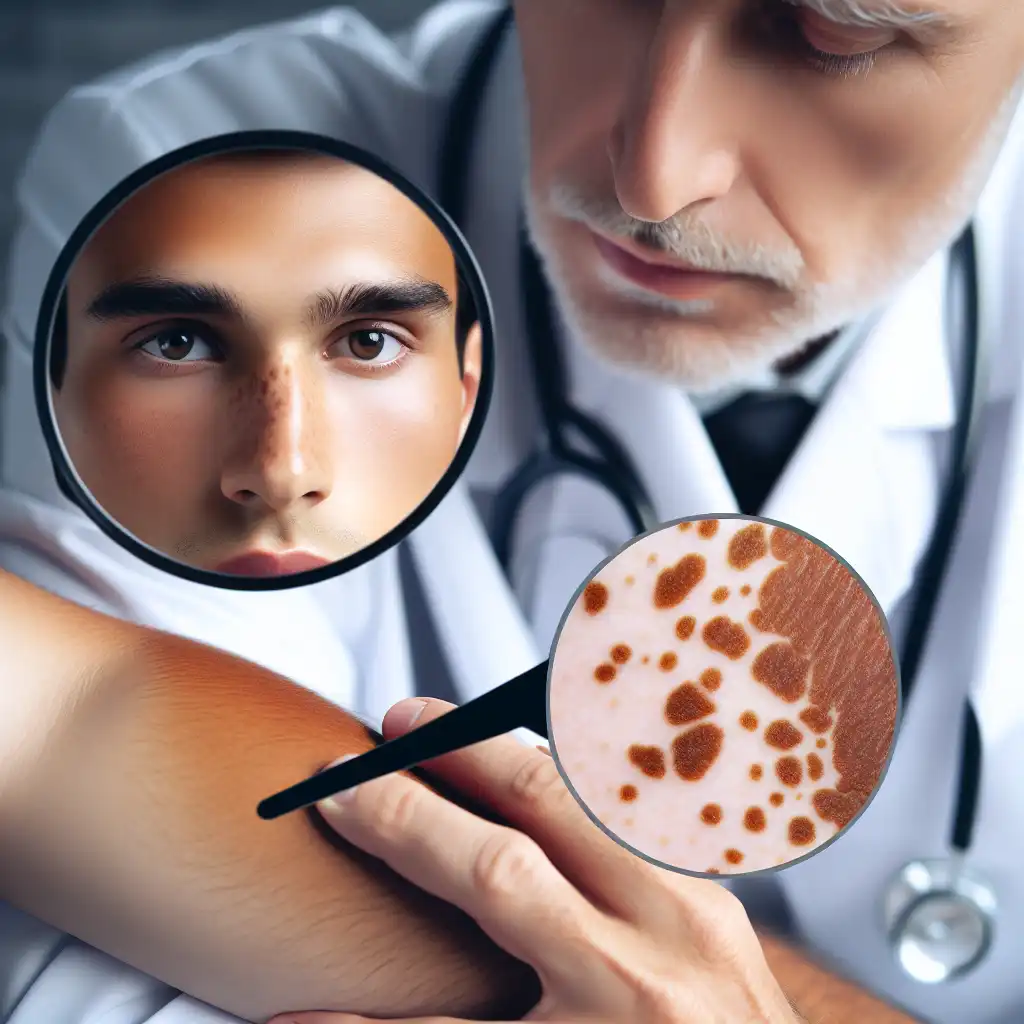
A change in color of an object or skin that makes it look unattractive or unhealthy.
The doctor was concerned about the discoloration of the patient's skin.
discoloration
dɪsˌkʌləˈreɪʃn
불러오는 중…
dɪsˌkʌləˈreɪʃn
A change in color of an object or skin that makes it look unattractive or unhealthy.
The doctor was concerned about the discoloration of the patient's skin.

dɪsˌkʌləˈreɪʃn
The process or state in which something becomes darker, particularly due to damage or poor condition.
The discoloration of the machinery indicated it was in dire need of maintenance.
dɪsˌkʌləˈreɪʃn
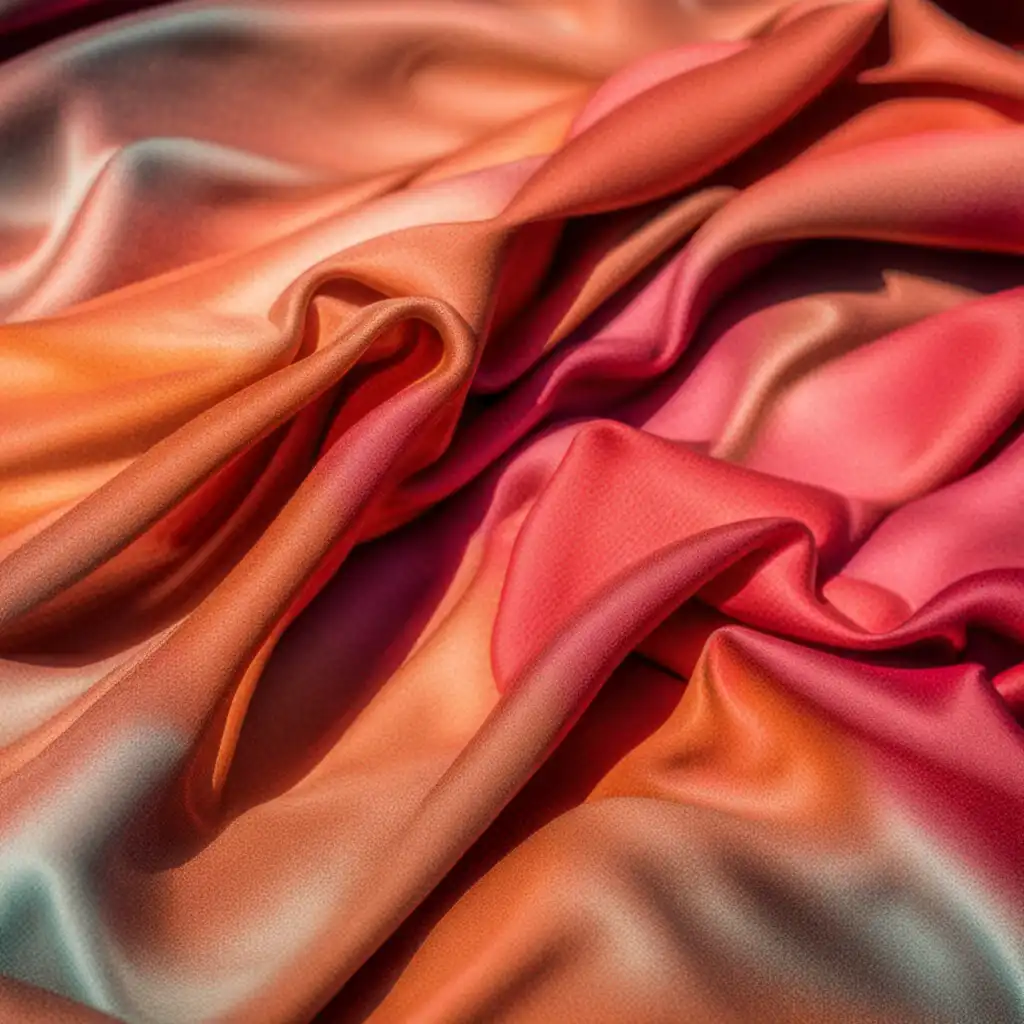
Loss of brightness in an object, usually as a result of exposure to light or heat.
The discoloration in the fabric was due to prolonged exposure to the sun.
오디오를 불러오지 못했어요. 잠시 후 다시 시도해 주세요.
Discoloration refers to a change in the color of something. This could be a stain on clothes or a patch of a different color on a wall. In medical terms, it could refer to a change in the skin color, indicating a health issue. The word is often used when something loses its original color or develops an unnatural discoloration. It can be used in everyday conversation or in a more technical context.
Bleach is a substance that is used to remove color from something, typically by making it lighter or white. It is mostly used for cleaning and disinfecting surfaces, clothes, or hair.
It is a general term used to describe any change in color, whether it becomes lighter, darker, or just different. For example, a white shirt can be bleached to make it even whiter, while discoloration may occur on a white shirt due to sweat or exposure to sunlight, making it appear yellow or gray.
단어 열기: Bleach →A blotch is a spot or patch that is noticeably different from its surroundings due to its color or texture. It is generally caused by an external agent, such as a stain or a rash.
Blotch describes a specific and prominent area of discoloration or patchiness, whereas discoloration is a more general term that encompasses a wide range of color changes.
For example, a red rash on the skin could be described as a blotch, whereas the overall yellowing of an old photograph would be referred to as discoloration.
단어 열기: Blotch →Dull refers to something that is lacking in brightness or shine.
So, basically, discoloration is a change in color, while dull refers to something losing its brightness or shine. Both words can describe changes in appearance, but they refer to different aspects of that change.
단어 열기: Dull →Fade refers to a gradual loss of color or brightness over time.
It can happen due to exposure to sunlight or other elements. For example, if you have a colorful poster on your wall, the colors may fade over time from being exposed to sunlight.
Discoloration is usually a sudden change due to an external factor, while fade is a gradual change due to the aging process.
단어 열기: Fade →Mark refers to a visible indication, often a small blemish or spot, that could be caused by anything from a scratch to a stain.
Discoloration is typically used to describe a broader area of discoloration, whereas mark describes a specific, smaller spot or blemish.
단어 열기: Mark →A spot refers to a small mark or blemish on something.
It is usually a specific area that is different in color or texture than the surrounding area. For example, a chocolate stain on a white shirt is a spot.
Spots are typically caused by spills or stains.
Discoloration is a general change in color, while a spot refers to a specific mark or blemish.
Discoloration can occur naturally over time or from exposure to external factors, while a spot is usually caused by something spilling or staining.
단어 열기: Spot →Stain refers to a substance that has been added to something and has caused a mark that is hard to remove.
Stains can come from spills or other sources and can be difficult to remove.
Discoloration is a change in color that may not be intentional or removable, while a stain is a mark caused by a substance that may be removable with cleaning.
단어 열기: Stain →Tarnish refers specifically to the discoloration of metals caused by a chemical reaction with external substances, such as the sulfur in the air.
It commonly happens to metals such as silver or copper, and results in a dull or darkened appearance. For example, a silver bracelet may tarnish over time and appear blackened rather than shiny.
Discoloration is a general term for a change in color of any material, while tarnish specifically refers to the discoloration of metals caused by a chemical reaction.
단어 열기: Tarnish →Becci Manson:...
YouTube에서 보기 ↗I used to have terrible acne on my face: red, splotchy discoloration. And mucus - I was constantly blowing my nose. Then one day, this woman sits down next to me on a bus, and says, 'You're lactose-intolerant.' It all cleared up in three days. That changed my life. Doctors couldn't figure it out.
Safari Live - Day 12 %\PIPE%...
YouTube에서 보기 ↗A curable condition that...
YouTube에서 보기 ↗