
nabob
noun nabob
ˈneɪbɑːb
A person who is very wealthy or powerful
The town was filled with nabobs who made their fortunes in the tech industry.
nabob
ˈneɪbɑːb
Đang tải…
ˈneɪbɑːb
A person who is very wealthy or powerful
The town was filled with nabobs who made their fortunes in the tech industry.
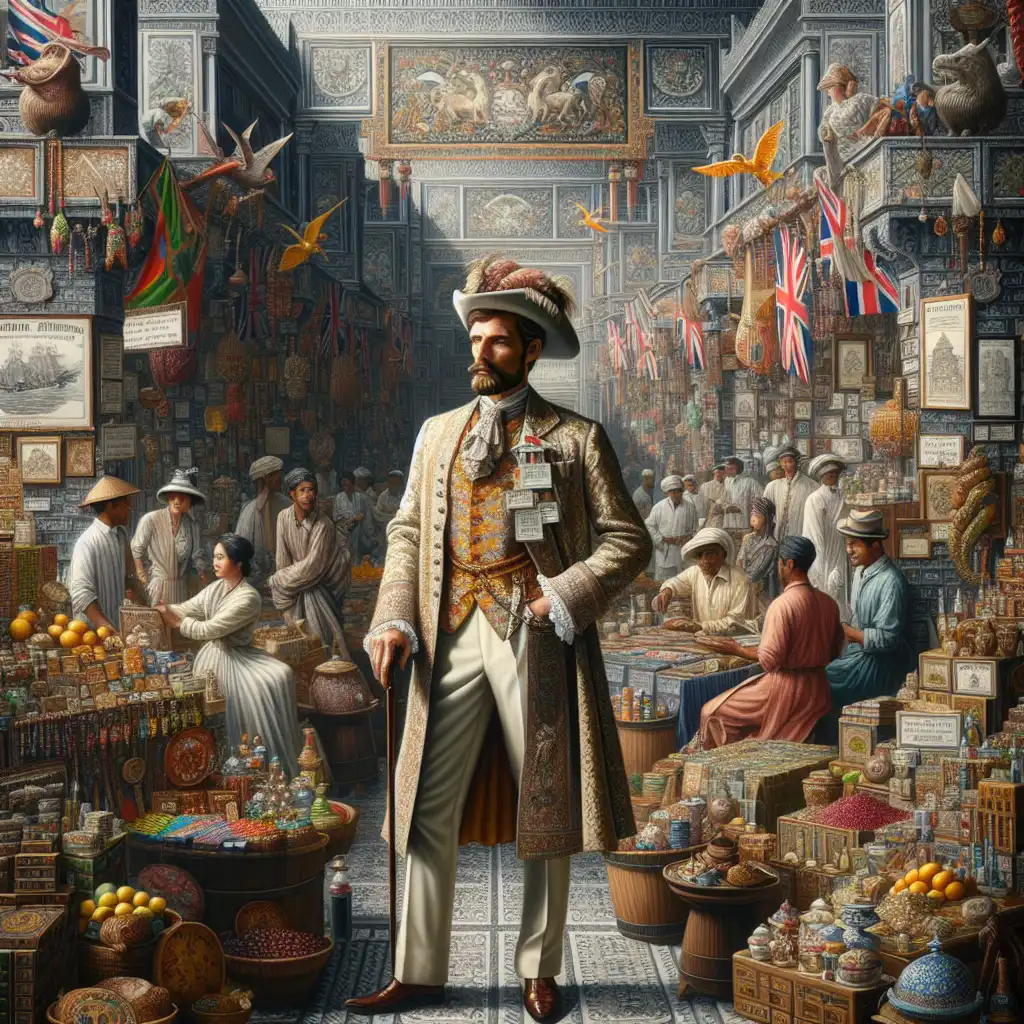
ˈneɪbɑːb
An important person in India, especially one who made a large amount of money there in the past
During the British Raj in India, the imported goods were usually bought by the nabobs.
Không tải được âm thanh. Vui lòng thử lại sau.
The word nabob is an old-fashioned term that means a very wealthy or important person, similar to a tycoon or a magnate. It is often used in a historical or literary context, such as referring to a wealthy merchant or government official during colonial times in India. Nowadays, the word is not commonly used in everyday conversations and is mostly seen in books or movies set in the past.
A baron is a member of the nobility or aristocracy, typically holding land or a grand title.
Baron is a term used to describe a nobleman who has inherited his title through his family line in European countries. While a nabob is a term used to describe a wealthy merchant or explorer who managed to earn large sums of money through their travels, often associated with India in the 18th century.
A baron is a member of the aristocracy, while a nabob is a wealthy individual who gained their wealth through business ventures.
Mở từ: Baron →An entrepreneur is a person who starts and runs a business, taking on financial risks in the hope of making a profit. Entrepreneurs are known for their innovative ideas and ability to create new and successful businesses.
Therefore, while an entrepreneur is someone who creates a business and takes on risks to achieve success, a nabob is someone who may have inherited wealth or gained their influence through other means.
The term entrepreneur is more applicable to the business world, while the term nabob is typically used to describe individuals who have significant power and wealth in society.
Mở từ: Entrepreneur →Industrial refers to the production of goods and the manufacturing process.
Industrial is applicable to things related to manufacturing and production, while nabob is applicable to people who are wealthy and influential.
Mở từ: Industrial →Both magnate and nabob refer to a wealthy and powerful person, but magnate usually refers to someone who became successful through business or industry, while nabob usually refers to someone who gained their wealth through colonialism, particularly in India.
Magnate is the more commonly used term, while nabob is more old-fashioned and literary.
Mở từ: Magnate →A millionaire is a person who has at least one million dollars worth of assets or income. This term describes someone who has a significant amount of wealth.
Overall, while both terms refer to wealthy individuals, millionaire focuses on personal wealth and nabob focuses on both influence and wealth.
Mở từ: Millionaire →The words mogul and nabob both refer to powerful and wealthy individuals, but they are used in slightly different contexts.
Mogul typically refers to a person who is a successful business leader or entrepreneur, often in the entertainment or media industries.
Celebrities like Oprah Winfrey or Elon Musk could be considered moguls.
Mogul is used to refer to successful business leaders and entrepreneurs, while nabob is used to refer to wealthy individuals who obtained their wealth through exploitation or foreign power.
Mở từ: Mogul →The term tycoon usually refers to a person who has achieved great success and wealth in business, industry or finance.
Both words refer to people who have great wealth and power, but nabob is an older term and more limited in its scope of use, while tycoon is more commonly used to describe successful business people in modern times.
Mở từ: Tycoon →Lions: Cute Cubs to Apex...
Xem trên YouTube ↗Paul Collier's new rules...
Xem trên YouTube ↗