Impossible de charger l’audio. Réessayez plus tard.
Comment l’utiliser
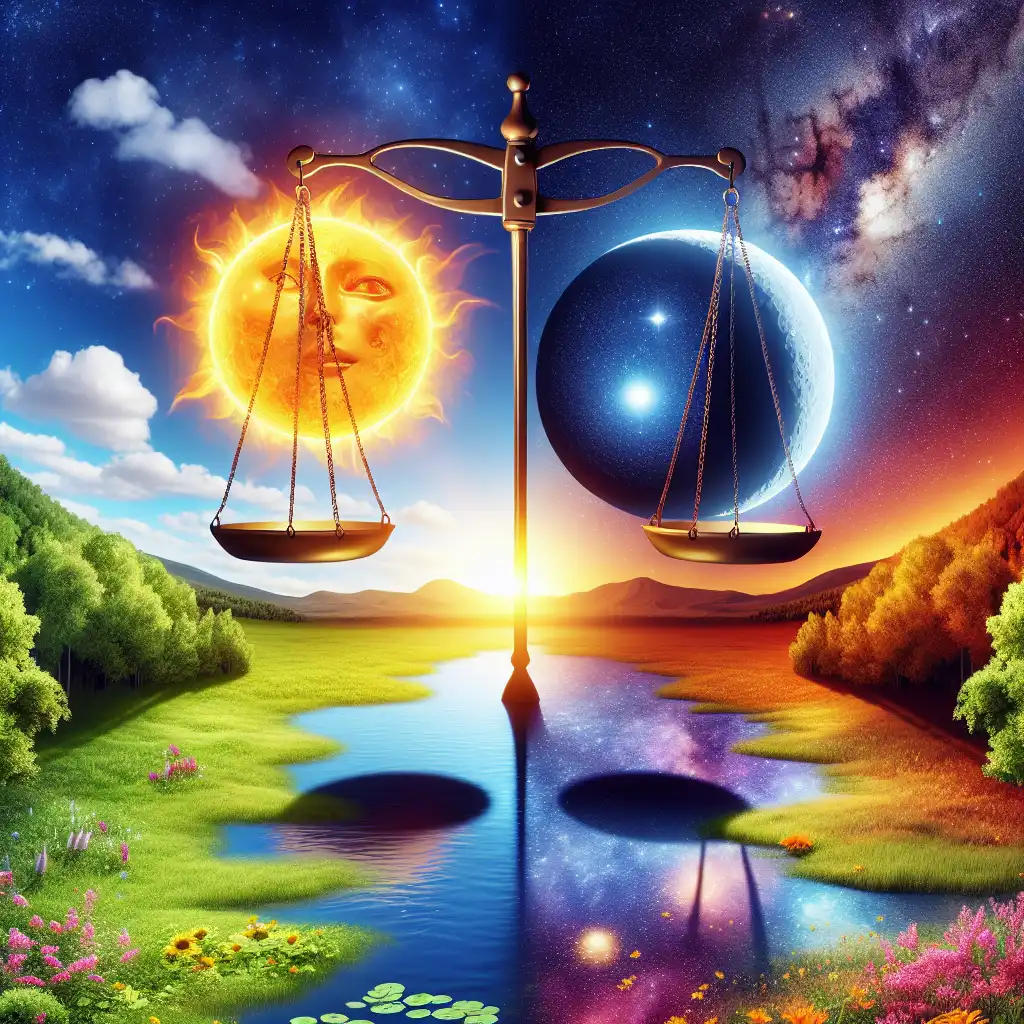
The word 'equinoctial' is used to describe things related to either the spring or the autumn equinox. The equinox is the time when the day and night are of equal length. So, you can use this word to describe the time of the year when this happens or things that occur during that time. For example, "The equinoctial weather is always unpredictable" means that the weather during the spring or autumn equinox is always hard to predict. Or, "We will celebrate the equinox with a special equinoctial feast" means that they will celebrate the day of equal length with a special meal.
Astronomical refers to anything related to astronomy, which is the scientific study of celestial objects and phenomena.
In summary, while astronomical is a more general term that can be applied to many different topics within astronomy, equinoctial is a more specific term that refers to a particular event that occurs twice a year.
Both equatorial and equinoctial refer to imaginary lines that circle the Earth.
Equatorial relates to the equator, an imaginary line that runs horizontally around the middle of the Earth, dividing it into the Northern Hemisphere and the Southern Hemisphere.
The term equatorial relates to the equator, and equinoctial relates to the two days of the year when the sun is directly above the equator.
Geographical relates to the study of the physical features, climate, and natural resources of the earth's surface.
In summary, while equinoctial refers to the earth's rotation and the imaginary circle that divides it, geographical relates to the study and description of the earth's surface and its features.
Orbital refers to the path one object takes around another object in space. This is specifically applicable to objects that are orbiting, such as planets orbiting around the sun.
Equinoctial is related to the times of the year when day and night are of equal length or the equator itself, while orbital is related to the path an object takes around another object in space.
It can also refer to regions near the equator. Territorial refers to regions or areas that are under the control of a specific group, such as a country or government.
It can describe various types of land, such as a state, province, or territory. Simply put, equinoctial refers to a specific time of year related to the equator, while territorial refers to a geographic area controlled by a group.