No se pudo cargar el audio. Inténtalo de nuevo más tarde.
Cómo se usa
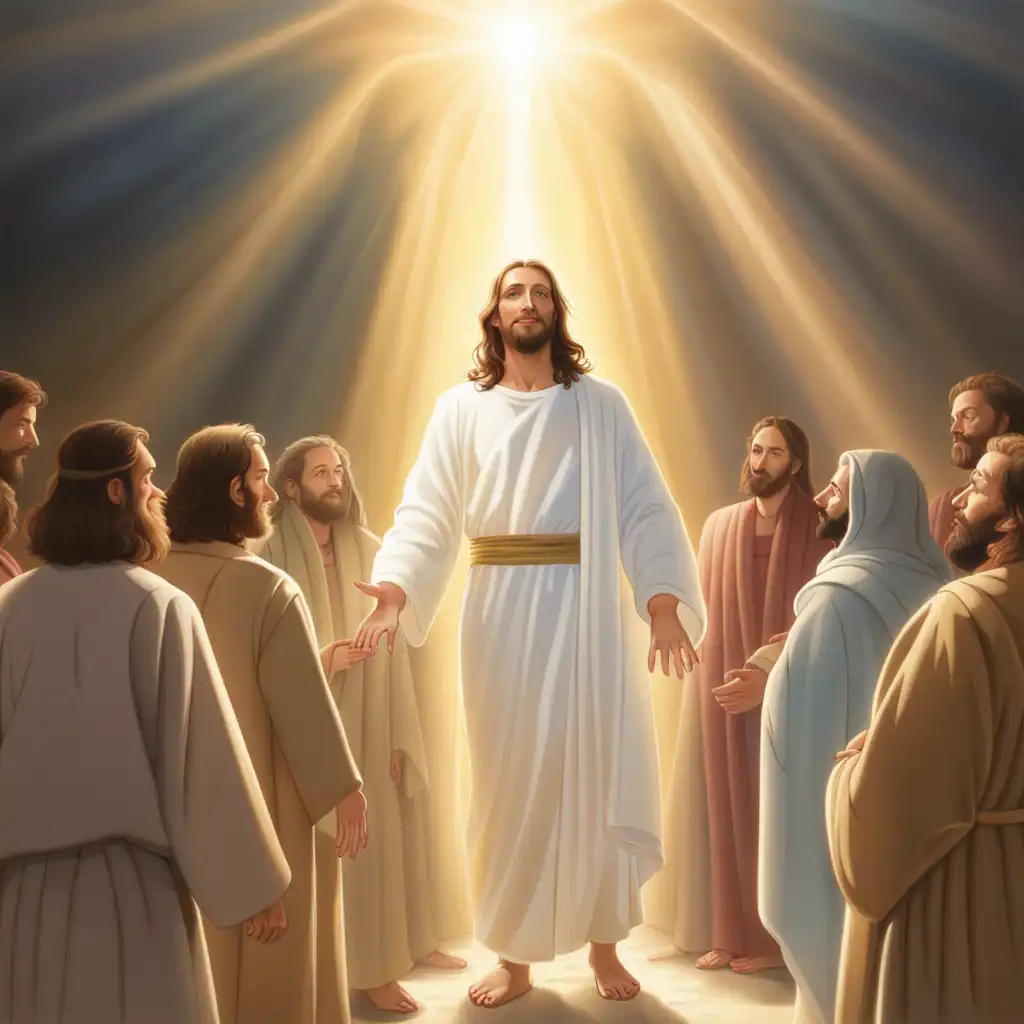
To transfigure means to change the appearance or form of something or someone into a more beautiful or impressive one. It can also mean to transform someone's character or personality. This word is often used when talking about a sudden or dramatic change, especially one that seems miraculous or supernatural. For example, in religious contexts, Jesus was said to have transfigured in front of his disciples, meaning that he suddenly became more radiant and holy. In everyday language, you might use transfigure to describe a beautiful painting that transforms a drab room into a work of art, or a person's confidence that transforms their outlook on life.
Alter means to change or modify something, usually in a small or gradual way.
This word can refer to both physical objects and abstract ideas or concepts. For example, if you alter your outfit, you might change your shirt or pants.
If you alter your plans, you might adjust your schedule or change your destination.
Alter indicates a small or gradual change while transfigure indicates a complete and dramatic change. Alter is applicable in situations where a small change is needed, while transfigure is used when a complete or radical change is necessary.
Change means to make or become different or to alter something. It is a general term used to describe any kind of modification or transformation.
Transfigure means to change the form or appearance of something completely. It implies a more significant, magical or miraculous shift in form or nature.
For example, if you dye your hair a different color, it's a change. But if you were to suddenly grow wings and fly away, that would be a transfiguration.
Change is applicable in many scenarios where something is modified or adapted, while transfigure is more suited for situations where there's a dramatic transformation or change that is almost magical in nature.
Convert means to change something from one form or state to another, usually in a more substantial way. For example, one might convert a garage into a living space, or convert a non-believer to a particular religion.
Both words have to do with change, but convert is more general and practical, while transfigure implies a more dramatic or miraculous transformation.
Convert is applicable in a wide variety of contexts, such as home renovation or religious faith, while transfigure is more often used in a spiritual or religious context.
The phrase make over refers to the act of transforming or changing something or someone, usually in terms of appearance.
In simpler terms, make over means to change someone or something's appearance, while transfigure means to completely transform them in a more profound and spiritually significant way.
Metamorphose and transfigure are both words that describe a process of change or transformation, but they are used in slightly different contexts.
Metamorphose usually refers to a transformation or change in physical form or appearance. For example, a caterpillar metamorphoses into a butterfly, or a frog metamorphoses from a tadpole into an adult.
Metamorphose describes a physical transformation, while transfigure describes a spiritual or moral transformation.
Transfigure and transform both mean to change something, but there are slight differences in their meanings.
It is often associated with religious or mythological stories, where a person or object is transformed in a miraculous or spiritual manner.
Transform means to change something from one state or form to another, often through a process of gradual or deliberate change.
It can refer to physical, chemical, or abstract changes, and can be used in many contexts. For example, a caterpillar transforms into a butterfly through a process of metamorphosis, and a business can transform its operations to become more efficient and profitable.
Transfigure refers to a drastic or supernatural change in appearance, while transform refers to a gradual or deliberate change in form or state.
To holy people the very name of Jesus is a name to feed upon, a name to transport. His name can raise the dead and transfigure and beautify the living.
A writer starts out, I think, wanting to be a transfiguring agent, and ends up usually just making contact, contact with other human beings. This, unsurprisingly, is not enough.
The houses of Heaven are God-built and are as enduring and incorruptible as their builder. We will have bodies after the resurrection; transfigured they will be after the model of Christ's glorious body.
When The Fall pummeled their way into my nervous system, circa 1983, it was as if a world that was familiar - and which I had thought too familiar, too quotidian to feature in rock - had returned, expressionistically transfigured, permanently altered.