outflank
verb outflank
ˌaʊtˈflæŋk
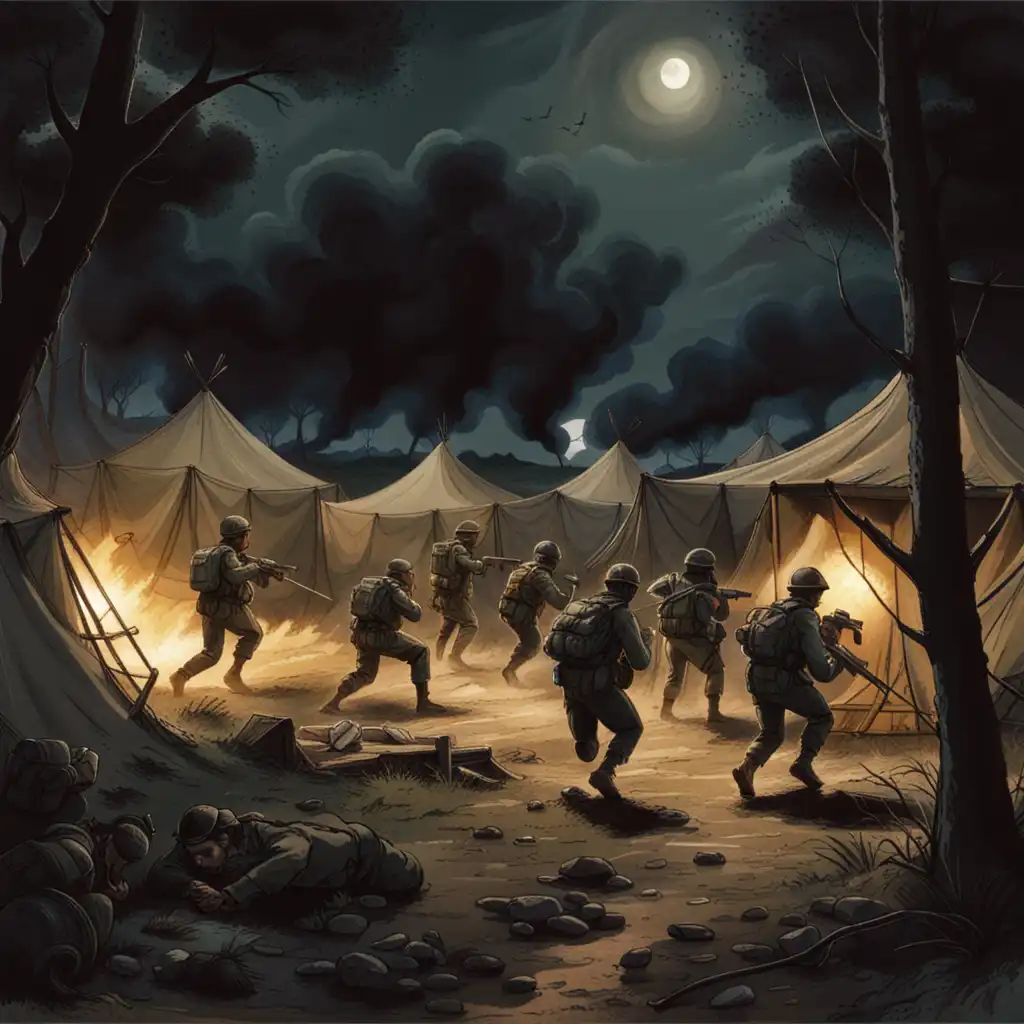
To move around the side of an enemy and attack them from behind or from the side.
The soldiers managed to outflank their enemies during the night.
outflank
ˌaʊtˈflæŋk
लोड हो रहा है…
ˌaʊtˈflæŋk
To move around the side of an enemy and attack them from behind or from the side.
The soldiers managed to outflank their enemies during the night.

ˌaʊtˈflæŋk
To get an advantage over someone by acting before they do or by being more clever.
The company managed to outflank its competitors in the market by launching an innovative product.
ˌaʊtˈflæŋk
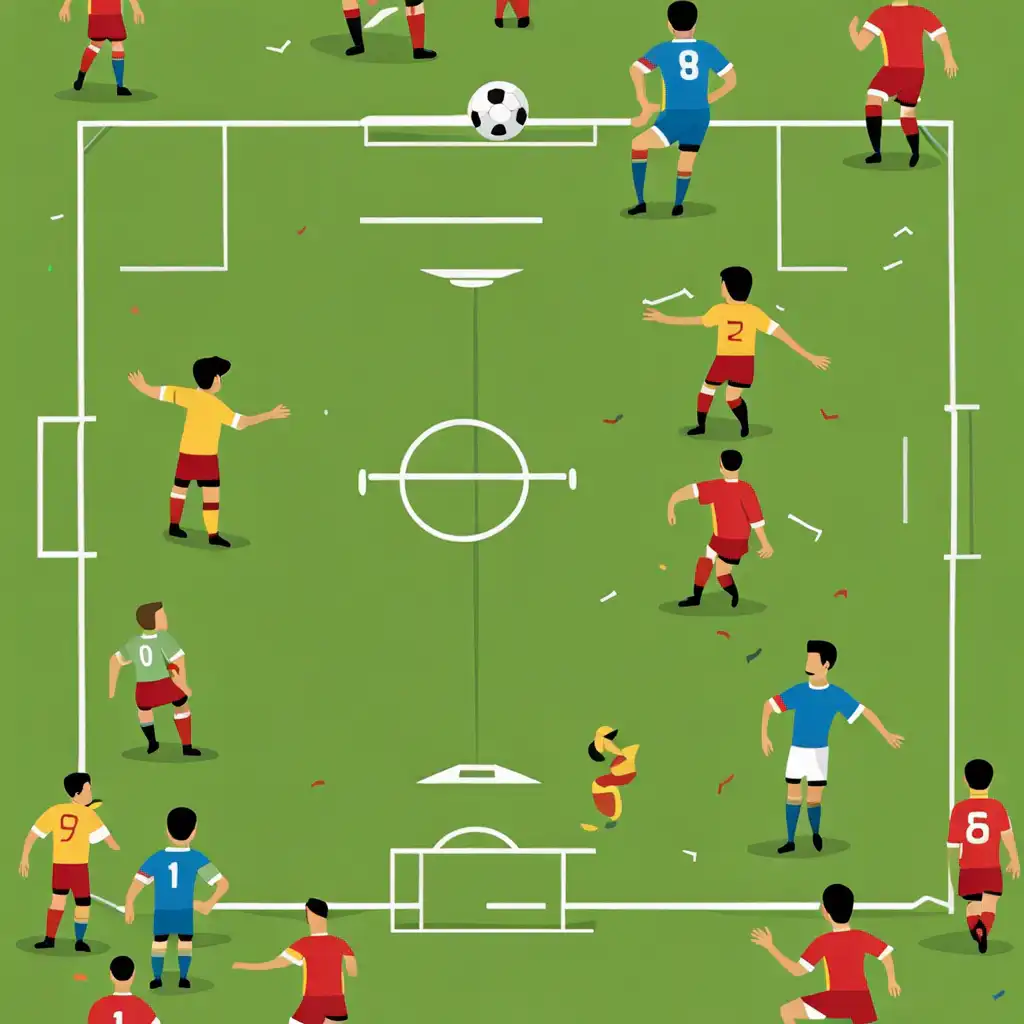
In sports, to play in a way that avoids an opponent's strengths or exploits their weaknesses.
The team tried to outflank their rivals by targeting their weaker players.
ऑडियो लोड नहीं हो सका। कृपया बाद में फिर कोशिश करें।
The word 'outflank' means to gain an advantage over someone by attacking them from an unexpected or better position. For example, if you are playing a game of chess and you move your pawn to a position that can attack your opponent's king, you are outflanking them. The word can also be used in a military context, where one army might outflank another by attacking them from the side or from behind. In everyday language, the word can be used more metaphorically to describe the act of gaining an advantage over someone by thinking ahead and choosing a better position or strategy.
Best means to be better than all others in a particular aspect or area.
To summarize, best is applicable when comparing things or people to identify the most outstanding one, while outflank is only applicable in a military or strategic sense when plotting to gain an advantage over an opponent.
शब्द खोलें: Best →Exceed refers to going beyond a certain limit or surpassing a particular measure or expectation. For example, if a student exceeds their teacher's expectations by getting an A instead of a B, it means they have done better than expected.
Exceed is used to indicate going beyond a limit or expectation, while outflank describes gaining an advantage by moving around a position.
शब्द खोलें: Exceed →"Outwit means to gain an advantage by being smarter or more cunning than an opponent. This is applicable in situations where there is a competition of wits, such as in chess or debates, or in situations where one needs to outsmart a person who is trying to deceive, trick or harm them.
In simple words, outflank includes the strategy of surrounding an opponent and outwit refers to the strategy of being more clever than one's opponent.
शब्द खोलें: Outwit →Overcome means to successfully deal with or defeat a challenge or obstacle. It is applicable in personal or professional contexts.
For example, a person can overcome their fear of public speaking by practicing and gaining confidence, or a team can overcome a difficult project by managing their time and resources effectively.
शब्द खोलें: Overcome →Override means to use one's authority or power to overrule someone or something else.
Outflank is used when talking about strategically maneuvering around something, while override is used when talking about using authority to make a decision or change.
शब्द खोलें: Override →Surpass means to exceed, be better or greater than someone or something else.
Outflank is applicable in the context of warfare whereas surpass can be used in any situation where there is a comparison to be made.
शब्द खोलें: Surpass →Top can have multiple meanings, but in this context, it means to surpass or exceed something or someone.
It can be used in various contexts, such as sports or academics. For example, a runner can top their personal best time in a race.
Outflank is used in a military context to gain an advantage by attacking from the side, while top is used more generally to mean surpassing or exceeding something or someone.
शब्द खोलें: Top →Being a unique superpower undermines the military intelligence of strategy. To think strategically, one has to imagine oneself in the enemy's place. If one cannot do this, it is impossible to foresee, to take by surprise, to outflank. Misinterpreting an enemy can lead to defeat. This is how empires fall.