vivace
adverb vivace
vɪˈvɑːtʃeɪ
In music, played lively and fast
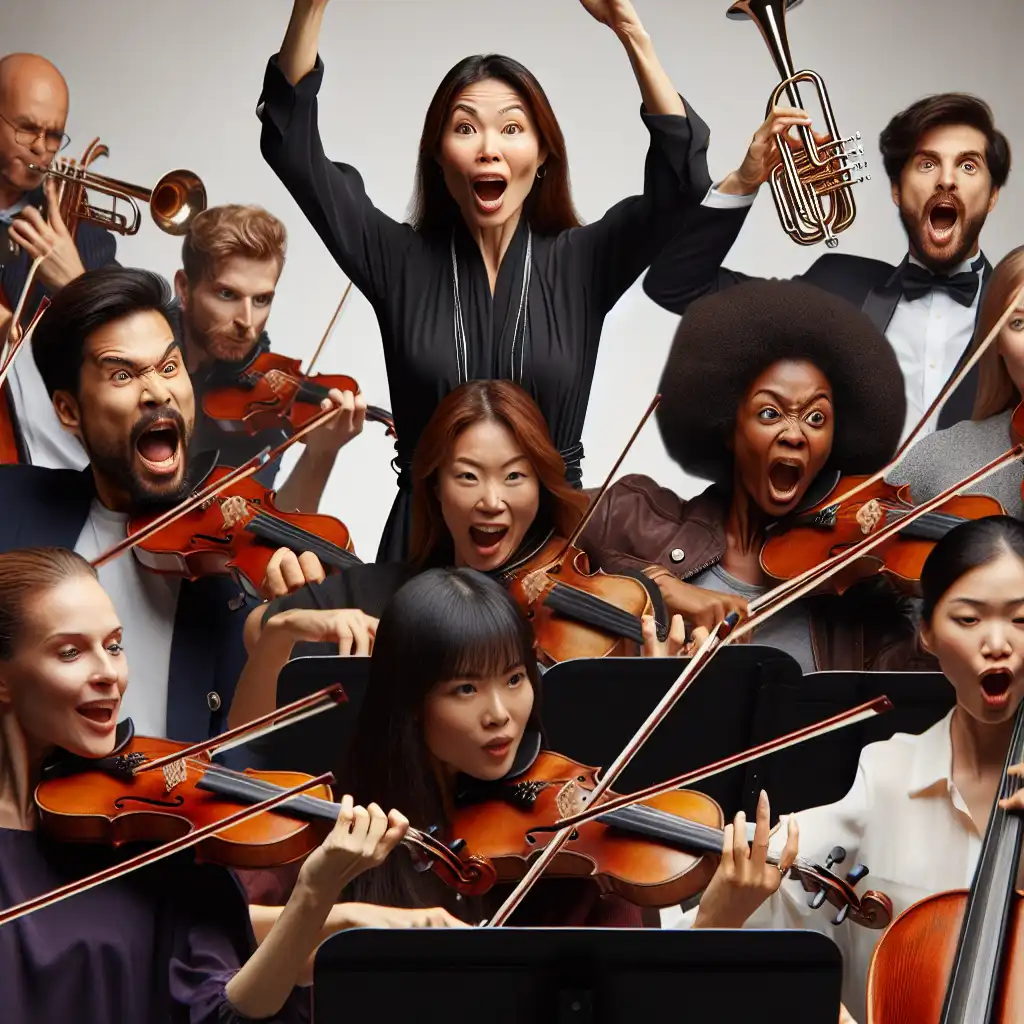
The conductor asked the orchestra to play the piece 'vivace' to add some excitement.
vivace
vɪˈvɑːtʃeɪ
Đang tải…
vɪˈvɑːtʃeɪ
In music, played lively and fast
The conductor asked the orchestra to play the piece 'vivace' to add some excitement.
vɪˈvɑːtʃeɪ
In music, used to describe a brisk and lively tempo
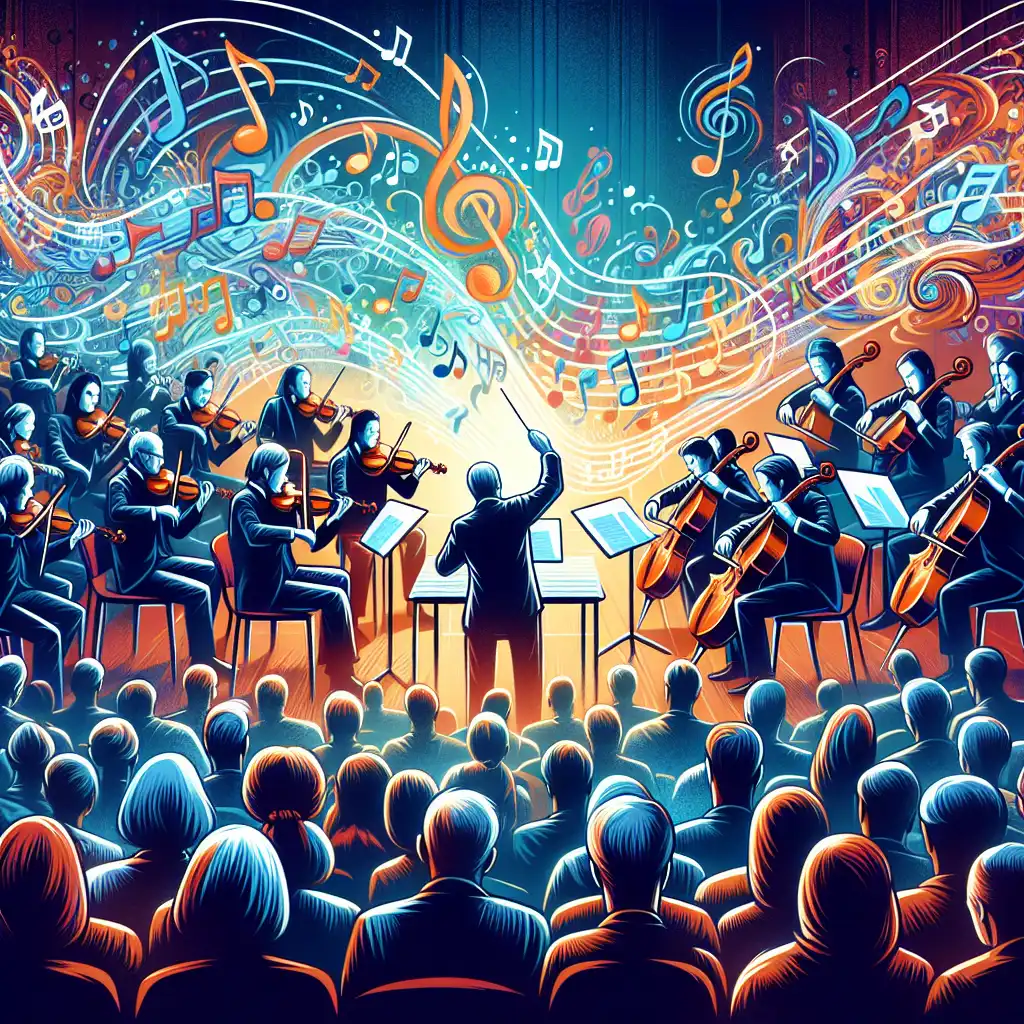
The 'vivace' section of the symphony was thrilling.
Không tải được âm thanh. Vui lòng thử lại sau.
Vivace is an Italian musical term that means "lively" or "quick". It is used to describe the tempo or speed of a piece of music. For example, if a piece of music is marked "vivace", it means that it should be played or sung quickly and energetically. Vivace can also be used as an adjective to describe the character or style of a piece of music. For instance, a song may be described as having a vivace rhythm or melody, which would mean that it is lively and uptempo.In everyday conversation, vivace can also be used to describe a person's energetic and lively personality. So, if someone is described as being vivace, it means that they are full of energy and enthusiasm.Overall, vivace is a musical term that is used to describe tempo and character, and can also be applied to people's personalities to describe their liveliness and energy.
Active refers to a state of physical or mental exertion, indicating movement or engagement in some activity.
It can describe a person who is energetic, involved, or on the go, as well as anything that is in motion or actively functioning.
Active is a word used more generally to describe physical or mental states of activity, while vivace is a more specific, musical term that refers to a lively or brisk tempo.
Mở từ: Active →Animate means to give life or energy to something that was previously lacking in life or energy. For example, you might say that a lively song animated the audience and got them dancing.
Animate means to bring life or energy to something, while vivace describes something as lively or fast-paced.
Mở từ: Animate →Brisk means to be active, energized or quick in movement or action. For example, when one is walking at a quick pace, it can be described as brisk.
Brisk describes physical activity while vivace describes the tempo of a musical piece.
Mở từ: Brisk →Both words, dynamic and vivace, are used to describe a lively and energetic feeling or movement.
However, dynamic is a more general term that describes any kind of movement or change, while vivace is specifically used in music to indicate a fast and cheerful tempo.
If you're describing a sports game or a person's personality, you might use dynamic, while if you're talking about a piece of music, you might use vivace.
Mở từ: Dynamic →Energetic means having lots of energy; being lively, enthusiastic and full of vitality.
To simplify, energetic describes a person or thing that has a lot of energy and liveliness, while vivace describes a fast and lively tempo in music.
Mở từ: Energetic →Lively refers to something that is full of energy or excitement.
Vivace is a musical term that indicates a fast and lively tempo.
So, while lively can be used in a variety of contexts, vivace is more specific and is only used in relation to music.
Mở từ: Lively →Spirit refers to a person's energy, enthusiasm, or overall character.
It describes the tempo or speed of a piece of music. Spirit is applicable to describing a person's attitude or mood, while vivace is applicable to describing the pace or feeling of a piece of music.
Mở từ: Spirit →Sprightly means lively and full of energy.
Sprightly describes a person's energy or behavior, while vivace describes the tempo of a piece of music.
Mở từ: Sprightly →Sharks Discovered Inside...
Xem trên YouTube ↗