inoperative
adjective inoperative
ɪnˈɑːpərətɪv
Not working or not able to function
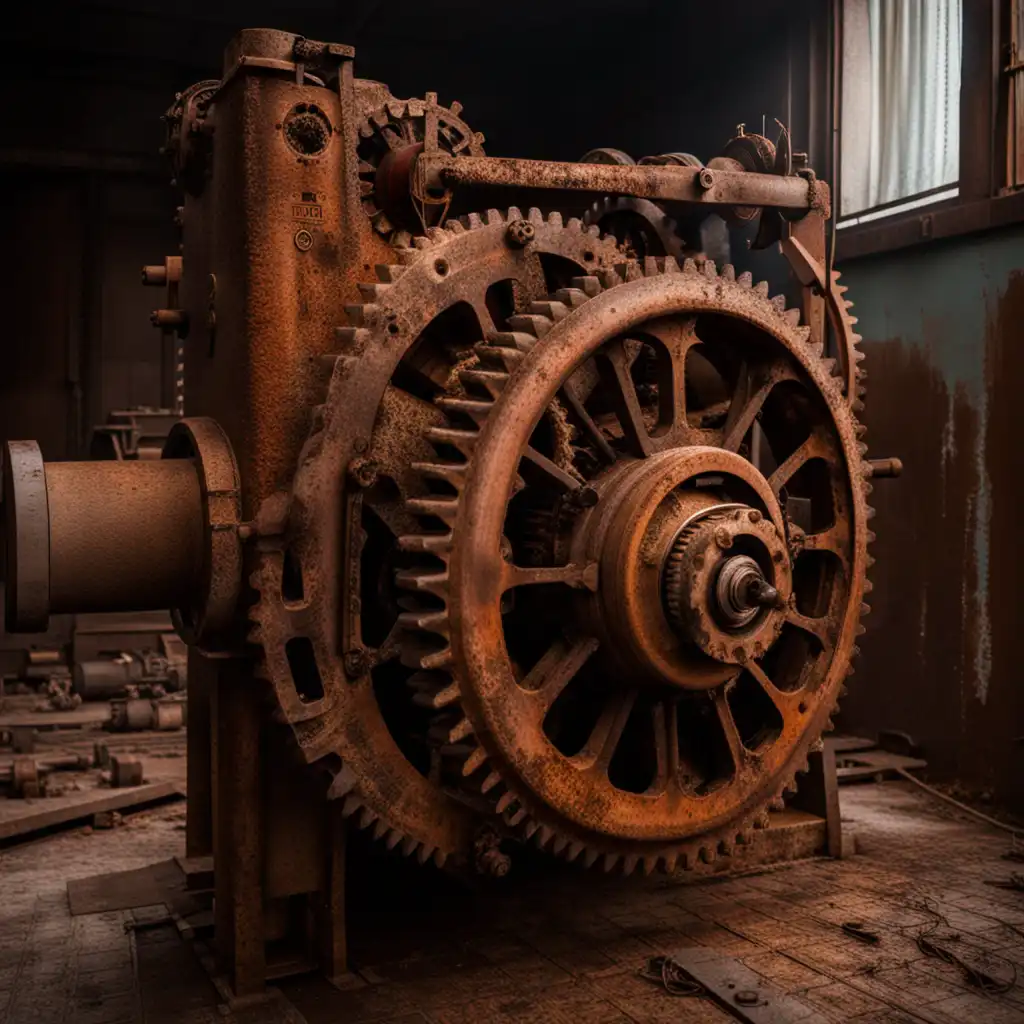
The ancient machinery is now totally inoperative.
inoperative
ɪnˈɑːpərətɪv
Chargement…
ɪnˈɑːpərətɪv
Not working or not able to function
The ancient machinery is now totally inoperative.

ɪnˈɑːpərətɪv
Not in effect or operation legally or politically
The treaty became inoperative once the country withdrew.
Impossible de charger l’audio. Réessayez plus tard.
The word 'inoperative' is used to describe something that is not working or functioning properly. It can be used to describe a machine or equipment that is broken, or a system that is not operating as it should. For example, if a car's engine is not working, it can be described as inoperative. Similarly, if an elevator is not functioning properly, it can be described as inoperative. The word is often used in technical or formal settings and may not be commonly used in everyday conversation.
Dormant means something is temporarily inactive or sleeping, but still has the potential to become active again in the future.
For example, a volcano is considered dormant if it is not erupting, but could potentially erupt again someday.
Dormant refers to something that is inactive but has the potential to become active again, while inoperative refers to something that is not functioning and is unlikely to function without repair.
Ouvrir le mot: Dormant →Idle refers to something that is not active or being used at the moment, but is still capable of being used.
For example, an engine that is running but the car is stopped at a red light is considered idle.
Idle means not being used but still functioning, while inoperative means not functioning at all.
Ouvrir le mot: Idle →Ineffective means not producing the desired effect or result. It is applicable when something fails to achieve its intended purpose.
For example, a medicine that does not cure the illness for which it was prescribed is ineffective.
Ouvrir le mot: Ineffective →Inoperative means something is not functioning or cannot work due to a lack of power or because it is broken. For example, a machine may be inoperative if it is not working due to a technical issue, or a car may be inoperative if it is broken down and cannot be driven.
Power refers to the ability to do or act upon something.
It can be physical power, such as the ability to lift heavy objects, or it can be metaphorical power, such as the ability to influence others to make decisions.
Power can also refer to the electrical energy used to run machines or appliances.
Inoperative means something is not working, while power refers to the ability to do something. They are applicable in different contexts, with inoperative being more typically used in mechanical or technical situations, and power being used in a broader range of contexts, including politics, social issues, and personal relationships.
Ouvrir le mot: Power →Productive means something that produces or achieves results.
For example, a car that is not working is inoperative, while a factory that manufactures shoes is productive. Inoperative describes something that doesn't work, while productive describes something that works well and produces results.
Ouvrir le mot: Productive →Useless means having no use or not able to fulfill its intended purpose. For example, if a person has a broken pen that cannot be fixed, it is useless because it cannot be used to write.
Inoperative is used when something is not working, and useless is used when something has no practical use or value.
Ouvrir le mot: Useless →This is the operative statement. The others are inoperative.