steamer
noun steamer
ˈstiːmər
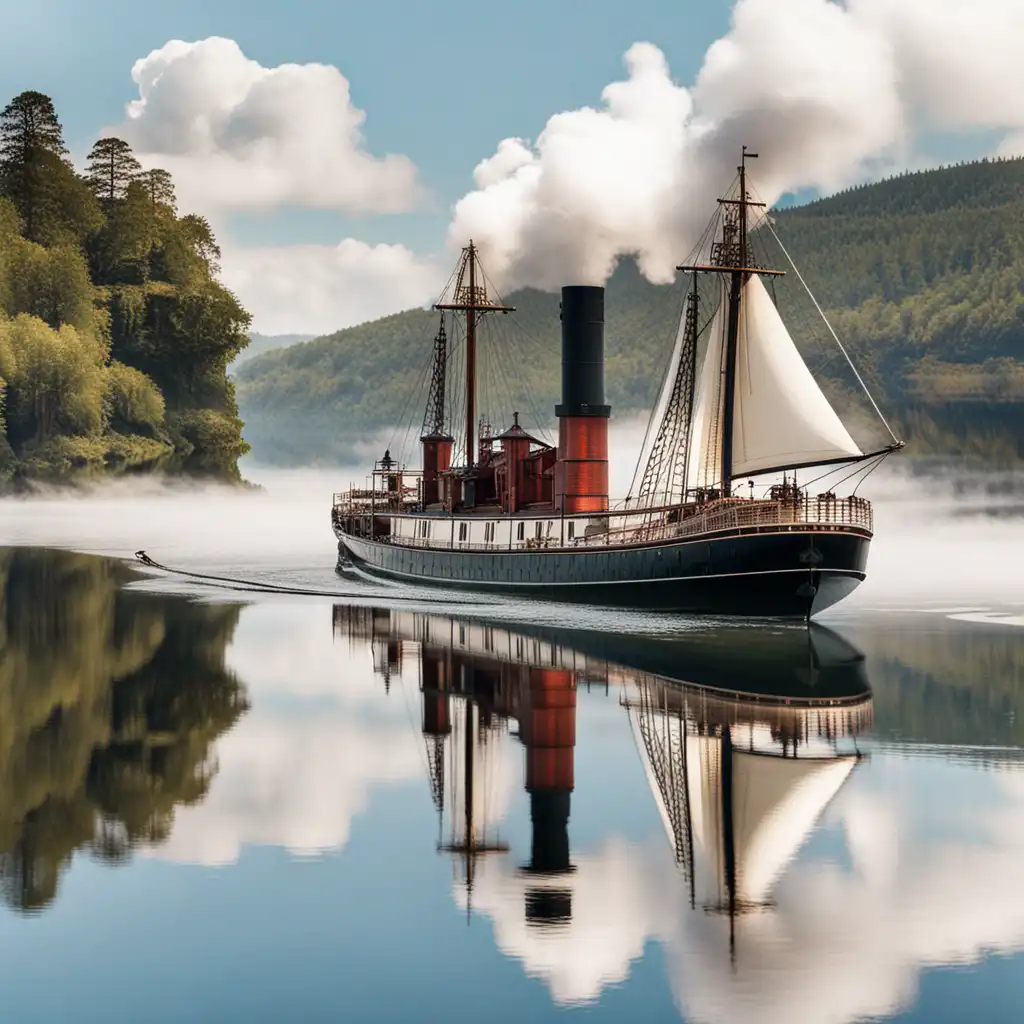
A ship or boat that is powered by steam engines
The old steamer sailed across the lake.
steamer
ˈstiːmər
読み込み中…
ˈstiːmər
A ship or boat that is powered by steam engines
The old steamer sailed across the lake.
ˈstiːmər
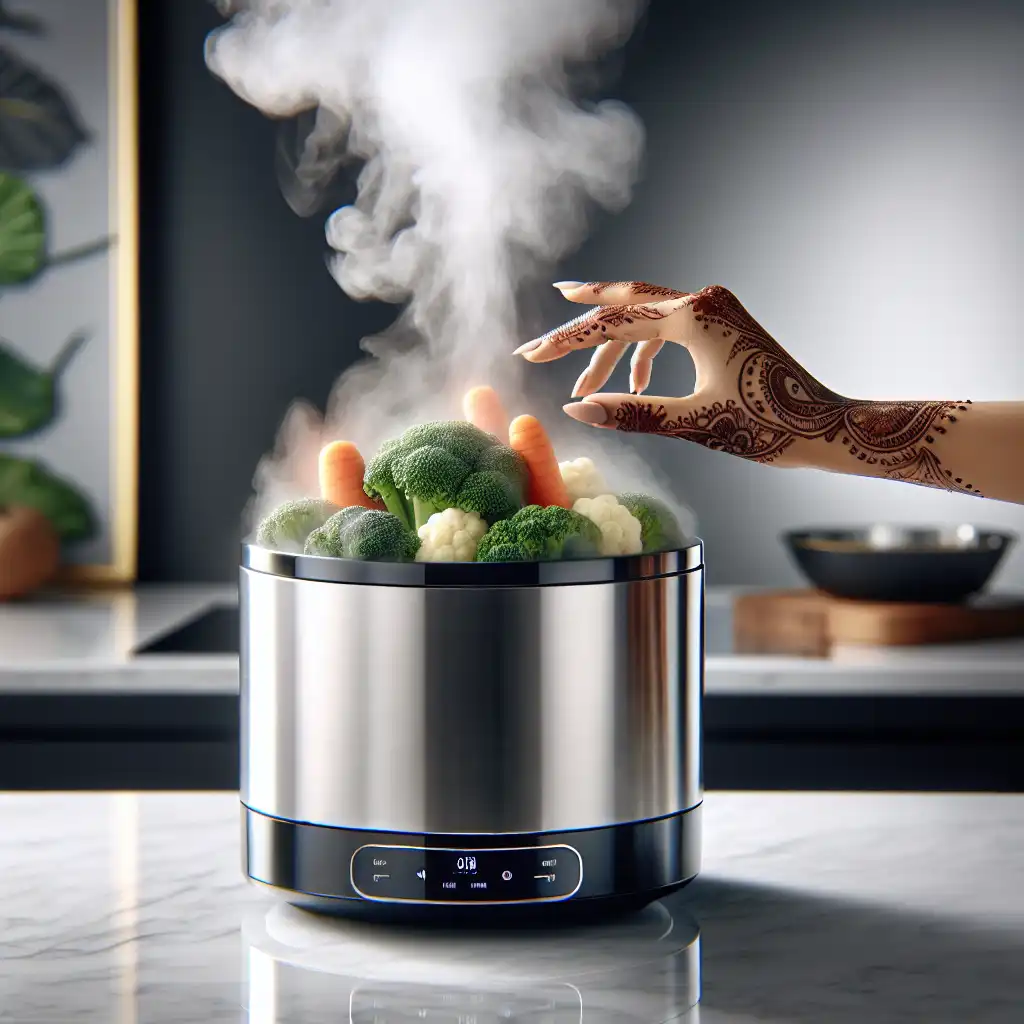
An appliance that uses steam to cook or heat things
She used a steamer to prepare the vegetables.
ˈstiːmər
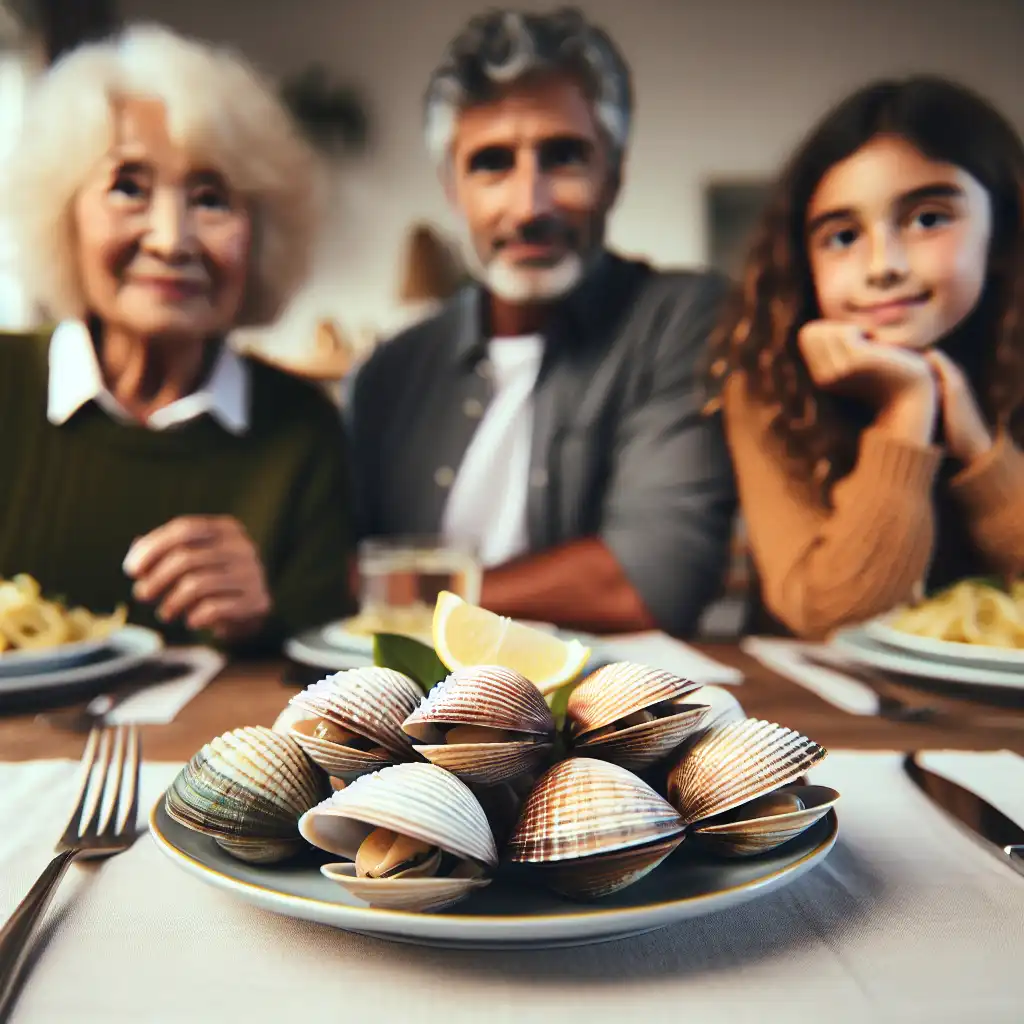
A type of clam that is often eaten steamed
We had fresh steamers for dinner.
ˈstiːmər
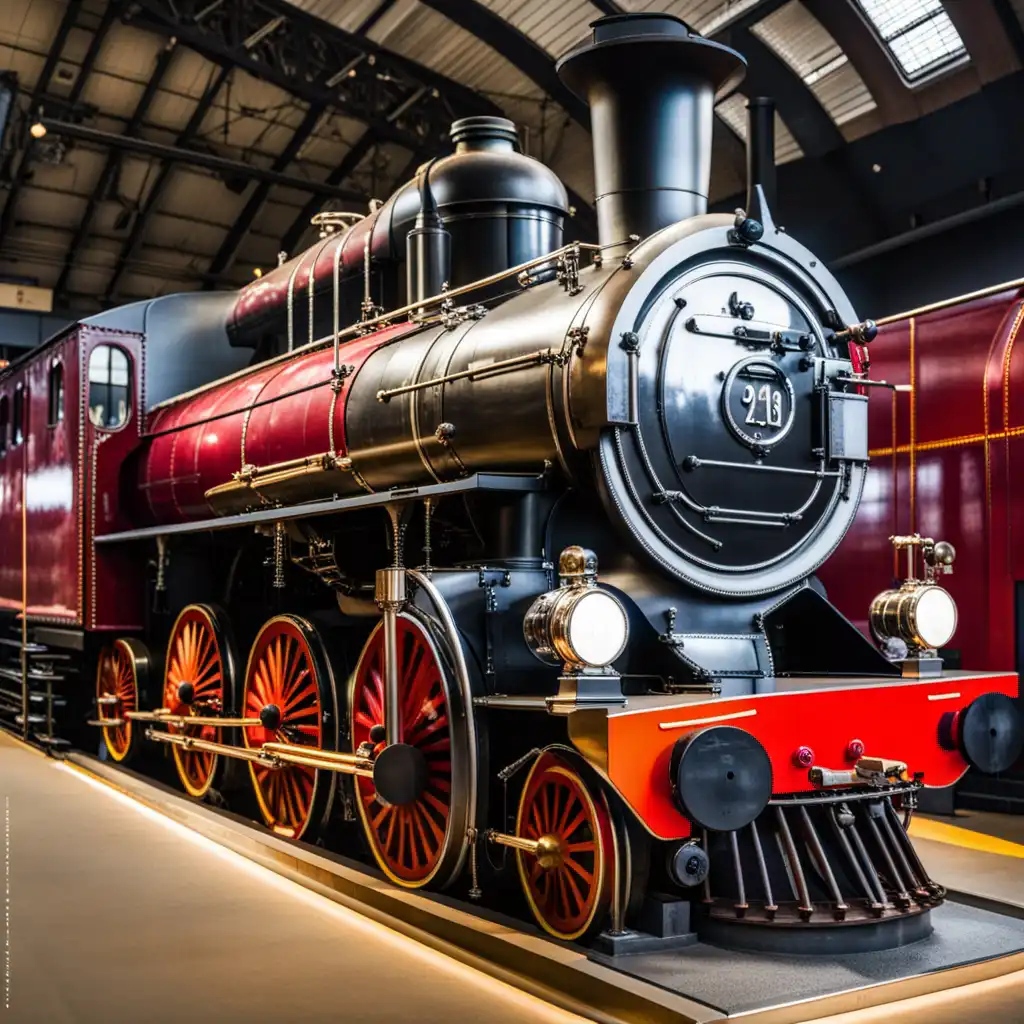
A train that runs on steam power
He took pictures of the old steamer at the railway museum.
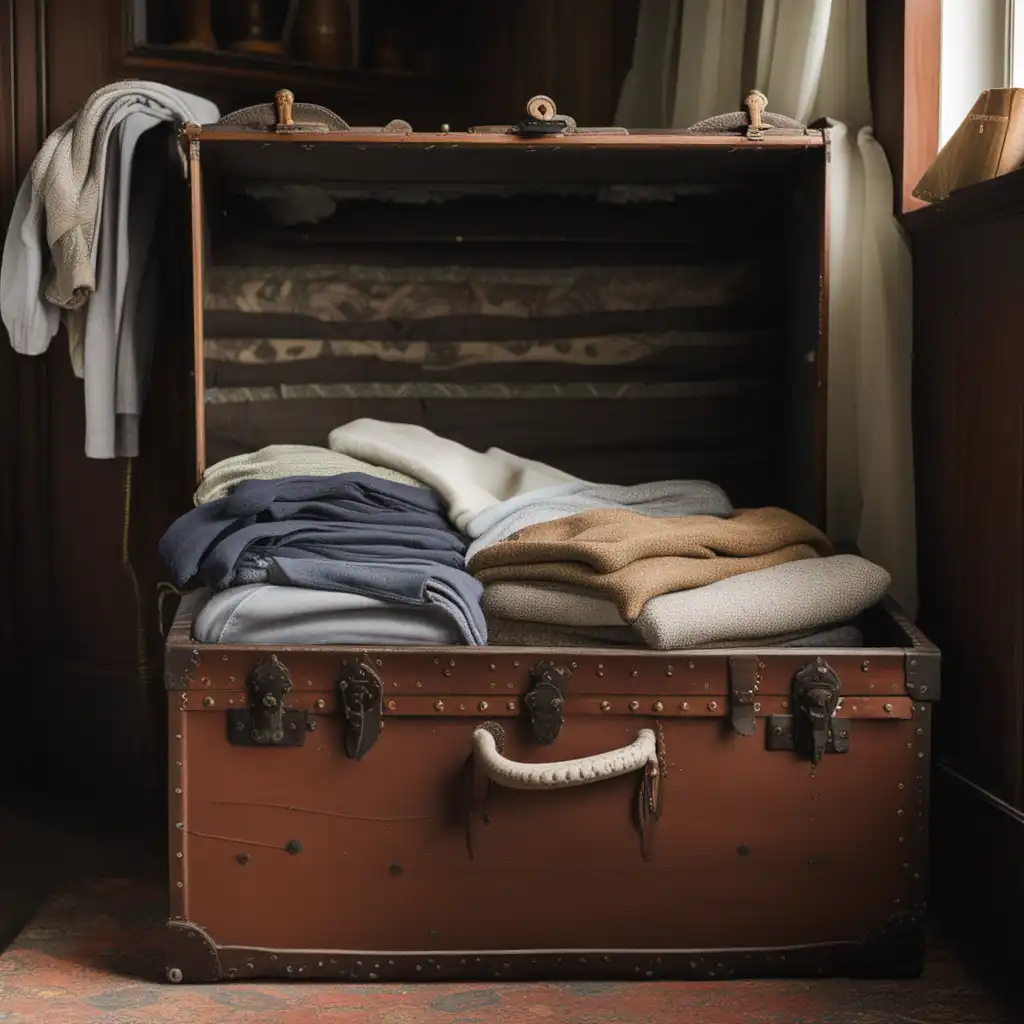
ˈstiːmər
A type of chest or trunk, traditionally used for travel
She packed her clothes in an old steamer she found at the flea market.
音声を読み込めませんでした。しばらくしてからもう一度お試しください。
The word 'steamer' refers to a vessel or a container that is used for cooking or heating food with the help of steam. It could also mean a method of cooking where the food is placed in a steaming basket or on a rack over boiling water. Additionally, a steamer can be a ship that is powered by steam, used for transportation or cargo purposes.
Both words refer to vessels used for transportation on water, but a steamer typically refers to a larger vessel with engines or other mechanical means of propulsion, whereas a boat tends to be smaller and may rely on wind or human power (such as rowing) for propulsion.
Steamers are often used for commercial or industrial purposes, while boats can be used for a variety of recreational activities, such as fishing, sailing, or pleasure cruising.
However, the terms boat and steamer can be used somewhat interchangeably depending on context and regional customs.
単語を開く: Boat →A boiler is a vessel used to heat water, which then generates steam. The steam can be used for many purposes; for instance, it can be used to heat a building, to power a turbine or engine, or to sanitize equipment.
Steam boilers are commonly used in industries such as manufacturing, power generation, and food processing.
A boiler is used to generate steam for industrial and commercial applications, while a steamer is used to cook food with the help of steam in the kitchen.
単語を開く: Boiler →Engine refers to a machine that uses fuel to produce power and move things, like a car engine or a train engine.
Engine is a more general term that can refer to different types of machines, while steamer is a specific type of machine used mainly in large boats and ships.
単語を開く: Engine →Iron and steamer are both appliances used to remove wrinkles and creases from fabric, but they work in different ways.
An iron is a flat, heavy device with a hot metal plate on the bottom that you move across fabric to smooth out wrinkles.
Irons are suitable for flattening small areas and pressing seams, and are commonly used for ironing clothes and linens.
An iron is best for flat work, while a steamer is better suited to larger and more delicate items.
単語を開く: Iron →Both locomotive and steamer are used to describe engines used for transportation, but they refer to different types of engines.
A locomotive is a powered rail vehicle used to pull trains on a railroad. It uses a steam engine or diesel engine to operate.
A locomotive is used to pull trains on land, while a steamer is used for travel on water.
単語を開く: Locomotive →A ship is a large vessel used for transport by sea.
A steamer is a type of ship that uses steam engines to generate power, rather than sails or other forms of propulsion. Steamers were commonly used in the past but are now less commonly used.
In practical terms, a ship is a broader term that refers to any seafaring vessel, whereas a steamer specifically refers to ships powered by steam engines.
単語を開く: Ship →A train is a form of transportation that moves on rails and is powered either by electricity or by steam, diesel or gasoline engines.
Steamers are applicable for traveling across water bodies such as rivers, seas or oceans, whereas trains are applicable for traveling on land-based routes like tracks.
Steamers are typically used for cargo and passenger transportation across waterways, while trains are usually used for transport for long distances or commuting between cities.
A steamer is a ship that uses steam power, and trains are land-based transportation that move on tracks. Each is applicable in different settings depending on the mode of transportation and route required.
単語を開く: Train →A steamer is a specific type of vessel that is designed to use steam power as its main source of energy. Typically, steamers were used for transportation purposes, such as carrying passengers or cargo across the ocean.
The term vessel is a more general term that can refer to any type of ship or boat that is used for transportation, fishing, recreation, or other purposes.
Vessels can be powered by a variety of sources, including wind, electricity, diesel fuel, or even human power.
A steamer is a type of vessel that specifically uses steam power, while a vessel can refer to any type of ship or boat.
単語を開く: Vessel →But then... backup arrives! Steamer ducks the most aggressive in the world. They hate caracaras and won't give up until every one is gone.
YouTube で見る ↗I don't have any great first job tales: I've never worked on a tramp steamer or in a coal mine or anything like that. I think the inspiration for my writing came largely from my father and the joy that life in books represented to me.
One foggy morning in 1884, the British steamer "Rumney" crashed into the French ship "Frigorifique."
YouTube で見る ↗I'm a mezzo-soprano, so the whole diva thing... I'm not the kind of performer who puts on a persona off-stage as well, and the days of arriving with steamer trunks and hat boxes are over.
he realized that he was mistaken. It wasn't an auxiliary cruiser. It was a steamer with a lot of civilians in the water. An intercepted radio transmission confirms his fears.
YouTube で見る ↗Water is a beverage which I never enjoyed in purity and perfection before I visited America. It is provided in abundance in the cars, the hotels, the waiting-rooms, the steamers, and even the stores, in crystal jugs or stone filters, and it is always iced. This may be either the result or the cause of the temperance of the people.
It is too maddening. I've got to fly off, right now, to some devilish navy yard, three hours in a seasick steamer, and after being heartily sick, I'll have to speak three times, and then I'll be sick coming home. Still, who would not be sick for England?
There is a degree of confidence exhibited towards strangers in Sweden, especially in hotels, at post-stations, and on board the inland steamers, which tells well for the general honesty of the people.
I always bring my Jiffy Esteam steamer to get the wrinkles out of our clothes. It's powerful enough to press a suit.
If I write in my name to the agents of England and France residing in Asia and inform them that Japan is ready to make a commercial treaty with their countries, the number of steamers will be reduced from fifty to two or three.
A steamer is like an inhaler, so you can inhale this oil or frankincense or eucalyptus. Before I go onstage, I spend half an hour taking in that steam, and it saves my life!
The only good things I've seen emerge from a steamer are tamales, couscous, and dumplings - maybe the occasional artichoke or delicate fish fillet. But baby turnips with their tender greens still attached should be boiled in water as salty as the sea until their flesh is silky and soft.
The Tigris in parts is wonderfully tortuous, and at one great bend, 'The Devil's Elbow,' a man on foot can walk the distance in less than an hour which takes the steamer four hours to accomplish.