unmentionable
adjective unmentionable
ʌnˈmenʃənəbl
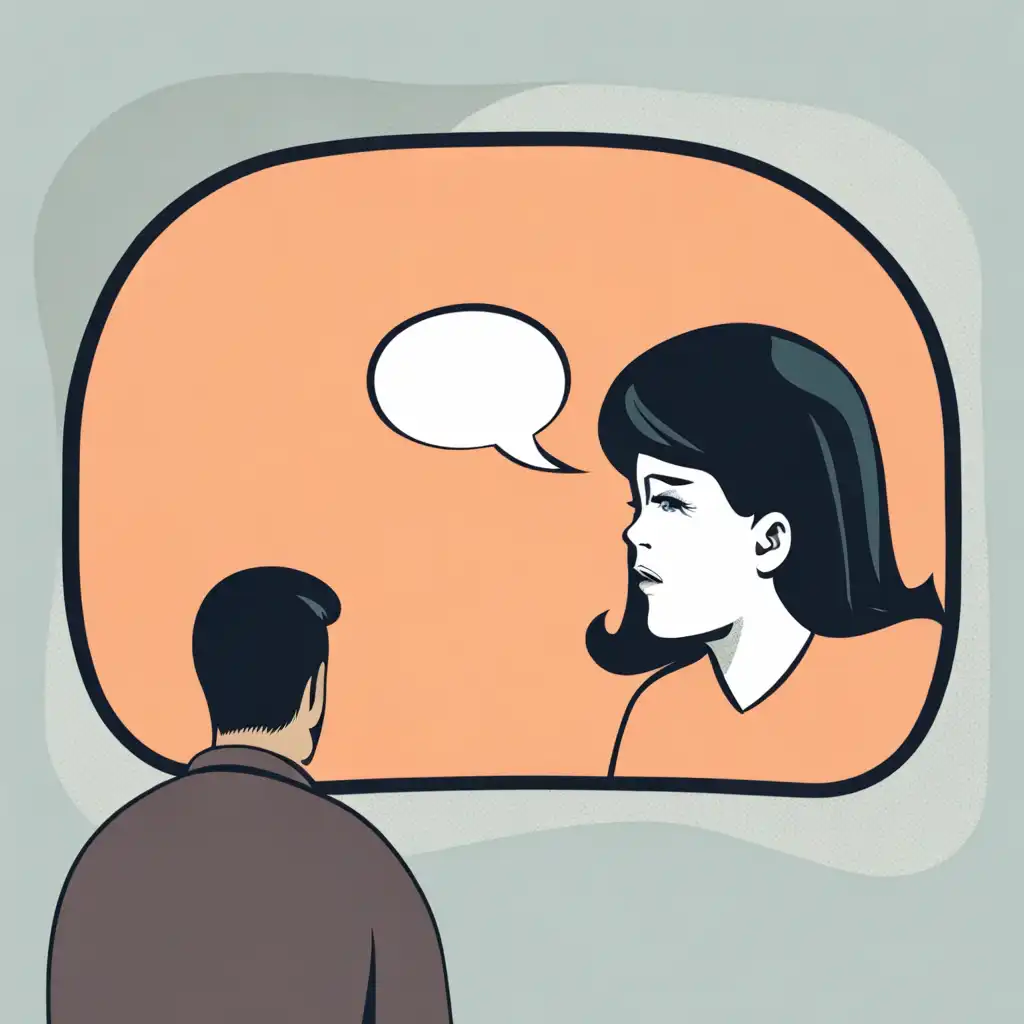
Something too embarrassing, shocking, or offensive to be talked about or mentioned.
She found herself thinking of things unmentionable.
unmentionable
ʌnˈmenʃənəbl
Loading…
ʌnˈmenʃənəbl
Something too embarrassing, shocking, or offensive to be talked about or mentioned.
She found herself thinking of things unmentionable.
ʌnˈmenʃənəbl
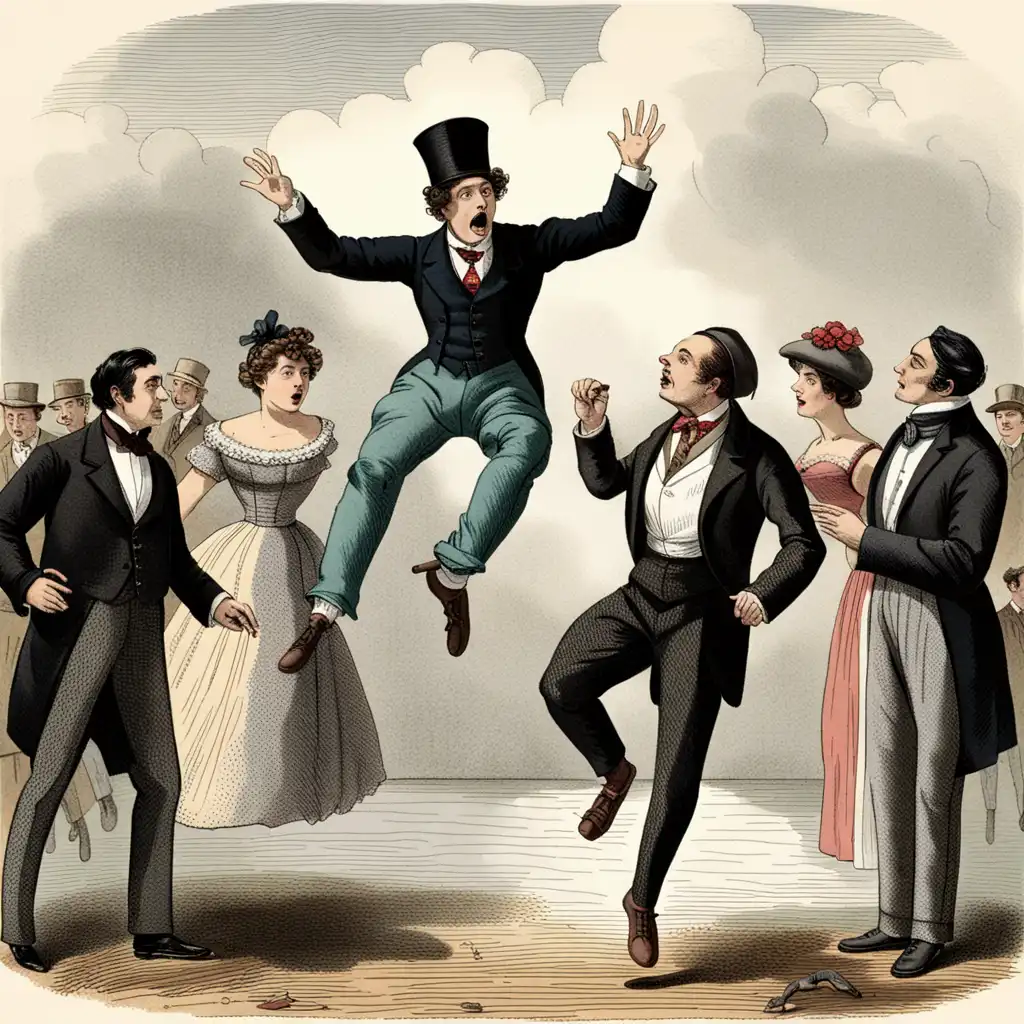
An unmentionable piece of clothing is underwear.
In the 19th century, even the word 'trousers' was considered unmentionable in polite society.
Audio could not be loaded. Please try again later.
The word 'unmentionable' is used to describe something that is too embarrassing or taboo to talk about. It is used when referring to things that are unpleasant, embarrassing, or considered inappropriate to discuss openly. For example, people might use the word 'unmentionable' to describe undergarments or taboo subjects like sex, death, or illness. It is important to be aware of the context surrounding the use of the word and its sensitivity to certain people or cultures.
Forbid means to prohibit or ban something.
It is usually used in a formal or authoritative context, such as the law or rules set by a parent or teacher. For example, a parent might forbid their child from watching TV after 10 pm.
Forbid is about what is allowed or not allowed in a formal or authoritative context, while unmentionable is about what is socially or culturally taboo to talk about.
Open word: Forbid →Indecent means something that is inappropriate or offensive according to accepted standards of behavior or morality.
It usually describes actions, behavior or language that is disrespectful towards others, or immoral. For example, indecent behavior could be a person or actor acting inappropriately towards someone.
So, while indecent refers to something that is morally wrong, unmentionable refers to something that is taboo or too embarrassing to talk about.
Open word: Indecent →Indescribable means that something is too difficult to put into words or to describe accurately. For example, one might say that a beautiful sunset is indescribable because words cannot fully capture its beauty.
Indescribable refers to something that is difficult to describe, while unmentionable refers to something that is taboo or inappropriate to mention.
Open word: Indescribable →Ineffable can describe something that cannot be expressed or put into words, often because it is too beautiful, powerful or overwhelming.
For example, sunrise over the ocean may be ineffable because it is so breathtaking that it is difficult to describe with words.
Ineffable describes something that is difficult to express in words due to its beauty or power, while unmentionable means something that is considered taboo or inappropriate to talk about.
Open word: Ineffable →Inexpressible refers to something that cannot be fully described or put into words because it is so profound, intense or overwhelming.
For example, the feeling of love that a person may have for their partner may be inexpressible.
Inexpressible refers to something that is difficult to describe because of its intensity or profundity, while unmentionable refers to something that cannot be talked about because it is taboo or not socially acceptable.
Open word: Inexpressible →Prohibit means to forbid or ban something.
It is typically used in a formal setting or by an authority figure. For example, a school may prohibit students from using their phones during class time.
Prohibit is used when something is officially banned, while unmentionable is used when something is considered too sensitive or embarrassing to talk about.
Open word: Prohibit →Both taboo and unmentionable are words used to describe things that are considered inappropriate, embarrassing or unacceptable to discuss openly in certain cultures or societies.
However, taboo usually describes something that is forbidden or prohibited by social or religious customs or laws, often with significant consequences for those who violate them.
For example, in some cultures, it is taboo to eat certain animals, like cows or pigs, because they are considered sacred.
In other cultures, it may be taboo to talk about sex, use foul language or disrespect elders.
In summary, while both words describe things that cannot be talked about openly, taboo specifically refers to something forbidden by social norms or laws while unmentionable refers to something that is simply uncomfortable or embarrassing to talk about.
Open word: Taboo →Unspeakable also refers to something that is not spoken about, but generally because it is too terrible or shocking to be expressed in words.
For example, the horrors of war may be described as unspeakable.
So, while both words indicate that something is not spoken about, unmentionable generally refers to something that is taboo in a social sense, while unspeakable refers to something that is too horrible or devastating to be verbalized.
Open word: Unspeakable →Safari Live - Day 322 %\PIPE%...
Watch on YouTube ↗There's an effort to reclaim the unmentionable, the unsayable, the unspeakable, all those things come into being a composer, into writing music, into searching for notes and pieces of musical information that don't exist.
We had a week off in the middle of shooting, but as soon as everyone stopped, we all went down with six different types of flu and other unmentionable diseases.
The greater the burden a man takes upon his shoulders, the stronger he must be to carry it. No words are unmentionable, no action or horror beyond powers of description, if one is equal to them.
The secular argument, or the liberal argument, is to as much as possible remove taboos so things do not become unmentionable; to let some air into the discussion.
Nationalization, unmentionable only yesterday, has entered common usage not least because an even scarier word - depression - is next on America's list to avoid.
Searching for music is like searching for God. They're very similar. There's an effort to reclaim the unmentionable, the unsayable, the unseeable, the unspeakable, all those things, comes into being a composer and to writing music and to searching for notes and pieces of musical information that don't exist.