
make up
verb make up
to invent something, such as a story or an excuse
She made up a story about being late.
makeup
불러오는 중…
to invent something, such as a story or an excuse
She made up a story about being late.

to forgive someone and be friendly with them again after an argument or disagreement
They had a big fight but made up soon after.
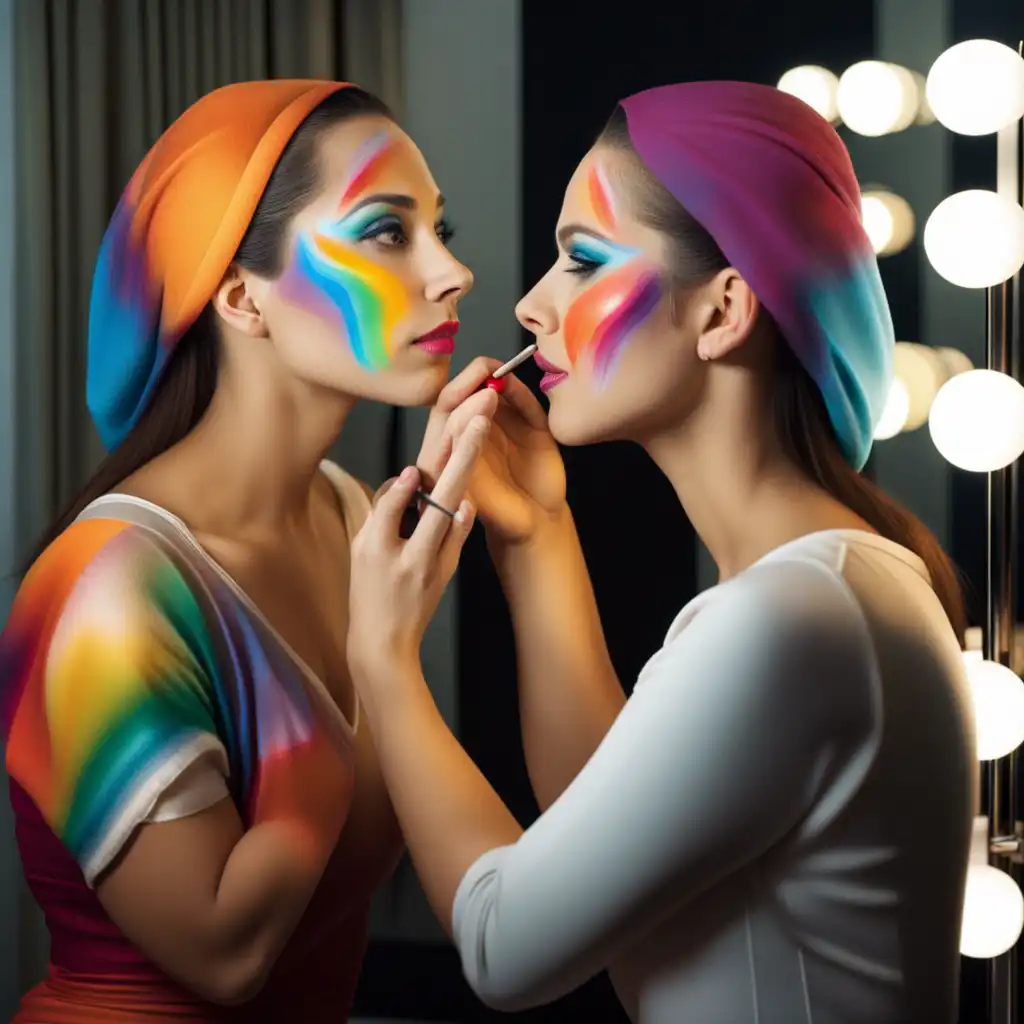
to apply cosmetics to your face to enhance or change your appearance
She spends a lot of time making up before going out.
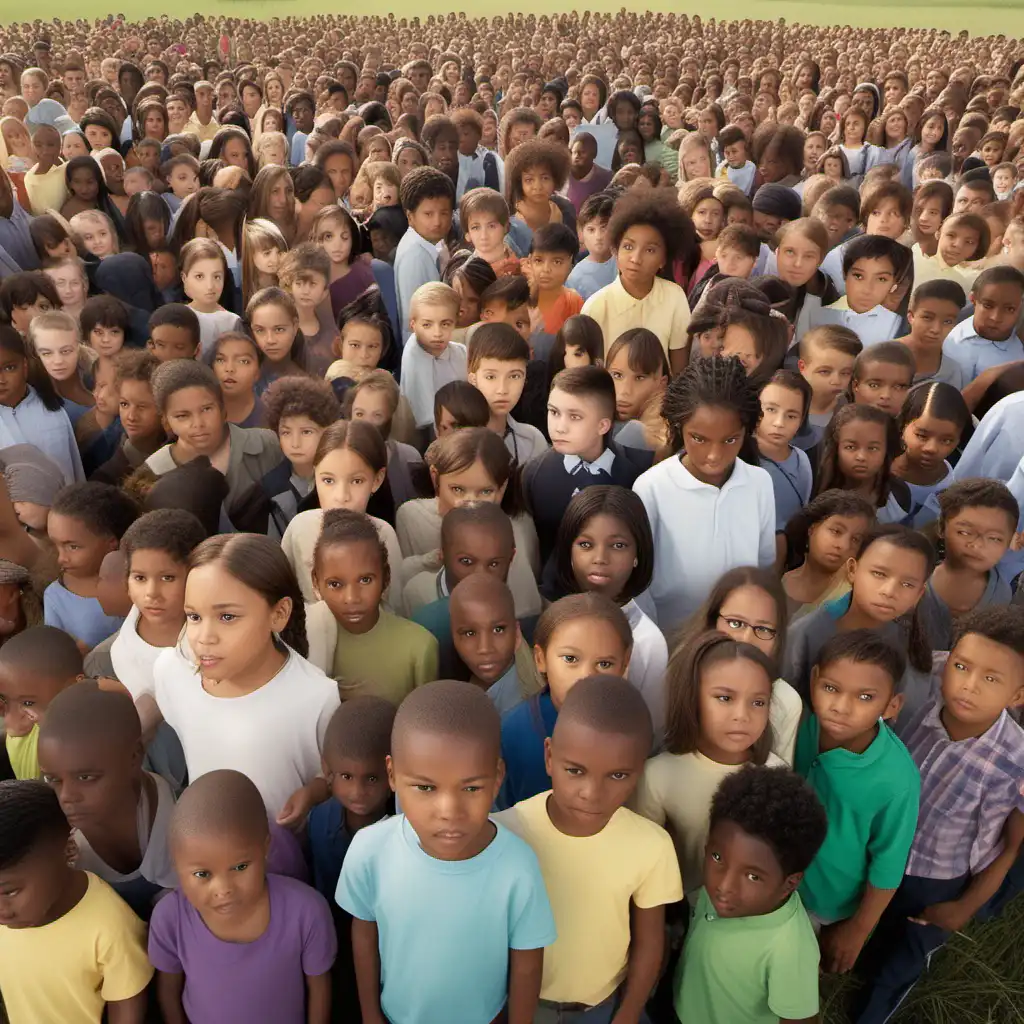
to constitute or form as a whole from smaller parts
Children make up more than half of the refugee population.

to do something that will compensate for past mistakes or shortcomings
I messed up at work, so I’m staying late to make up for it.
오디오를 불러오지 못했어요. 잠시 후 다시 시도해 주세요.
The expression "make up" can have different meanings depending on the context in which it is used. Here are some examples:- To apply cosmetics on one's face in order to enhance or change one's appearance. For instance, "She always makes up before leaving the house" or "I don't need to wear make-up".- To reconcile or become friends again after a disagreement or a fight. For example, "I am sorry, let's make up and forget about this" or "They had a big argument but eventually made up".- To invent or fabricate a story, excuse, or explanation. Like saying "He made up an excuse for being late" or "She made up a story about the lost dog".- To complete something that was missed or lost. As in "Can you make up the hours you missed last week?" or "I have to make up for the time I wasted yesterday".It is important for English learners to pay attention to the different meanings of "make up" in each context to understand effectively.