
ridged
adjective ridged
rɪdʒd
Having a raised strip or strips on the surface.
The ridged surface of the board provides better grip for the skateboarder.
ridged
rɪdʒd
Loading…
rɪdʒd
Having a raised strip or strips on the surface.
The ridged surface of the board provides better grip for the skateboarder.

rɪdʒd
Having a distinct narrow and elevated section or sections.
The fabric has a ridged design that makes it look more appealing.
rɪdʒd
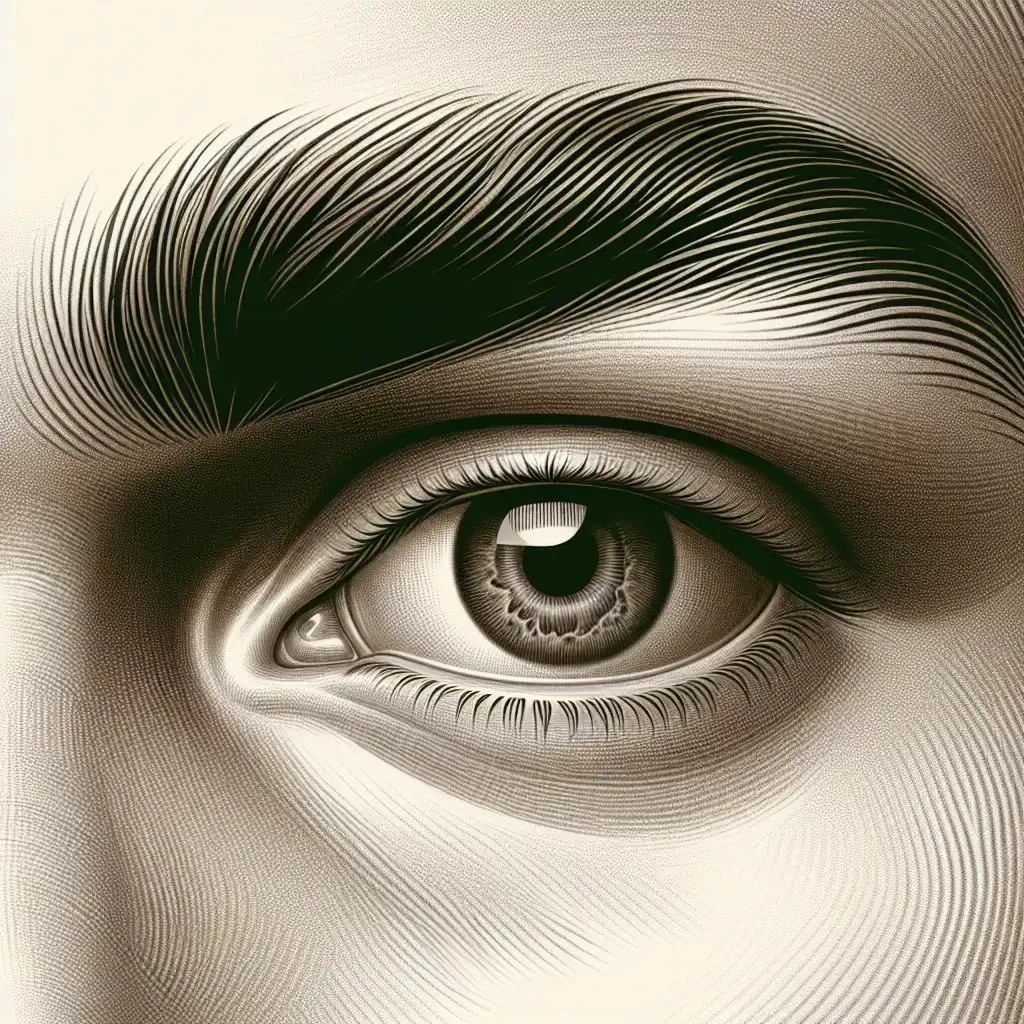
In anatomy, characterized by or forming a ridge or an elevated section on the surface of a body part.
The ridged portion of the eye is used to control the amount of light that enters it.
Audio could not be loaded. Please try again later.
The word "ridged" refers to something that has a series of raised lines or grooves on its surface. For example, a corrugated cardboard box has ridges that help it to be strong and sturdy. Ridge can also refer to a natural formation such as the ridge of a mountain or the ridges on the end of a leaf. It is important to understand the context in which you are using the word to ensure that it fits properly.
Bumpy refers to something that has irregular or uneven surfaces. For example, a road with potholes or a surface with bumps and lumps.
Bumpy describes irregular surfaces while ridged describes raised lines or bumps. Bumpy is applicable when describing surfaces that are uneven while ridged is applicable when describing objects with raised patterns or lines.
Open word: Bumpy →A surface that is corrugated has grooves that are specifically shaped by folding a material, usually paper or metal, into a series of parallel ridges and valleys.
Corrugated materials are often used in packaging because they are strong and provide cushioning.
To summarize, corrugated refers to a surface that is specifically designed with parallel ridges and valleys, while ridged refers to a surface that has natural or irregular bumps or raised lines.
Open word: Corrugated →Emboss means to create a raised design or pattern on a surface. This is typically done by pressing an object into the surface, such as a seal or stamp.
Emboss is usually used when the design is more intricate, decorative, or personalized.
Emboss refers to a deliberately created raised design or pattern, while ridged simply describes a surface that has natural bumps or ridges.
Open word: Emboss →The words fluted and ridged both describe surfaces with grooves or protrusions, but they have some differences in meaning.
Fluted typically refers to a series of shallow, parallel grooves or channels, often found on the surface of a column or vase.
Fluted describes shallow grooves, while ridged describes raised protrusions. Fluted is used more in decorative contexts like architecture, while ridged describes natural or man-made surfaces.
Open word: Fluted →Furrow refers to a long, narrow and shallow channel or groove made in the ground by a plow or a cultivator. It is applicable when you're talking about farming or agriculture.
For example, when you plow a field, you create furrows where you can plant seeds.
Furrow is a groove in the ground while ridged is having raised edges or folds.
Open word: Furrow →Grooved and ridged both refer to having a series of indentations or bumps.
Grooved is typically used to describe a surface with narrow, deep indentations that often form parallel lines. This surface is designed to allow for better grip or traction, such as on the sole of shoes or the edges of a record.
Open word: Grooved →Rib refers to a long, curved bone that protects our chest and helps us breathe.
Rib is used to refer to a body part or a cut of meat, while ridged describes a specific type of texture or pattern on a surface.
Open word: Rib →Wavy refers to something that has a series of curves or waves, like the surface of an ocean or a wavy hairstyle. The waves are usually irregular and can go in different directions.
Ridged means straight lines that are close together, while wavy means curved lines that are farther apart.
Open word: Wavy →Safari Live - Day 182 %\PIPE%...
Watch on YouTube ↗What Makes Sharks Smart?...
Watch on YouTube ↗