bran
noun bran
bræn
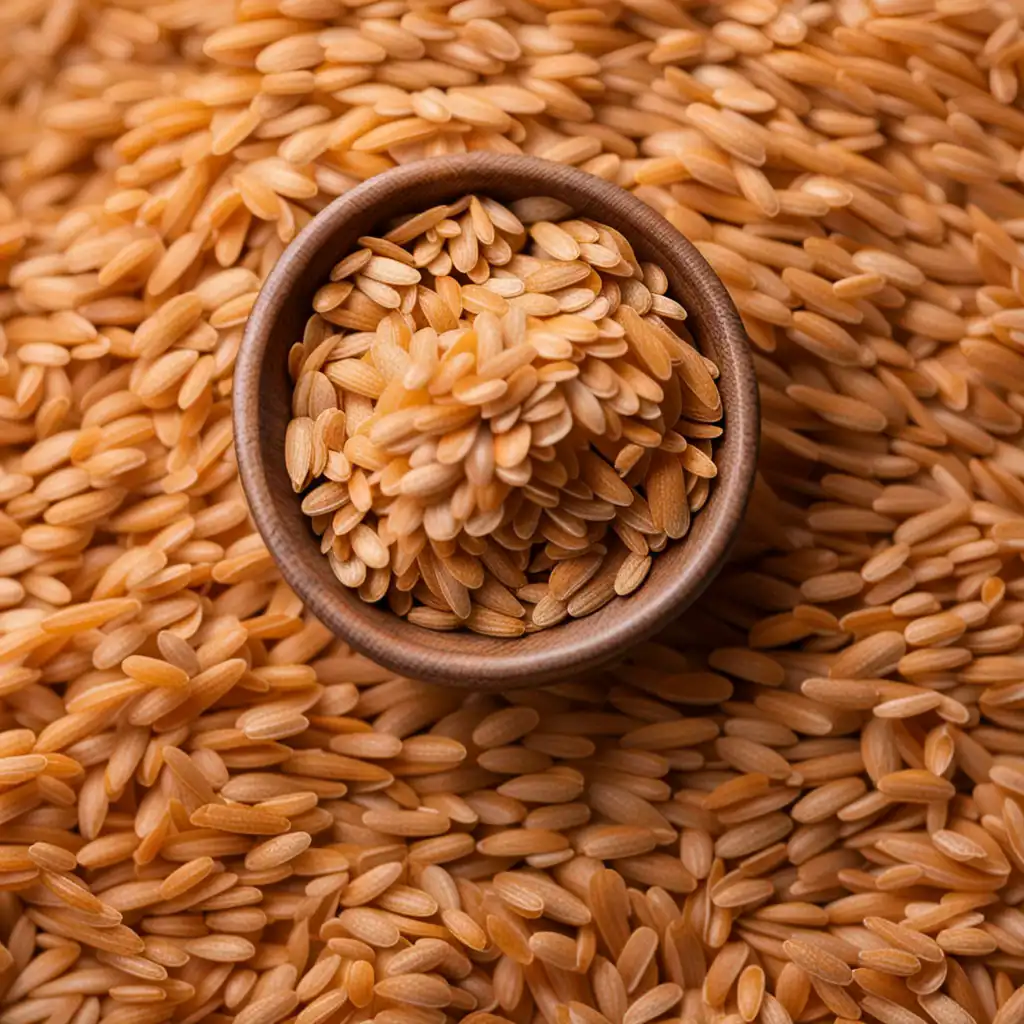
Bran is the hard outer part of a grain, like rice, wheat or corn.
Bran is often added to cereals to increase dietary fiber.
bran
bræn
読み込み中…
bræn
Bran is the hard outer part of a grain, like rice, wheat or corn.
Bran is often added to cereals to increase dietary fiber.
bræn
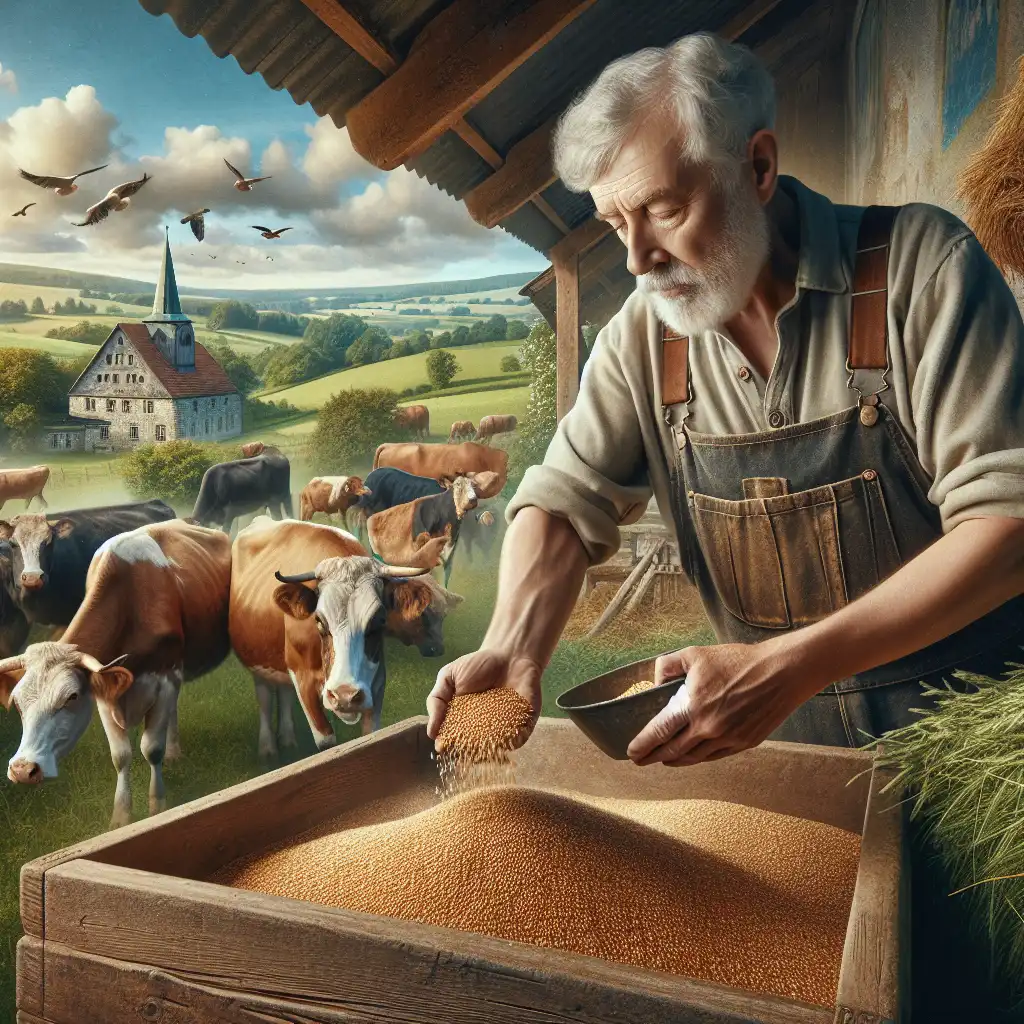
Bran is also a type of food for cattle and other animals, that is made from these outer grain parts.
The farmer feeds the cows a mixture of bran and hay.
音声を読み込めませんでした。しばらくしてからもう一度お試しください。
Bran is the outer layer of cereal grains like wheat and rice. It is often removed during the refining process to make flour and other products. Bran is high in fiber and nutrients, making it a popular addition to breakfast cereals, bread, and other products. It can also be used in baking recipes. If you are trying to eat healthier, you might consider incorporating bran into your diet.
Chaff is the dry, scaly protective casing around the seeds of cereal crops that is separated from the grain during threshing.
It is not edible and is often considered a waste product. Chaff is used in a variety of ways like animal feed, bedding material, and as a fuel source.
Bran is a nutritious part of the grain that is used in food, while chaff is the protective outer layer of the grain that is usually discarded or used for non-food purposes.
単語を開く: Chaff →Crumb refers to small pieces or particles that break off from a baked good, such as bread, cake, or cookies. Crumbs are often used as toppings, like on a crumb cake, or in recipes, like as a binder for meatballs.
Bran is a part of a grain that is used for nutrition, whereas crumb is a small piece of a baked good that is used for texture and flavor.
単語を開く: Crumb →Bran is a part of a grain that is typically removed during processing. It is the outer layer that contains a lot of nutrients like fiber, vitamins, and minerals.
Fiber is a type of carbohydrate that is not broken down or absorbed by the body. It is found in many types of foods, including fruits, vegetables, and whole grains.
So bran is a specific part of a grain, while fiber is a type of nutrient found in many foods. Both are important for a healthy diet and can help with digestion and overall health.
単語を開く: Fibre →Bran and hull are both parts of grains, but they come from different grains and have slightly different applications.
Hull is the outer layer of seeds like rice, oats, and sunflower seeds. It is removed before the seeds are used for food because it is tough and indigestible.
Hulls can be used for animal feed or in some cases, like with sunflower seeds, compressed for fuel or oil.
Bran comes from milling whole wheat and is used for added fiber and nutrients in human foods, while hulls come from certain seeds and are removed because they are tough and indigestible, sometimes used for animal feed or fuel.
単語を開く: Hull →Bran is the outer layer of grain that is removed during the refining process, while meal is a ground-up version of a food product, including grains.
Meal can be made from a variety of foods, such as cornmeal or oatmeal, and can be used in a number of recipes.
Bran is a specific part of a food product, while meal is a general term for ground-up food.
単語を開く: Meal →Offal refers to the internal organs and meat that are removed from an animal during butchering. This includes parts like liver, heart, and kidneys, which are often used in cooking and can be a good source of nutrients.
Bran is the outer layer of grain and offal is the internal organs and meat of an animal. Bran is used in baking and cooking, while offal is often used in cooking and can be a source of nutrients.
単語を開く: Offal →Residue refers to any remaining material that is left over after a process is completed. This can include things like leftovers from cooking, ash from burning, or sediment from filtering.
Essentially, bran is a specific type of residue that comes from processing grains, while residue is a more general term for any leftover material.
単語を開く: Residue →It is often used in breakfast cereals and bread. Scrape refers to the act of frictionally removing something from a surface using a hard tool like a scraper or a knife.
It can be used when cleaning floors, removing paint, or scraping food particles off a dish.
In essence, bran is a food ingredient, whereas scrape describes an action.
単語を開く: Scrape →situation this kind of very conflict of ivory trade reminds me of story about bran man and elephant the world outside and the picture in our head can be very different
YouTube で見る ↗I would love to pretend I don't diet, but I work very hard. I stay active and eat very healthy. Anybody who says otherwise is either unhealthy or lying! I will admit that I'm addicted to sugar - licorice, Jujubees and jelly candies. And I actually love bran muffins!
actually hidden it under this branch there's clearly no falling this raven it's hot work bran bran come on come on now that was pretty
YouTube で見る ↗Give me liberty or a bran muffin!
because staying is better in some ways, moving is better in others, and neither is better than the other overall. We shouldn't think that all hard choices are big. Let's say you're deciding what to have for breakfast. You could have high fiber bran cereal
YouTube で見る ↗The pattern of a newspaperman's life is like the plot of 'Black Beauty.' Sometimes he finds a kind master who gives him a dry stall and an occasional bran mash in the form of a Christmas bonus, sometimes he falls into the hands of a mean owner who drives him in spite of spavins and expects him to live on potato peelings.
The difference between brown and white rice is that the former is not milled. With the outer bran and germ intact, the rice is therefore chewier and nuttier.
You do live longer with bran, but you spend the last fifteen years on the toilet.
Replacing white flour with whole wheat generally makes baked goods denser, drier, and more crumbly because the germ and bran in whole wheat absorbs more water.
My lunch is the staple Indian meal - rotis, vegetables and dal. But instead of wheat rotis, I have rotis made of bran or barley.
The market town of Cheltenham, in Gloucestershire, was a popular 19th - century English spa. Its mineral springs were supposed to be good for you. This was before the invention of bran. In the 20th century, Cheltenham grew into an active municipality.
Give me liberty or give me a bran muffin!