
anticlimax
noun anticlimax
ˌæntaɪˈklaɪmæks
A disappointing end to an exciting or impressive series of events
After such a buildup, the actual concert was something of an anticlimax.
anticlimax
ˌæntaɪˈklaɪmæks
Đang tải…
ˌæntaɪˈklaɪmæks
A disappointing end to an exciting or impressive series of events
After such a buildup, the actual concert was something of an anticlimax.
ˌæntaɪˈklaɪmæks
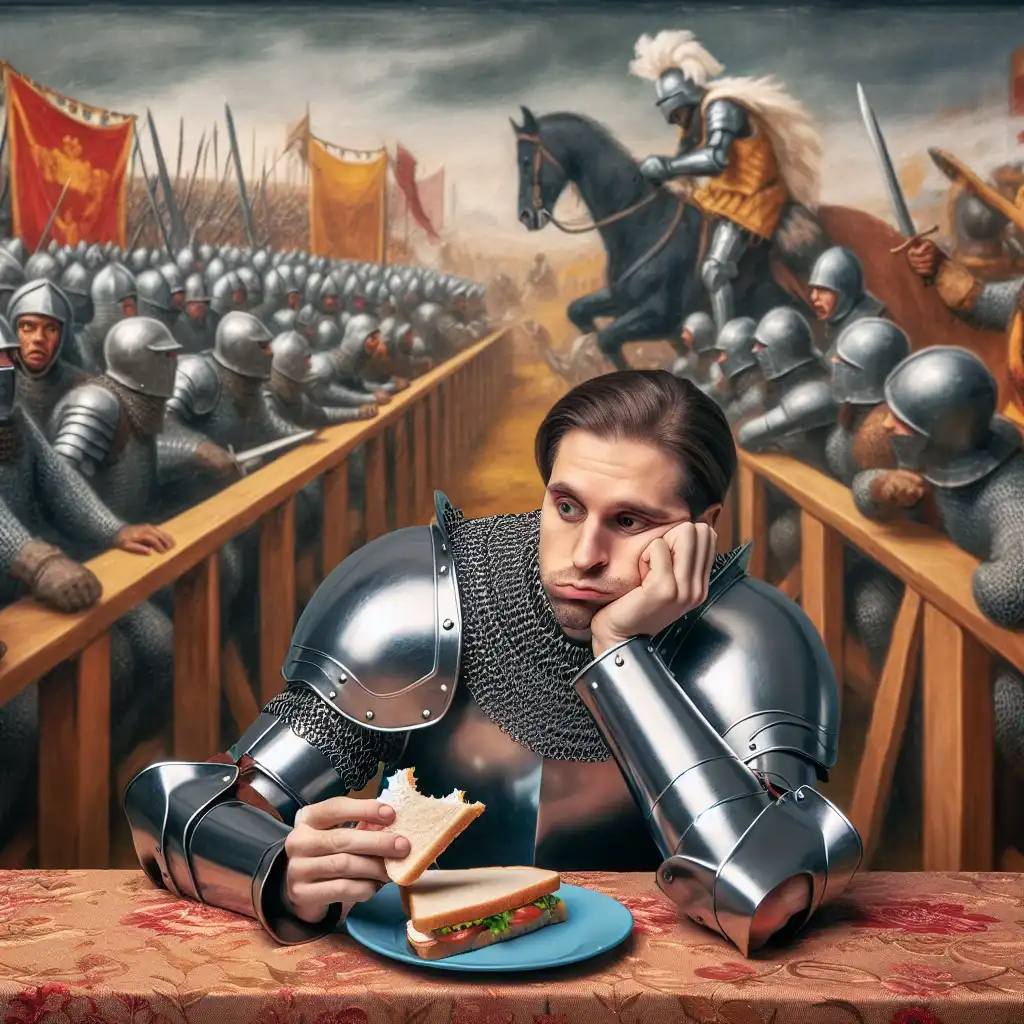
In writing or speaking, a sudden transition from a significant idea or theme to a trivial or humorous one
The story reaches an anticlimax when the main character leaves the battle to discuss his lunch.
Không tải được âm thanh. Vui lòng thử lại sau.
'Anticlimax' is a word that refers to something that has a disappointing end after building up our expectations. It is commonly used to describe a situation that gets less exciting or impressive as it progresses. For example, if a movie has an exciting and dramatic climax at the end, but suddenly ends abruptly with nothing much happening, that would be an anticlimax. We can also use it in situations where we expect something grand or exciting to happen, but it falls short of our expectations.
Antithesis refers to the direct opposite or contrast of two things, often used to create emphasis or highlight differences in a piece of writing or speech.
Both terms are applicable in literature, drama and speechwriting, but in different contexts. Anticlimax describes a disappointing or underwhelming resolution, while antithesis refers to the contrast or opposition of two ideas.
Mở từ: Antithesis →Deflate means to let out air or energy from something, causing it to lose its shape or excitement.
In essence, anticlimax describes a situation that ends badly, and deflate describes a situation that loses its initial excitement or energy.
Mở từ: Deflate →Disappoint means to fail to meet someone's expectations or hopes. It is a more general term that can apply to any situation where someone's expectations are not met.
For example, if a student is hoping to get an A grade on a test but only gets a B, they could feel disappointed.
Anticlimax refers specifically to a letdown after a buildup of excitement, while disappoint is a more general term for not meeting expectations.
Mở từ: Disappoint →Failure refers to a situation where something did not meet an expected goal or objective, often leading to negative consequences.
Failure can happen in any aspect of life, such as academic, professional, or personal. For example, a student who fails to pass an exam despite studying hard is a failure.
Anticlimax is a letdown after a build-up of excitement, while failure is not meeting an expected goal or objective with negative consequences.
Mở từ: Failure →Fiasco refers to a complete failure or disaster. For example, a music concert where the sound system fails and the artist cannot perform is a fiasco.
Anticlimax refers to a let-down while fiasco refers to a total failure or disaster.
Mở từ: Fiasco →Flop refers to something that fails to meet expectations or is unsuccessful. It's like a product or an event that doesn't achieve the success or popularity it was supposed to.
For example, a new smartphone that doesn't sell well or a concert that doesn't attract a lot of attendees can be considered a flop.
Anticlimax is related to disappointment, while flop is related to failure.
Mở từ: Flop →Safari Live - Day 158 %\PIPE%...
Xem trên YouTube ↗Achievement brings its own anticlimax.
Billy Graham:...
Xem trên YouTube ↗Imagine the anticlimax of opening a novel you'd just got Dostoyevsky to sign and finding 'Keep smiling - Fyodor.
There's one profound difference between secular and religious pilgrimages. It's inconceivable that a Muslim would feel a sense of anticlimax when reaching Mecca. But for a secular pilgrim, the potential for disappointment is always there.
In anticipation of a meal - supposing we are with the ideal companion at the best table in the perfect restaurant - we might indeed postpone sadness. And maybe even halfway through, we will remain in tolerably high spirits, with dessert still to come. But as we near the end of eating, we begin to feel anticipatory twinges of anticlimax.