transmutation
noun transmutation
ˌtrænzmjuːˈteɪʃn
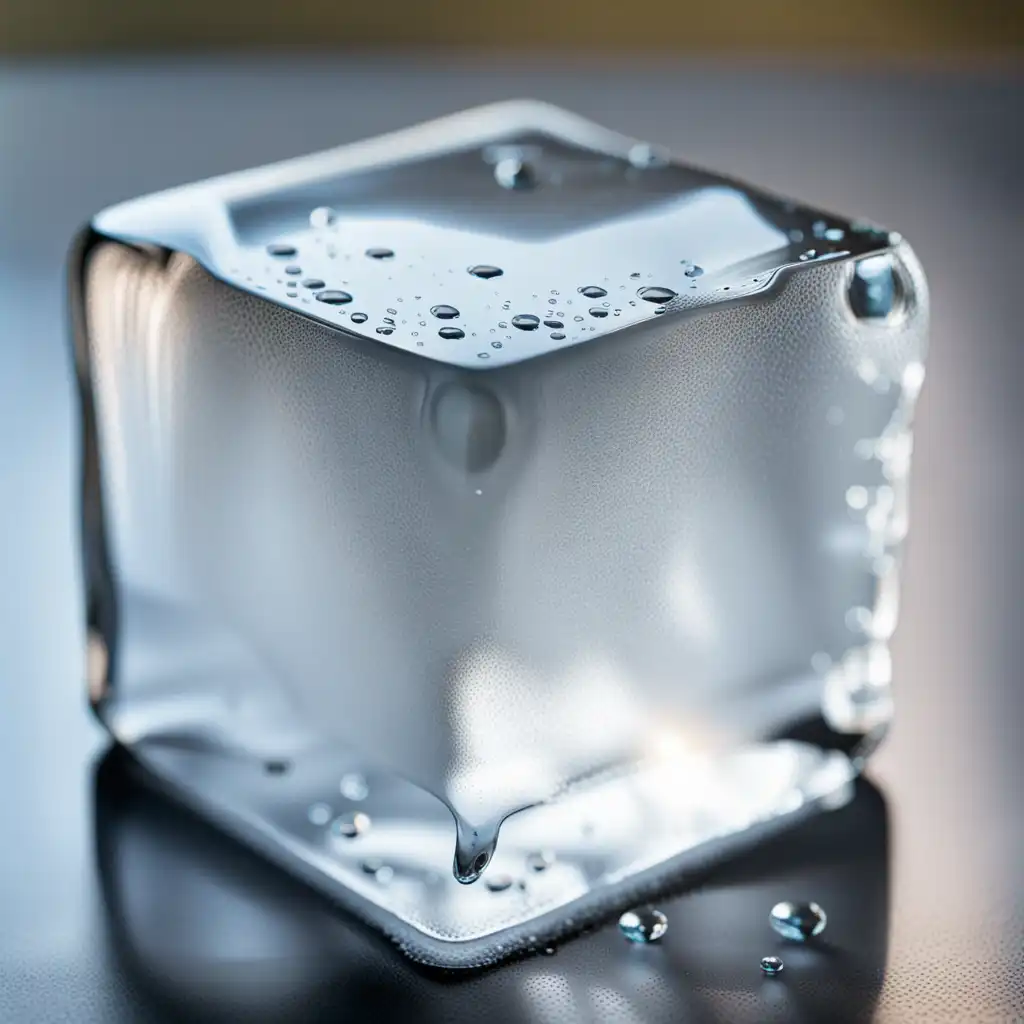
The action of changing or the state of being changed into another form.
The transmutation of water into ice happens at freezing temperatures.
transmutation
ˌtrænzmjuːˈteɪʃn
Đang tải…
ˌtrænzmjuːˈteɪʃn
The action of changing or the state of being changed into another form.
The transmutation of water into ice happens at freezing temperatures.
ˌtrænzmjuːˈteɪʃn
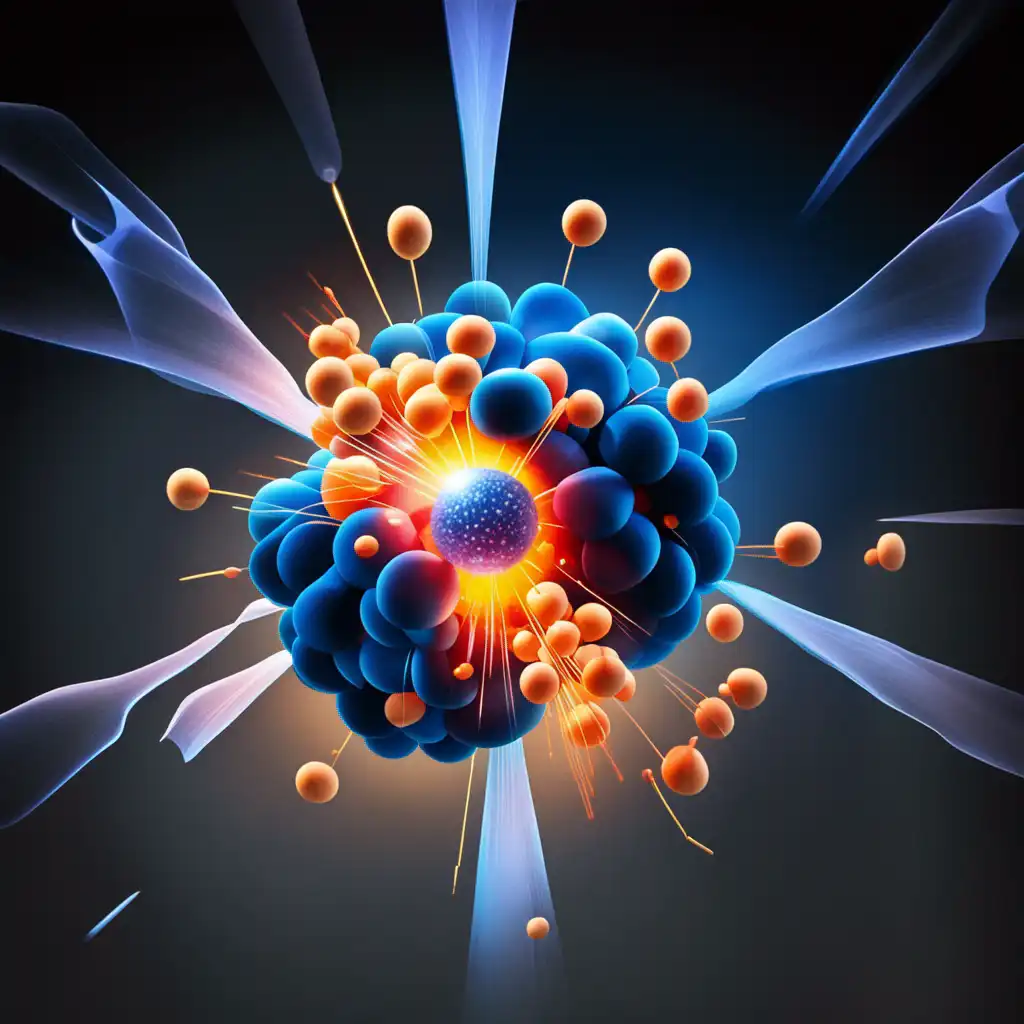
The changing of one element into another by nuclear reaction.
In nuclear physics, the process of neutron capture often involves the transmutation of elements.

ˌtrænzmjuːˈteɪʃn
Conversion of base metals into gold or silver, a process attempted in alchemy.
The alchemist's life-long goal was the transmutation of lead into gold.
Không tải được âm thanh. Vui lòng thử lại sau.
Transmutation means to change from one substance or form to another. For example, when water evaporates and turns into steam, that is a form of transmutation. In science, transmutation can also refer to changing the nucleus of an atom by adding or removing particles. In everyday language, transmutation is not used very often, but it can be used to describe any kind of significant change or transformation.
Alteration refers to a change in something without completely transforming it into something else. For example, altering a dress means changing its size or design, but it still remains a dress.
Alteration is commonly used in the context of fashion and textiles.
Alteration means making changes while keeping the original form intact, while transmutation means completely transforming something into something else.
Mở từ: Alteration →Conversion and transmutation are both words that refer to a change in form, but they have different meanings.
Conversion refers to a change from one form to another, typically involving a change of state or conversion of substances.
For example, converting water into steam by boiling it is a conversion because the water changes from a liquid into a gas.
Conversions can also refer to changes in beliefs, attitudes or values. For instance, someone might undergo a conversion from atheism to Christianity or from being a meat-eater to a vegetarian.
Conversion refers to a broad range of changes, while transmutation is specifically about changing one substance into another, usually at the atomic level.
Mở từ: Conversion →Evolution refers to the gradual change and development of species over time, either by natural selection or other factors.
Evolution happens through the mechanism of genetic variation and the passing down of favorable traits from one generation to the next.
It is not generally applicable to biological organisms or their evolution.
Evolution explains how species gradually change over time, while transmutation is a process of changing one element into another through nuclear reactions.
Mở từ: Evolution →Metamorphosis and transmutation are both about a significant change, but they have slight differences in their meaning.
Metamorphosis is a process of transformation from one form to another.
Metamorphosis can also refer to a gradual change in the physical or emotional state of a person, like growing up or going through a life-changing experience.
Metamorphosis is a change in form or state, often in living things, while transmutation is a change in substance, often in non-living things.
Mở từ: Metamorphosis →Mutability refers to the ability of something to change or be changed over time, while transmutation refers to the process of changing one thing, often an element or substance, into another.
Mutability can be applied to more abstract or intangible things such as emotions, thoughts, or ideas that can change over time.
It can also be applied to physical objects, but usually involves a more gradual change. For example, a rock eroded by water over a long period of time can be said to have undergone mutability.
Mở từ: Mutability →Transfiguration refers to a significant change or transformation in someone or something's appearance, nature, or form.
It often refers to a change in a person's spiritual or moral condition. This term is more commonly used in a religious context, such as the transfiguration of Jesus in the Bible or a transformation in a person's character through religious practices or beliefs.
Transfiguration refers to a change in appearance or nature in a religious or spiritual context, while transmutation refers to changing one substance or element into another in a scientific context.
Mở từ: Transfiguration →Transform and transmutation both refer to a change in form or nature, but they are used in slightly different contexts.
Transform generally refers to a change in appearance or function, but the underlying nature of the thing being transformed remains the same.
For example, a caterpillar transforms into a butterfly, but it is still the same insect with the same DNA.
In other contexts, it may refer to a more metaphorical or spiritual transformation. For example, alchemists sought to achieve transmutation by turning base metals into gold.
Both words involve change, but transform is more about change in appearance or function, whereas transmutation is about a more profound change in the nature or composition of something.
Mở từ: Transform →Transmogrification refers to a complete and often bizarre transformation or change in appearance or form.
In simpler terms, transmogrification refers to a change in appearance or form, while transmutation refers to a change in substance or nature.
Mở từ: Transmogrification →Transubstantiation refers to the belief in some religions, such as Catholicism, that during the sacrament of the Eucharist, the bread and wine are transformed into the actual body and blood of Jesus Christ, while still retaining their appearance and taste.
Transmutation is a scientific term that describes a physical transformation, while transubstantiation is a religious term that describes a spiritual transformation.
Mở từ: Transubstantiation →The spear-wielding stork...
Xem trên YouTube ↗In nature, there is less death and destruction than death and transmutation.
A powerful way to...
Xem trên YouTube ↗Each emission of an alpha or beta ray accompanies the transmutation of an atom; the energy communicated to these rays comes from inside the atom.
Akiva Goldsman on the...
Xem trên YouTube ↗It was at the beginning of 1934 while working on the emission of these positive electrons that we noticed a fundamental difference between that transmutation and all the others so far produced; all the reactions of nuclear chemistry induced were instantaneous phenomena, explosions.