
gradation
noun gradation
ɡrəˈdeɪʃn
The process of changing by degrees or steps
There is a gradual gradation from dark to light in this painting.
gradation
ɡrəˈdeɪʃn
लोड हो रहा है…
ɡrəˈdeɪʃn
The process of changing by degrees or steps
There is a gradual gradation from dark to light in this painting.
ɡrəˈdeɪʃn
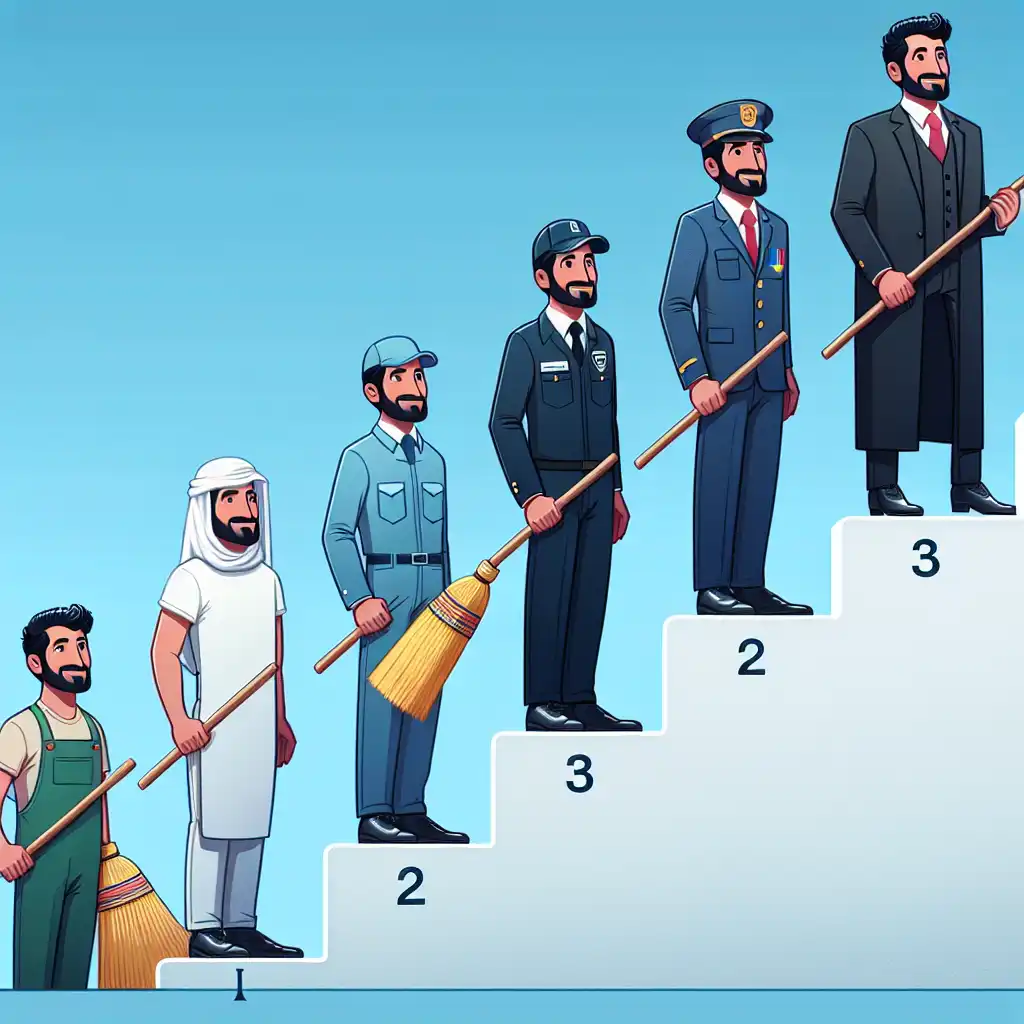
A level in a system or scale of things
He rose through the gradations of the company from cleaner to CEO.
ɡrəˈdeɪʃn
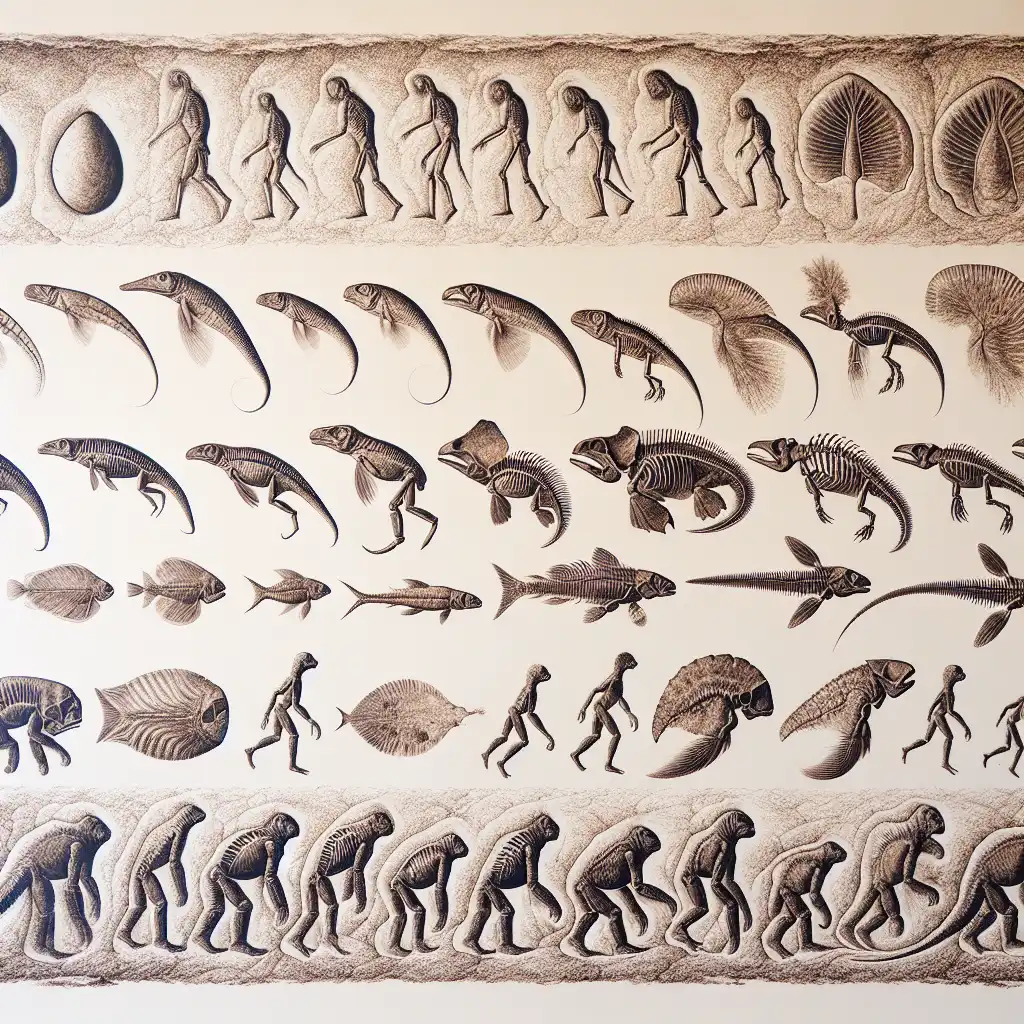
The arrangement or classification of something in stages or degrees
Fossils help to reveal the gradation and evolution of different species over time.
ऑडियो लोड नहीं हो सका। कृपया बाद में फिर कोशिश करें।
Gradation refers to a gradual progression from one level, shade, or amount to another. It can be used to describe a variety of things, such as the transitioning of colors in a painting, the change in volume of sound, or the increasing difficulty of a task. Essentially, gradation describes a process of "stepping up" or "stepping down" in some way. For example, if you were describing the colors of a sunset, you might say that the sky moved from a bright orange to a deeper red, showcasing a gradation of hues.
Degree refers to a unit of measurement, typically used to indicate the level or amount of something. For example, when we talk about temperature, we use degrees Celsius or degrees Fahrenheit to indicate how hot or cold it is.
Degrees can also describe levels of education, such as a bachelor's degree or a master's degree.
Degree is a unit of measurement, while gradation refers to a gradual progression or change. Degrees are typically used to describe specific levels or amounts, while gradation describes a series of steps or stages that lead to a final outcome.
शब्द खोलें: Degree →Gradation and increment are both words that refer to a gradual increase or progression.
Increment specifically refers to a measurable increase in quantity or value. For example, a salary increment refers to a specified amount of money added to one's salary.
Gradation is applicable when talking about gradual changes or transitions, while increment is applicable when referring to measurable increases or additions.
शब्द खोलें: Increment →Gradation and level both refer to a measurement of something, but they are used in different contexts.
Level is used when talking about a specific height or position in relation to other things. For example, the level of a floor, the water level in a pool, or the level of difficulty in a video game.
Gradation refers to a gradual change while level refers to a specific height or position.
शब्द खोलें: Level →Both gradation and progression refer to a sequence of steps or stages, but there is a subtle difference between the two.
Gradation is a gradual change or progression from one stage to the next, usually in small increments. For example, the colors of a sunset can be described as having a gradation from orange to pink to purple.
Progression implies a more structured or intentional sequence of actions or developments leading towards a goal. For example, a student's progression in their academic journey might be from elementary school to middle school to high school, with each step building upon the previous one.
Gradation refers to a more fluid and subtle change, while progression is more structured and purposeful.
शब्द खोलें: Progression →Gradation and scale are often used interchangeably, but there is a difference:
Scale refers to a system of measurement or ranking that is used to compare different objects or experiences. This term is usually applied when describing things like size, magnitude, or importance.
Example: The Richter scale measures the magnitude of earthquakes.
So, while gradation has to do with a gradual change or progression, scale has to do with measurement and comparison.
शब्द खोलें: Scale →A staircase is a series of steps that are designed to help people move from one level to another in a building or structure.
Gradation refers to a gradual change or progression, while a staircase is a physical series of steps for moving between two levels or locations.
शब्द खोलें: Staircase →Gradation and step are both words that describe a progression from one thing to another, but they have different meanings and uses.
It refers to a continuous series of steps or changes leading to a particular outcome.
Step is a discrete movement from one level or stage to another. It refers to a distinct, individual action or phase. For example, you take steps ascending a staircase one at a time, each being a distinct action.
In computer programming or mathematics, step refers to a specific increment, such as stepping through a loop.
Gradation is a gradual progression or change, while step is a discrete, individual action or movement.
शब्द खोलें: Step →David Anderson: Your...
YouTube पर देखें ↗There is no chance and anarchy in the universe. All is system and gradation. Every god is there sitting in his sphere.
Your brain is more than...
YouTube पर देखें ↗We allow for many more gradations of personality in life than we do in art.
I consider myself a progressive. I have a passion for people who work. To me, this is about forward looking versus backward looking. Ideological gradations are the wrong way to look at it.
Imagine a world alive with incomprehensible objects, and shimmering with an endless variety of movement and innumerable gradations of colour. Imagine a world before the 'beginning was the word.
There are different gradations of personhood in different poems. Some of them seem far away from me and some up close, and the up-close ones generally don't say what I want them to say. And that's true of the persona in the poem who's lamenting this as a fact of a certain stage of life. But it's also true of me as me.
Tyranny or slavery, born of selfishness, are the two educational methods of parents; all gradations of tyranny or slavery.
There certainly have been a lot of changes, although they come in such gradations that most people have either forgotten, or, if they're too young, they never knew about them in the first place.
Every glass thermometer has subtle variations in the size and shape of the bulb at the bottom and the capillary tube inside, as well as variations in the width of gradations on the side. The compounded effect of these uncertainties is that each thermometer reads temperature slightly differently.
It's kind of a language I've developed over time that's basically breaking up the face into components and planes. Inside each plane, I draw gradation marks, and when planes come together, they form sinews, a hairlike weave that's like a landscape of the face.
Anyone who has passed though the regular gradations of a classical education, and is not made a fool by it, may consider himself as having had a very narrow escape.