
waif
noun waif
weɪf
A homeless and helpless person, especially a neglected or abandoned child.
She looked after the waif she found in the streets.
waif
weɪf
読み込み中…
weɪf
A homeless and helpless person, especially a neglected or abandoned child.
She looked after the waif she found in the streets.
weɪf
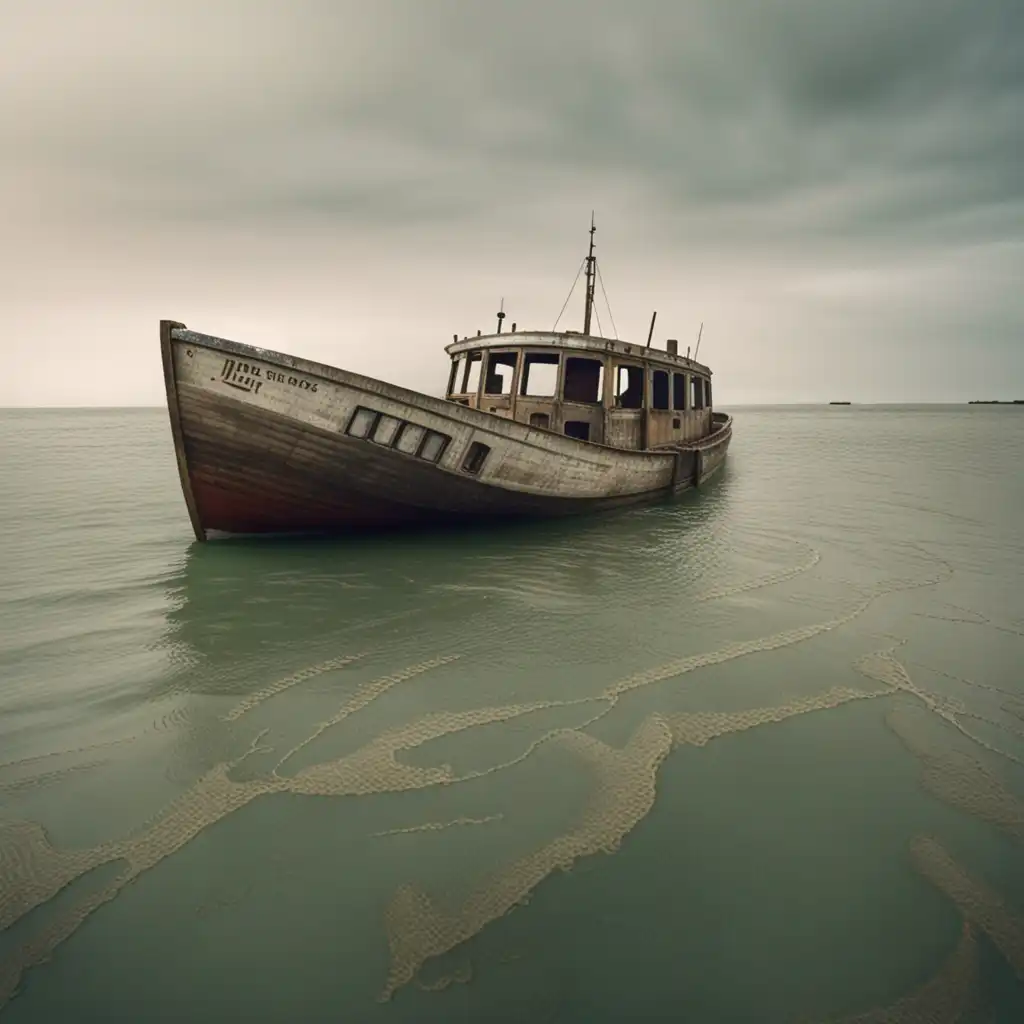
An unclaimed or ownerless object, especially a piece of wreckage.
The court declared the boat a waif after its owner could not be found.
weɪf
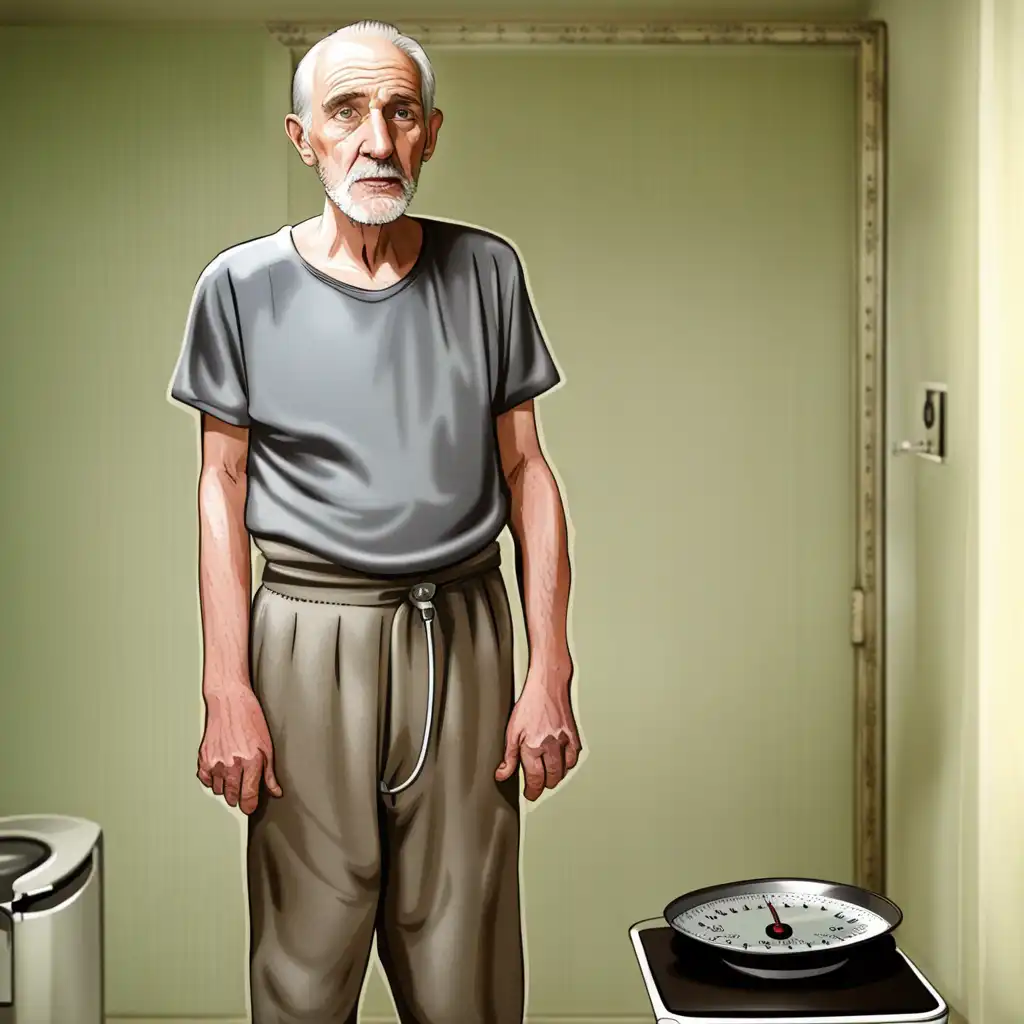
A thin, frail, or undernourished person or animal.
He was a waif of a man, barely reaching 100 pounds.

weɪf
A person who appears fragile or slight, especially a model perceived as having an innocent or vulnerable appearance.
She moved with the grace of a waif, fragile but beautiful.
音声を読み込めませんでした。しばらくしてからもう一度お試しください。
A 'waif' is a word used to describe a person, especially a child, who is alone or lost and has no home or family to take care of them. It can also refer to something that is seemingly abandoned or forgotten, such as a stray animal or a neglected object. It is important to use this word with sensitivity and understanding, recognizing the possible difficult circumstances that may have led to someone or something becoming a waif.
A castaway is someone who has been deliberately or unintentionally left or stranded somewhere, usually on a deserted island or remote location, without any means of escape or survival.
Castaway is applicable in situations where someone has been lost or stranded in the wilderness or at sea, such as in the movie Cast Away starring Tom Hanks.
Waif is applicable when talking about neglected or homeless children who need help and support. In a nutshell, a castaway is someone who has been cut off from civilization, while a waif is someone who is vulnerable and needs assistance.
単語を開く: Castaway →A foundling is a child who is found abandoned and without any known parents or guardians. The term is applicable when referring to a child who has been left in a public place or handed over to authorities with no identifying information.
A foundling is specifically a child who has been abandoned without any identifying information, while a waif is more general and refers to any person who is without a permanent home or source of support.
単語を開く: Foundling →Homeless refers to a person who does not have a permanent place to live or stay, and is often associated with poverty or personal circumstances.
While both terms describe someone who lacks a certain degree of stability or support, homeless tends to have a more general connotation of lacking shelter or resources, whereas waif typically implies a more vulnerable or helpless state of being.
In everyday use, homeless might be more appropriate when referring to someone experiencing temporary or chronic homelessness due to financial struggles or other factors, while waif might be used to describe a child or young person who is alone or in need of help.
単語を開く: Homeless →Neglect refers to the act of failing to give proper care or attention to something or someone.
It can imply a lack of responsibility or negligence on the part of the caregiver. For example, if a parent neglects their child, it means they are not providing proper care, such as food, clothing, shelter or emotional support.
A waif may have been neglected, but not all neglected children are waifs.
Neglect describes a failure to provide proper care, while waif describes a vulnerable person who has been abandoned or lost.
単語を開く: Neglect →Orphan refers to a child who has lost both parents, whereas waif refers to a child who has been abandoned or is homeless.
Orphan is used when both parents have died or are not present in the child's life, while waif describes a child who is alone and vulnerable, often without a proper home or family to care for them.
Essentially, orphan connotes an absence of parents, while waif connotes an absence of support and a lack of a stable living environment.
単語を開く: Orphan →Stray refers to an animal that has wandered away from its home or owner and is lost. The animal may have accidentally gotten lost or may have intentionally wandered off.
Stray is used mostly in the context of animals while waif is used mostly in the context of people. Stray could be used to describe a lost pet or a wild animal that has come into contact with humans.
単語を開く: Stray →Vagrant refers to someone who is homeless and wanders from place to place without a permanent home or job. This person may be seen begging or sleeping on the streets.
While both words refer to individuals who lack a stable home, vagrant is often used to describe adults who have chosen a wandering lifestyle, while waif describes children who are in need of care and protection.
A vagrant is a homeless adult who chooses to wander, while a waif is a child who has been abandoned or lost and is in need of help.
単語を開く: Vagrant →Poor Abandoned Baby...
YouTube で見る ↗People always say, 'Oh, you've played a lot of waifs... ' but they were just girls. It's just that a lot of those everyday characters had never been on the screen before. I do hope I didn't get typed. I feel myself that I tried to do different things with those women.
I've never been a waif; I have a womanly figure and always did.
I will never be a waif. I want to market myself as a healthy-looking woman who is an action-star kind of girl.
I still don't know what the 'ideal' woman is. Waifs will always be in demand because it's a lot easier to design for straight up and down rather than round curves. This is the reality, unfortunately.
I feel badly for those girls who have to be so waif thin, doing those catwalks all the time because, luckily, we're going into a different time - that's what they're saying, at least - in we're appreciating a curvier figure. But to be honest, I couldn't be like an hourglass if I tried.
The Lord did not bless us with any children of our own, so we gathered up little waifs whom we thought would be neglected and would not be cared for unless we brought them into our family.
With so many part-time people on - and not on - the job, corporate America has started to feel like it's on a permanent maternity leave. Colleagues are an amorphous, free-floating army of rotating waifs whose voicemails are clogged with plaintive requests from their own offices for missing information.
My mother was kind and forgiving and would take in all the waifs and strays in our neighbourhood; we always compared her to Mother Teresa. She taught me a lot.
It's not always about money, we got Hull promoted with a collection of loans and waifs and strays.
When the waif look first came into fashion, Anna Nicole Smith was in the Guess campaigns looking like a real woman. A girl who looks too thin and unhealthy does not look sexy to me, and she does not look right for Guess.