misadventure
noun misadventure
ˌmɪsədˈventʃər
An unlucky event or happening that is not intended or planned
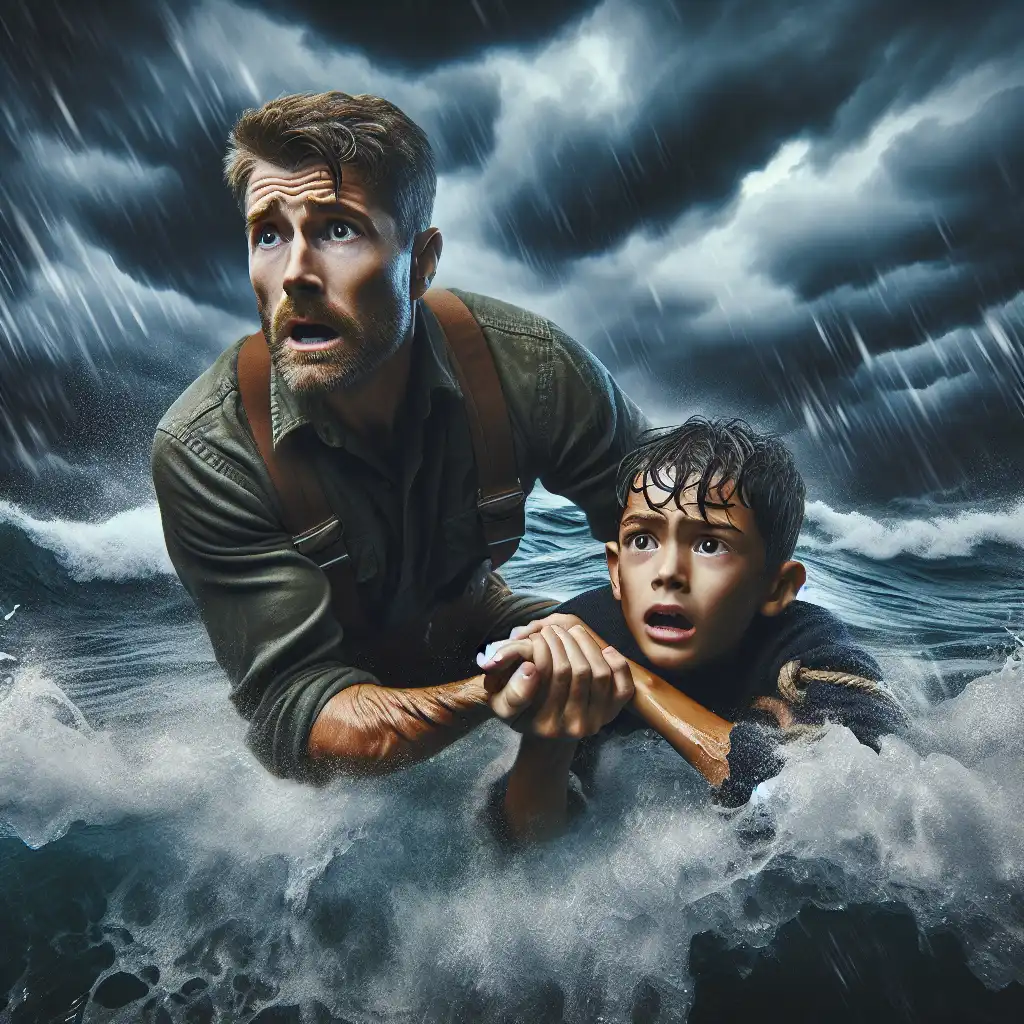
He met his death by misadventure while trying to rescue a child from the sea.
misadventure
ˌmɪsədˈventʃər
読み込み中…
ˌmɪsədˈventʃər
An unlucky event or happening that is not intended or planned
He met his death by misadventure while trying to rescue a child from the sea.

ˌmɪsədˈventʃər
A legal term used to refer to a death caused by an accident or event without any criminal intent
The coroner ruled the cause of death as misadventure.
音声を読み込めませんでした。しばらくしてからもう一度お試しください。
Misadventure is a word that is used to describe a situation where someone has an accident or experiences some kind of unfortunate event without any intention of causing harm. For example, if someone falls down a flight of stairs and breaks their leg, that would be considered a misadventure. It is a way to describe something that happened by chance or accident, rather than as a result of intentional actions. This word is often used in legal contexts or when discussing insurance claims.
Both accident and misadventure describe an unfortunate event that occurs without intention.
Accident refers to an event that is unforeseen and unintended, but it occurred due to chance or mistake. For example, a car crash caused by a driver who was momentarily distracted by a phone call or a spilled cup of coffee is an accident.
Misadventure suggests an accident that occurred due to reckless or dangerous behavior. It implies that the person involved could have avoided the situation if they had taken due care.
Accident is a broader term that applies to any unforeseen event, while misadventure refers to a specific type of accident caused by reckless or careless behavior.
単語を開く: Accident →Blunder refers to a mistake or error in judgment, decision or action that is usually unintentional and can cause harm or embarrassment.
For example, if someone accidentally spills hot coffee on themselves, it is a blunder because they were not careful enough.
単語を開く: Blunder →Calamity refers to a serious disaster or an event that causes great harm or damage, usually beyond someone's control, like a natural disaster or a large-scale accident.
Calamity is typically used to describe more serious or catastrophic events, while misadventure refers to smaller accidents or mishaps that are usually caused by human error.
単語を開く: Calamity →A debacle is a big and often sudden failure that result in great embarrassment or loss.
For example, if a politician were to propose a new law that is widely unpopular and it causes his political career to end abruptly, it would be considered a debacle.
単語を開く: Debacle →Disaster refers to a calamitous event or occurrence that causes great damage or harm, often beyond one's control.
It is typically used to describe an event that results in serious harm, loss of life, or property damage, such as a natural disaster like a hurricane or an earthquake.
To summarize, while both words can describe unfortunate events, the word disaster typically implies a more serious and catastrophic event, while misadventure describes a less severe or consequential event.
単語を開く: Disaster →Fiasco refers to a complete failure or disaster, something that went completely wrong, often with embarrassing or disastrous consequences.
For instance, if you have been planning a party for months, but all your guests don't show up or your caterer messes things up really bad, then you can say the party turned into a fiasco.
It is usually an unexpected and unlucky event which was not planned or wanted, but it may not be as serious as a fiasco.
The main difference between the two words is that fiasco denotes an absolute failure or disaster, whereas misadventure indicates an accidental or unfortunate situation that didn't go as planned.
単語を開く: Fiasco →Misfortune refers to an unfortunate event that occurs due to external factors beyond an individual's control, such as a natural disaster, losing a job, or getting robbed.
Misadventure is applicable when a person's own decisions or actions lead to an unfortunate incident, while misfortune refers to events that are outside of the individual's control.
単語を開く: Misfortune →Misadventure refers to an unfortunate event or a mishap that occurs during a risky or adventurous activity, such as mountain climbing, skydiving, etc.
Mishap refers to an unfortunate event or accident that occurs unexpectedly and unintentionally.
Misadventure is applicable when someone engages in a risky activity, while mishap is applicable when something unfortunate happens unexpectedly.
単語を開く: Mishap →Tragedy refers to a serious and often fatal incident or event that is caused by circumstances beyond control, such as natural disasters or accidents.
It often involves loss or suffering that affects a large number of people. For example, a plane crash, terrorist attack, or major natural disaster could be described as a tragedy.
Misadventure refers to unfortunate incidents that could have been avoided with different choices, while tragedy refers to serious and often fatal events that are out of anyone's control.
単語を開く: Tragedy →Sir Martin Rees: Earth...
YouTube で見る ↗Life, in my estimation, is a biological misadventure that we terminate on the shoulders of six strange men whose only objective is to make a hole in one with you.
Safari Live - Day 226 %\PIPE%...
YouTube で見る ↗In our interconnected world, novel technology could empower just one fanatic, or some weirdo with a mindset of those who now design computer viruses, to trigger some kind of disaster. Indeed, catastrophe could arise simply from technical misadventure - error rather than terror.
The American taxpayers should not have to send one more penny on the Administration's Iraq misadventure. Let's give our troops the supplies they need to get out of Iraq safely. Let's bring our troops home.