intemperance
noun intemperance
ɪnˈtempərəns
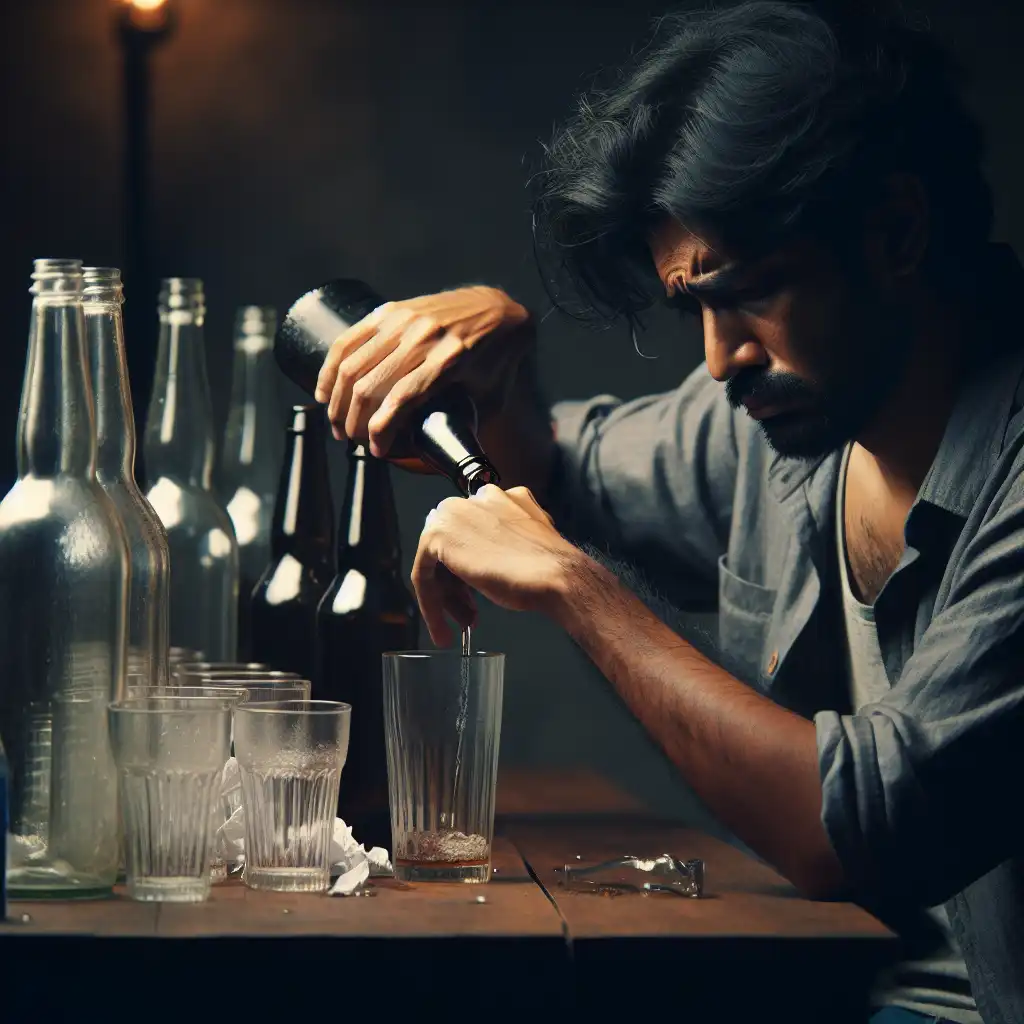
The act of doing something too much, like eating or drinking, without any control.
His life was ruined by his intemperance in drink.
intemperance
ɪnˈtempərəns
Chargement…
ɪnˈtempərəns
The act of doing something too much, like eating or drinking, without any control.
His life was ruined by his intemperance in drink.

ɪnˈtempərəns
The state of showing extreme emotions or behavior.
She showed surprising intemperance in her reaction to the criticism.
Impossible de charger l’audio. Réessayez plus tard.
The word 'intemperance' refers to the condition of not being able to control oneself properly, especially with regards to drinking too much alcohol or indulging in other vices. It can also be used to describe excesses in any area of life and implies a lack of restraint or self-discipline. The word is mainly used in formal or literary contexts to discuss behaviour that goes beyond what is considered acceptable or healthy.
Debauchery and intemperance both refer to excessive indulgence, but debauchery specifically refers to indulging in immoral or sinful activities (such as excessive drinking and sexual activity), while intemperance can refer to any type of excessive behavior, whether it is considered immoral or not (such as excessive eating or spending).
Debauchery is generally used to describe behavior that is considered socially unacceptable or morally wrong, whereas intemperance can refer to any type of excessive behavior.
Ouvrir le mot: Debauchery →Excess means going beyond what is reasonable or necessary. It denotes something that is too much or extra. An example of excess would be eating an entire cake when you only needed a slice or spending all your money on things you don't need.
Both excess and intemperance involve going beyond reasonable or necessary limits, but intemperance specifically refers to lack of control in relation to alcohol.
Excess can refer to any situation where there is too much of something.
Ouvrir le mot: Excess →Gluttony and intemperance are both negative traits related to excessive consumption or indulgence, but they have slightly different meanings.
Gluttony specifically refers to overeating or overindulging in food and drink.
Gluttony is specifically related to overeating, while intemperance is a more general term that can apply to any kind of excessive or unrestrained behavior.
Ouvrir le mot: Gluttony →Incontinence refers to a physical inability to control bodily functions like urination or defecation. It is applicable to medical conditions where a person loses control of these functions.
In simpler terms, incontinence is about lack of control over bodily functions whereas intemperance is about lack of control over behavior.
Ouvrir le mot: Incontinence →Profligacy refers to reckless and wasteful behavior, particularly in regards to money or resources. It often refers specifically to someone who spends money recklessly or indulges in excessive luxury.
Intemperance is about overindulging in something to the point where it becomes harmful, while profligacy is about reckless and wasteful behavior, often involving money.
Ouvrir le mot: Profligacy →A physician is not angry at the intemperance of a mad patient, nor does he take it ill to be railed at by a man in fever. Just so should a wise man treat all mankind, as a physician does his patient, and look upon them only as sick and extravagant.
If you are suffering from your intemperance in eating or in drinking, we that are around you, or associated with you, are affected by your infirmities. We have to suffer on account of the course you pursue, which is wrong. If it has an influence to lessen your powers of mind or body, we are affected by it.
Intemperance and intolerance serve no one, and hatred guarantees failure.
There can be little doubt that absence from work, and inefficient work, are frequently due to intemperance.
Indulging in unrestrained and immoderate laughter is a sign of intemperance, of a want of control over one's emotions, and of failure to repress the soul's frivolity by a stern use of reason.
I would not wish to imply that most industrial accidents are due to intemperance. But, certainly, temperance has never failed to reduce their number.
If I am outspoken of the dangers of intemperance to members of our armed forces, it is because we are all especially concerned for the welfare of those who are risking their lives in the cause of freedom.