
unionist
noun unionist
ˈjuːniənɪst
A person who supports a union, especially a trade or labor union
He has been a unionist his whole working life, advocating for workers' rights and benefits.
unionist
ˈjuːniənɪst
加载中…
ˈjuːniənɪst
A person who supports a union, especially a trade or labor union
He has been a unionist his whole working life, advocating for workers' rights and benefits.

ˈjuːniənɪst
A person who supports political union, especially one who supports the union of Northern Ireland with the United Kingdom
The unionist party has aligned itself with conservative politics in the UK parliament.
ˈjuːniənɪst
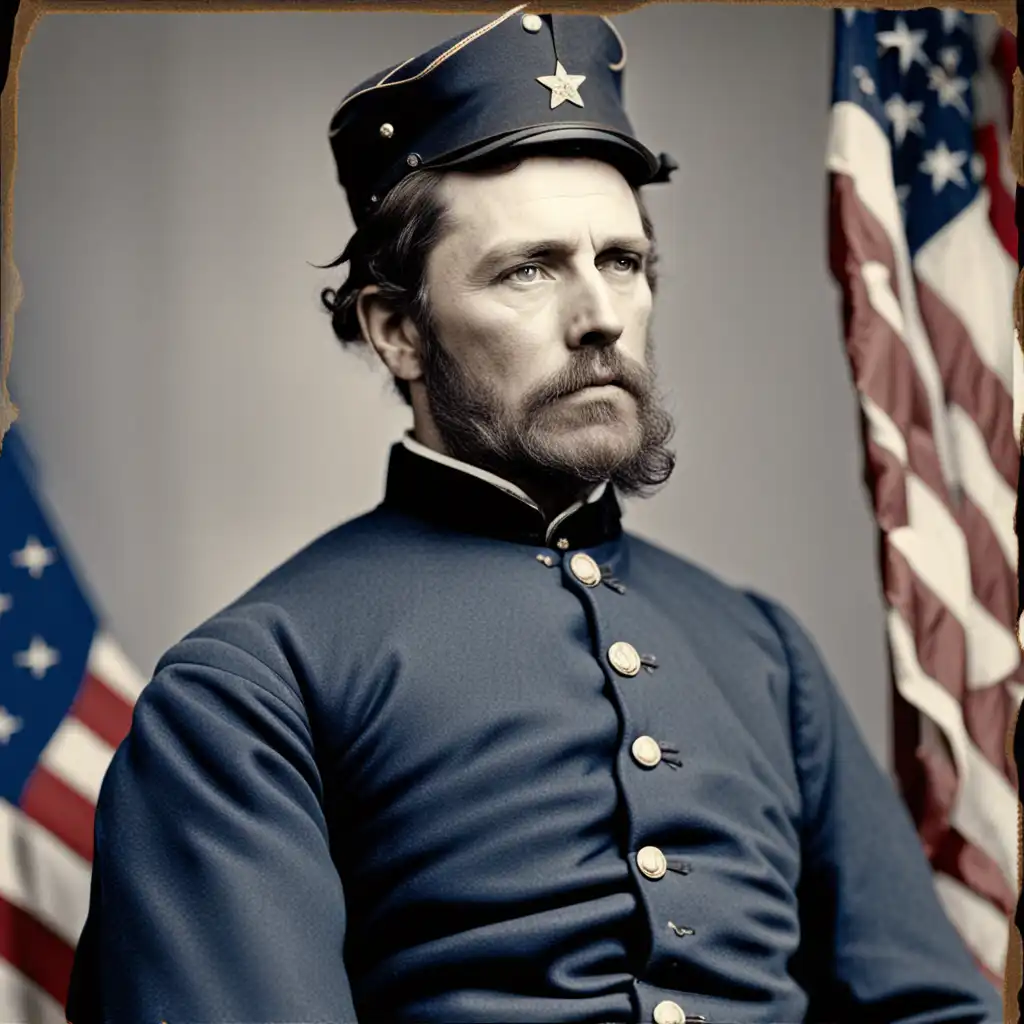
A person who supported the cause of the Union in the American Civil War
In the Civil War, unionists from the North fought against the Confederate forces from the South.
音频无法加载,请稍后再试。
The word 'unionist' refers to a person who supports the unity or union of a group of people, such as a nation or a political party. It is often used in the context of political discussions, particularly in countries where there are debates about the possibility of secession or separation. For example, in the United Kingdom, 'unionist' typically refers to someone who supports the continued unity of the United Kingdom, while 'nationalist' refers to someone who supports independence for Scotland, Wales, or Northern Ireland.
A conservative is a person who holds traditional values and is resistant to change, often associated with the political right-wing.
Both terms can be applicable to political beliefs, but they are not mutually exclusive. For example, someone can be a conservative unionist or a progressive nationalist.
The term conservative can also apply to social and economic beliefs, such as being fiscally conservative or socially conservative.
打开单词: Conservative →A defender is a person who protects or supports something or someone, such as defending someone in a legal case or defending a country in a war.
For example, a defender might be a soldier who defends their country from enemies, while a unionist might support a political party that advocates for a united Europe.
Essentially, defenders focus on protection or support of a specific thing or person, while unionists focus on promoting a broader union or alliance.
打开单词: Defender →Federal refers to a system of government where power is shared between a central authority and individual states or provinces.
Federal is a broader term that describes a certain type of government system, while unionist refers to a specific ideology or movement that seeks to promote unity and cohesion.
打开单词: Federal →The term loyalist generally refers to someone who remains loyal to a particular authority or government, usually a monarchy or political party.
In the context of Northern Ireland, a loyalist is typically someone who supports remaining part of the United Kingdom and identifies as British, rather than as Irish.
In practical terms, the distinction between loyalists and unionists is often blurred or interchangeable, and the terms are often used interchangeably in discussions about Northern Ireland's politics and history.
However, it is generally accepted that loyalists are more closely associated with the Protestant loyalist community in Northern Ireland, while unionists may come from a wider range of religious and cultural backgrounds.
打开单词: Loyalist →Nationalist refers to someone who strongly identifies with and supports their own country and its culture. It often relates to a desire for independence and self-determination.
Generally speaking, nationalists advocate for greater independence and self-rule, while unionists support collaboration and shared governance within a larger, often multinational entity.
打开单词: Nationalist →Patriot refers to someone who strongly supports and loves their country, and is willing to defend and fight for it if necessary.
A patriot is someone who loves and defends their country, while a unionist is someone who supports political unions or maintaining the unity of different states or countries.
打开单词: Patriot →A supporter is someone who approves or advocates for a particular cause or person, while a unionist is someone who supports or advocates for the maintenance or formation of a union, most commonly referring to political or territorial unions.
For example, a supporter of a sports team is someone who cheers them on during games and may defend them against criticism, while a unionist may advocate for the preservation of a political union such as the United Kingdom or for the formation of a new union between countries.
The term supporter can be applied to a wide range of causes or individuals, while unionist typically refers to a specific political movement.
打开单词: Supporter →Traditional refers to something that is customary or has been done in a particular way for a long time. It often relates to cultural practices, beliefs, or values that are passed down from generation to generation.
For example, traditional foods, clothing, or celebrations.
Traditional refers to customs and practices, while unionist refers to political beliefs regarding unity.
打开单词: Traditional →Josie Underwood's Civil...
在 YouTube 上观看 ↗I'm a passionate trade unionist.
The most conservative man in this world is the British trade unionist when you want to change him.
New Labour has systematically alienated section after section of our natural supporters - teachers, health workers, students, pensioners, public service workers, trade unionists and people committed to the environment, civil liberties and peace.
I have opposed the Communist cold war line ever since, both by public utterance and by private help to trade unionists breaking free from the Communist influence.
I am a proud trade unionist.
You won't catch Liberal Democrats describing trade unionists as wreckers.
The unionists also for their part, want to minimise the potential for change, not only on the equality agenda but on the issues of sovereignty and ending the union.
My dear friend Randeep Hooda says I am more a unionist than an actor. I reminded him I was a star and not just an actor.
From 1918 on, trade unionists were to express from the platforms of their congresses the workers' desire for peace through a rational organization of the world.
Then they came for the trade unionists, and I did not speak out - because I was not a trade unionist.