
defamation
noun defamation
ˌdefəˈmeɪʃn
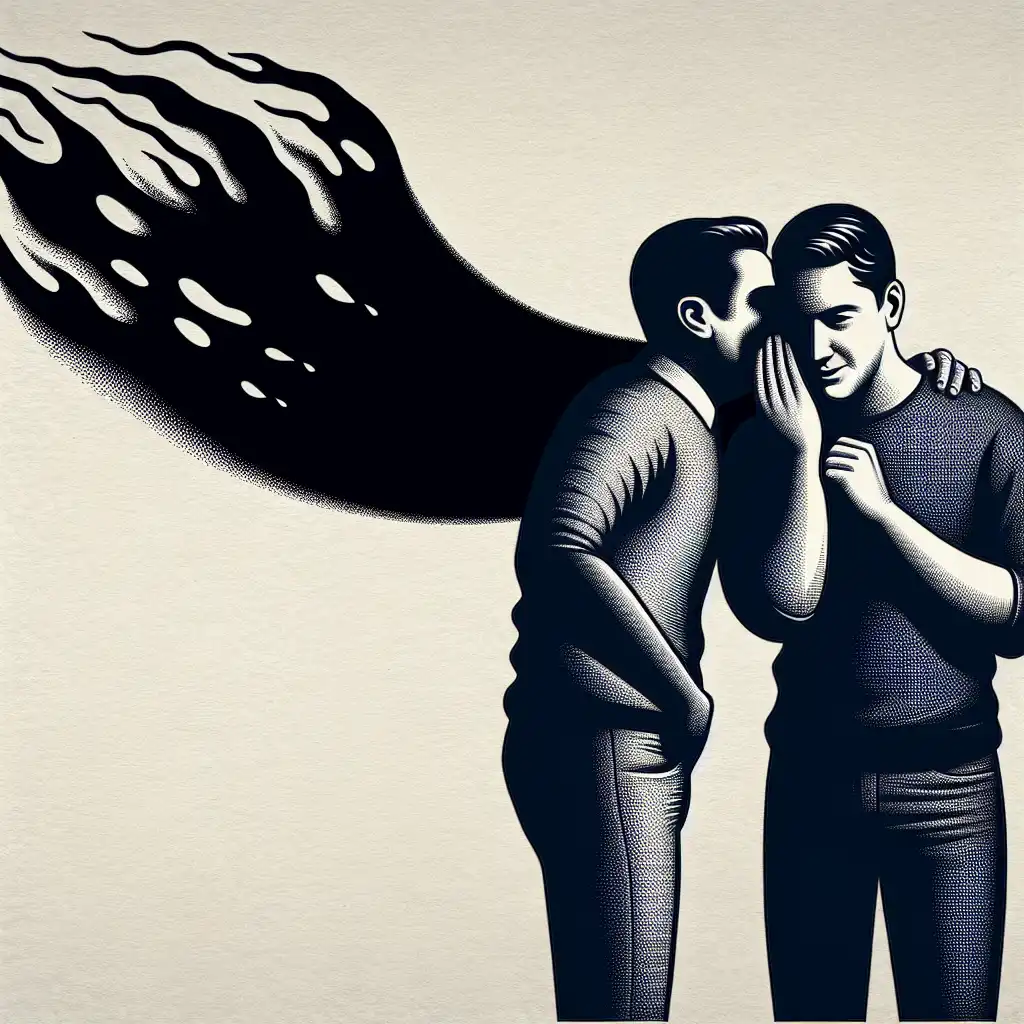
The action of damaging the good reputation of someone by saying untrue things about them.
The celebrity is suing the newspaper for defamation.
defamation
ˌdefəˈmeɪʃn
加载中…
ˌdefəˈmeɪʃn
The action of damaging the good reputation of someone by saying untrue things about them.
The celebrity is suing the newspaper for defamation.
ˌdefəˈmeɪʃn
False statements made about someone or something to cause harm.
The article was full of defamations and lies.
音频无法加载,请稍后再试。
Defamation is a legal term that means saying or writing something untrue about someone that harms their reputation. It can happen in person, online, or in written communication. For example, if you spread a false rumor about someone that damages their reputation, it is considered defamation. It is important to be careful and truthful when talking or writing about other people, so that you do not accidentally commit defamation.
Both words refer to making false statements about someone that damages their reputation, but calumny generally means making false and malicious statements in order to hurt someone's reputation, while defamation is making false statements that harm someone's reputation.
Calumny is more severe than mere defamation, as it suggests more extreme and deliberate intent to harm another person. Both can be applicable in a legal context, but calumny may carry more serious consequences in criminal law.
Essentially, calumny suggests making false statements with a specific intent to damage someone's reputation, while defamation refers to any untrue statement that harms someone's reputation, regardless of intent.
打开单词: Calumny →Insult is an offensive or disrespectful remark made towards someone.
Defamation refers to making false statements that harm someone's reputation, while an insult is an offensive or disrespectful remark.
Defamation can have legal consequences, while an insult, even though hurtful, may not.
打开单词: Insult →Libel is a specific type of defamation that involves written or published statements made with the intent to harm someone's reputation.
In other words, defamation can happen through spoken or written words, while libel specifically refers to written or published statements.
Libel is often associated with newspapers, magazines, or social media posts, while defamation can happen in any form of communication.
For example, if someone spreads a rumor about you at school that you cheated on a test, that is defamation. If someone writes a blog post accusing you of cheating and publishes it online for everyone to see, that is libel.
Both defamation and libel can have serious consequences, including damage to your reputation and emotional distress.
打开单词: Libel →It can be in written or spoken form. Malice refers to the intention to harm someone. It means that the person saying or writing something negative about someone else did it on purpose, with the intent to cause harm or damage to that person's reputation.
Malice can be applicable in cases where someone makes these false statements with the intention of causing harm or damage to the person they are speaking about.
In simpler terms, defamation is saying something false that harms someone's reputation, and malice is doing it on purpose with the intent to cause harm.
打开单词: Malice →Misrepresent is an act of giving false or misleading information about something, whether intentionally or not.
It can also be referred to as a false statement of fact. Misrepresentation is applicable in situations when someone misrepresents something, such as a product they are selling, leading the buyer to believe it is something it is not.
In simpler terms, defamation is when someone tells lies about you that causes harm to your reputation, and misrepresentation is when someone falsely represents something, causing someone else to be misled.
打开单词: Misrepresent →Defamation and slander are both legal terms that refer to false and damaging statements made about someone.
Defamation is a general term that refers to both oral (slander) and written (libel) false statements that harm someone's reputation.
Slander specifically refers to false oral statements made about someone. This type of defamation includes spoken words, gestures, and facial expressions communicated to others that suggest a negative aspect of the person.
Slander is applicable when someone spreads malicious or false rumors about someone publicly, such as in a speech, radio, television or in a conversation.
In essence, slander is a type of defamation that happens to be spoken.
打开单词: Slander →Smear refers to a specific type of defamation where a person or group spreads false or misleading information about another person or group in order to damage their reputation or credibility.
Smears are often used in politics or other competitive arenas to gain an advantage over an opponent.
In short, while defamation refers to any false statement that harms someone's reputation, a smear is a specific type of defamation that involves spreading false or misleading information for the purpose of harming someone's reputation or credibility.
打开单词: Smear →Vilification refers to the act of making statements or remarks that incite hatred, contempt or ridicule against a particular group of people based on their race, religion, ethnicity, sexual orientation, or other characteristic.
Defamation affects an individual, while vilification targets a group. Defamation focuses on damaging a person's reputation, while vilification aims to incite public hatred against a group of people.
打开单词: Vilification →and a little while later the accusing daughter filed a lawsuit. Even though I'd never mentioned her name, she sued me for defamation and invasion of privacy. And I went through nearly five years
在 YouTube 上观看 ↗My initial response was to sue her for defamation of character, but then I realized that I had no character.
Life is an affirmation, not a defamation. Life means living. Life means taking that one tiny or giant leap beyond what you know you can do, or simply beyond what you know. It is in these moments that we live.
The truth is truth. I have never made a charge in my political career of 30 years where I have been disapproved. No defamation case has succeeded against me.
I'm sure I took some licks at the system, and at trials and lawyers in general. I've seen enough of them for so many years both as a cop and a defendant in defamation cases.
Theatre owners cannot threaten actors with defamation cases and take them to court or seek compensation for losses incurred.
The public is increasingly disgusted with a steady diet of defamation, and prepared to reward those who refrain from it.
As a lawyer who has dealt in defamation, I know that someone's reputation has to be lowered in the eyes of right-thinking people to sue.
Australia's defamation laws help explain why the #MeToo movement, while managing to take down some of the most powerful men in the entertainment and media industry in the United States, has not taken off there.
More people need to understand the games secular liberals play. Here's one rule-of-thumb: No matter how bad a story sounds - particularly if it sounds bad - recognize the pattern of defamation.
I first decided to file a defamation case of Rs 50 Crore against Tanushree Dutta, but then I realized her value is nothing in the country so I chose 25 paisa as the defamation amount. That's all is her worth.