blotch
noun blotch
blɑːtʃ
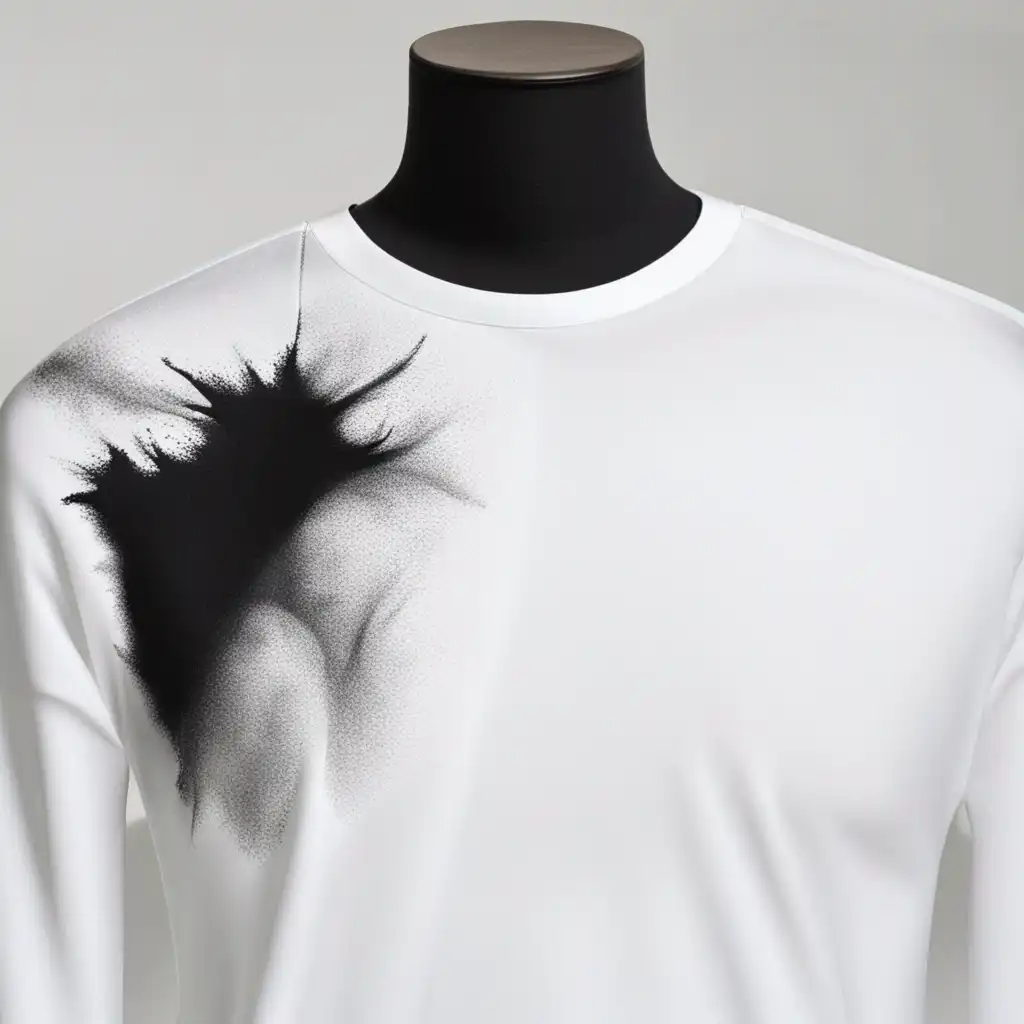
A large spot or area of discoloration that is irregularly shaped.
She noticed a blotch of ink on her white shirt.
blotch
blɑːtʃ
Loading…
blɑːtʃ
A large spot or area of discoloration that is irregularly shaped.
She noticed a blotch of ink on her white shirt.
blɑːtʃ
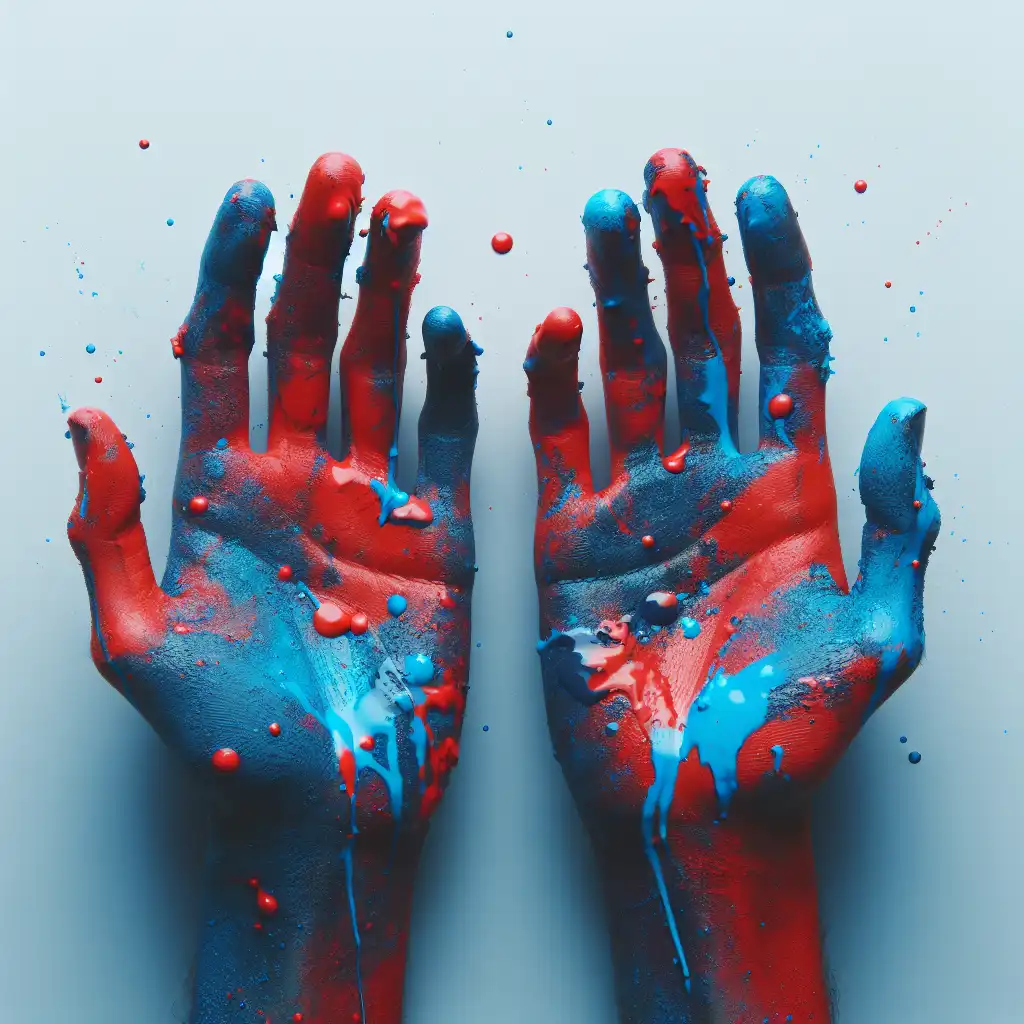
To mark or become marked with blotches.
The paint had blotched her hands with red and blue spots.
Audio could not be loaded. Please try again later.
The word 'blotch' means a spot or mark on something, usually a surface or skin, that is different in color, shape or texture. For example, a red blotch on the skin might indicate a rash or allergy. It can be used to describe imperfections or discolorations on an object as well. It is generally used to describe a large and noticeable mark, rather than something small or subtle. The word is often associated with negative connotations or a negative impression, such as a blotch on someone's reputation.
A blemish is a small flaw or imperfection, typically on a person's skin, while a blotch is a larger, irregularly shaped mark or stain often caused by a spill or rash.
Blemishes are applicable when referring to small marks on the skin, such as pimples or scars. Blotches are applicable when referring to larger stains, such as those from spilled food or rashes.
Open word: Blemish →A blotch is a large and irregularly shaped mark or stain, while a defect is a fault or imperfection in something.
A defect refers to a problem or flaw that affects the function or performance of something, such as a defect in a car's braking system or a defect in a product's design.
A blotch is a physical discoloration, while a defect is a functional problem.
Open word: Defect →Discoloration is a change in the natural color of something due to an internal or external factor.
The word blotch describes a specific and prominent area of discoloration or patchiness, whereas discoloration is a more general term that encompasses a wide range of color changes.
For example, a red rash on the skin could be described as a blotch, whereas the overall yellowing of an old photograph would be referred to as discoloration.
Open word: Discoloration →An imperfection is a more general term that refers to anything that is flawed or not perfect. It could refer to a physical flaw, like a scratch on a surface, or a non-physical flaw, like a flaw in a plan or idea.
Imperfection is a much broader term that encompasses many types of flaws or mistakes.
Blotch is a specific term for a large and visible blemish or stain, while imperfection is a more general term that can refer to any type of flaw.
Open word: Imperfection →A mark refers to any visible spot or trace left by something.
A mark can be a scratch, a line, a dot or any other blemish on a surface.
It is often neutral or positive, like a grade or a signature. Mark is applicable in any situation where a visible indication or symbol is left behind.
Open word: Mark →It can be caused by something like a spill or a stain that spreads and leaves a visible mark. Blotches are usually more noticeable and difficult to remove than smudges.
Smudge is a soft, blurry mark that is often caused by a finger or hand touching or rubbing against something like paper or glass.
Open word: Smudge →Blotch and spot are both words used to describe marks or discolorations on a surface, but they have slightly different meanings.
A spot is a small and usually circular mark.
It can be a different color than the surrounding area, but it doesn't have to be. For example, you might see a spot of rust on a car or a spot of water on a table.
So, in general, a spot is smaller and more uniform in shape, while a blotch is larger and has a more distinctive shape.
Open word: Spot →A stain is a mark caused by the penetration of a substance into something, such as a liquid seeping into a piece of clothing.
Stains can be minor, like a coffee stain on a shirt, or more serious, like an oil stain on a driveway.
A blotch is a large and irregular mark or discoloration, while a stain is a mark caused by the penetration of a substance.
Blotches can occur on any surface, while stains mostly occur on fabrics or other porous materials.
Open word: Stain →Watch Thousands of Dogs...
Watch on YouTube ↗Lord, confound this surly sister, blight her brow with blotch and blister, cramp her larynx, lung and liver, in her guts a galling give her.
Pluto Has All the...
Watch on YouTube ↗I colour my hair mousy brown and I wear makeup only on stage. I use Laura Mercier - something called Biscuit, I think. I run one tiny sponge over my face and cover the red blotches. If I've got some rouge, I'll bung it on my mouth and cheeks.