
tidbit
noun tidbit
ˈtɪdbɪt
A small piece of interesting information
She shared a tidbit about the city's history.
tidbit
ˈtɪdbɪt
読み込み中…
ˈtɪdbɪt
A small piece of interesting information
She shared a tidbit about the city's history.
ˈtɪdbɪt
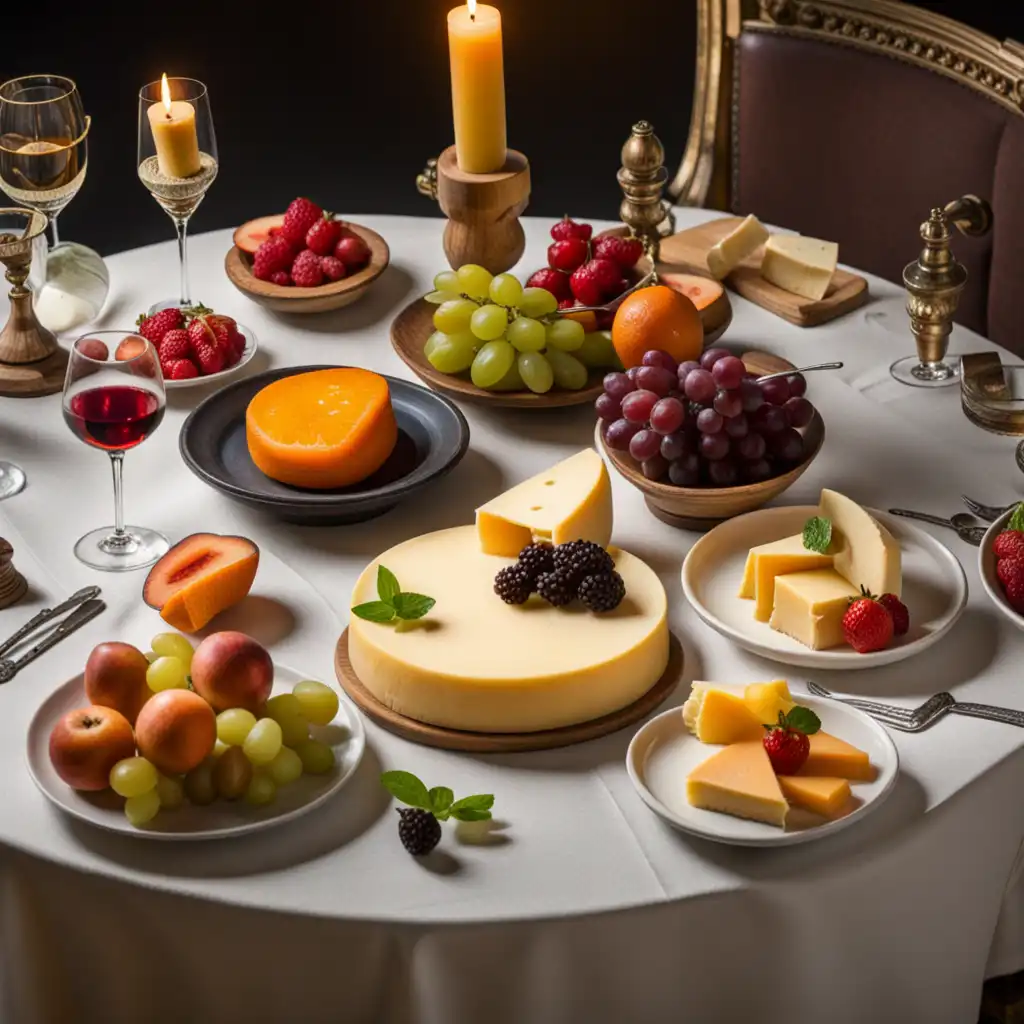
Small attractive piece of food
She was enjoying tidbits of cheese and fruit.
音声を読み込めませんでした。しばらくしてからもう一度お試しください。
The word 'tidbit' is used to describe a small piece or amount of information, news, or gossip that may be interesting or entertaining. It is commonly used in social situations or informal conversations, where someone may share a tidbit of information about a celebrity, a current event, or a personal experience. Tidbits are often seen as interesting or exciting, and people like to share them with others to start a conversation or create a connection.
An appetizer and a tidbit are both small, bite-sized pieces of food that are served before a meal.
However, the main difference is that an appetizer is typically a more substantial dish that is meant to whet your appetite and prepare you for the main course.
A tidbit is a smaller, more snack-like dish that is often served as a garnish or accompaniment to drinks or other appetizers.
You might order an appetizer when you're sitting down for a full meal at a restaurant, while you might snack on tidbits or finger foods at a party or gathering.
単語を開く: Appetizer →Bite refers to a small amount of food that you can chew and swallow at once.
The word tidbit refers to a small piece of interesting or informative information.
So, while both words refer to something small, bite is used in the context of eating, and tidbit is used in the context of sharing information.
単語を開く: Bite →Delicacy describes a rare or unique food item that is considered a luxurious treat, such as truffles or caviar.
Delicacy refers to an expensive and luxurious food item while tidbit refers to a small and tasty snack or appetizer.
単語を開く: Delicacy →Both morsel and tidbit refer to a small amount of food, but they have slightly different connotations.
Morsel usually refers to a small piece of food that is eaten slowly and savored.
It is often used to describe a delicacy or a treat. For example, "She savored every morsel of the chocolate cake."
Morsel is more formal and has a connotation of luxury or indulgence, while tidbit is more casual and implies something interesting or entertaining.
単語を開く: Morsel →Both words, nibble and tidbit, refer to small amounts of food.
However, nibble generally refers to small bites of food that you eat slowly and steadily over time, while tidbit refers to an interesting piece of information or gossip.
For example, you may nibble on a plate of appetizers at a party, taking small bites of each one as you mingle with guests.
Nibble refers to small amounts of food that you eat gradually, while tidbit refers to an interesting piece of information or gossip you share with others.
単語を開く: Nibble →Snack generally refers to a small amount of food that is eaten between meals. It could be something like a granola bar, chips, or a piece of fruit.
Snacks are typically eaten to satisfy hunger or cravings.
To sum up, a snack is a small amount of food that is eaten between meals, while a tidbit is a small and interesting piece of information.
単語を開く: Snack →Treat usually refers to something that makes you feel good.
It can be a reward for good behavior or something that is enjoyable to eat or experience. For example, "I'm going to treat myself to some ice cream after finishing my homework" or "Going to the spa was such a treat.".
Tidbit refers to a small piece of information or food, while treat refers to something enjoyable or rewarding.
単語を開く: Treat →Watch the Total Solar...
YouTube で見る ↗Deep down, creationists realize they will never win factual arguments with science. This is why they have construed their own science-like universe, known as Intelligent Design, and eagerly jump on every tidbit of information that seems to go their way.
I think a little tidbit I can give you is that I grew up with basically everything handed to me, except for my career. I worked for that.
Your email inbox is a bit like a Las Vegas roulette machine. You know, you just check it and check it, and every once in a while there's some juicy little tidbit of reward, like the three quarters that pop down on a one-armed bandit. And that keeps you coming back for more.