dysphoria
noun dysphoria
dɪsˈfɔːriə
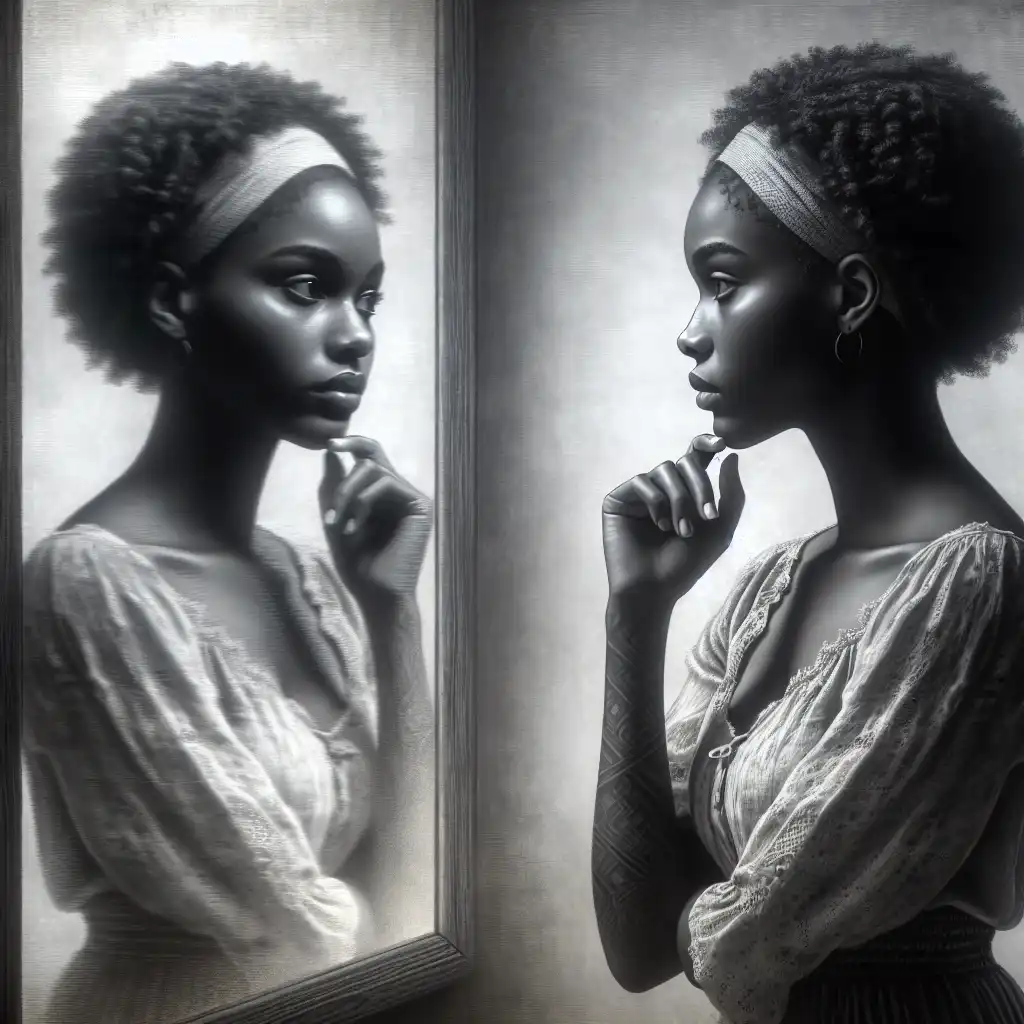
A state of unhappiness or sadness, often related to gender identity
Many transgender people experience gender dysphoria before they transition
dysphoria
dɪsˈfɔːriə
Cargando…
dɪsˈfɔːriə
A state of unhappiness or sadness, often related to gender identity
Many transgender people experience gender dysphoria before they transition
dɪsˈfɔːriə
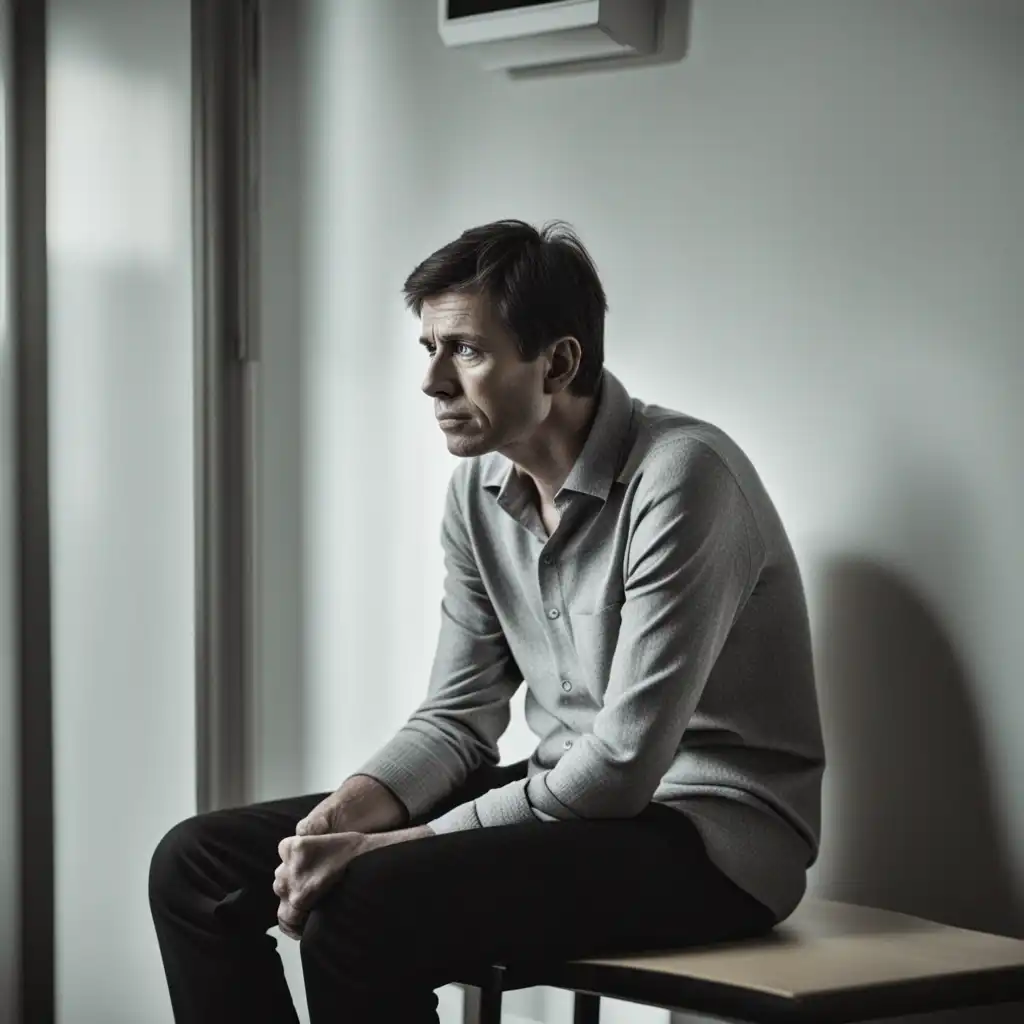
A feeling of dissatisfaction, anxiety, and restlessness
The patient reported feelings of dysphoria and nervousness
No se pudo cargar el audio. Inténtalo de nuevo más tarde.
Dysphoria is a word that describes a feeling of unhappiness or discomfort. It is often used to describe a feeling of unease or dissatisfaction with a certain situation or aspect of one's life. For example, someone who is experiencing dysphoria may feel unhappy or uncomfortable with their body, their job, or their relationships. The word is often used in the context of mental health, and may be used to describe symptoms of depression, anxiety, or other mental health conditions. If you are an English learner, it is important to understand the context of dysphoria so that you can use it appropriately in conversation or writing.
Agitation refers to a state of restlessness or excitement, often accompanied by physical movements like pacing or fidgeting.
Agitation can be caused by a variety of factors, such as anxiety, medication side effects, or drug use.
Both agitation and dysphoria can occur in different situations and affect people differently. Agitation may be more applicable to situations where a person is physically restless or unable to sit still, while dysphoria may be more commonly used to describe emotional discomfort or dissatisfaction.
Abrir palabra: Agitation →Anguish refers to intense mental or emotional suffering, often as a result of a difficult or painful experience, such as the death of a loved one or a traumatic event.
Anguish is applicable to situations where there is deep emotional pain, while dysphoria is applicable to a broader range of feelings of discomfort or dissatisfaction.
Abrir palabra: Anguish →Discomfort refers to a general feeling of physical or emotional unease or mild pain.
Dysphoria refers to a more intense, persistent feeling of emotional discomfort or unease that is often associated with mental health conditions such as depression or anxiety.
Discomfort is a normal and often temporary experience, while dysphoria is a more serious and ongoing emotional state that may require professional support to manage.
Abrir palabra: Discomfort →Displeasure refers to a feeling of dissatisfaction or dissatisfaction with something.
It is usually a mild feeling and can be caused by small things like bad weather or someone being rude. Displeasure is generally not very severe and can be easily overcome.
Displeasure is a mild feeling of dissatisfaction, while dysphoria is a more severe feeling of sadness, anxiety, or dissatisfaction that often requires professional help.
Abrir palabra: Displeasure →Distress refers to a feeling of discomfort or suffering that arises from external circumstances such as stress or anxiety.
In simpler terms, distress is a general feeling of discomfort, while dysphoria is a more specific feeling of unhappiness or dissatisfaction.
Distress can arise from a variety of external factors, while dysphoria is often associated with mental health conditions.
Abrir palabra: Distress →Ease refers to a feeling of comfort or relaxation. It typically describes a state of being without stress, anxiety or tension.
For example, you might experience a sense of ease while lying on your bed after a long day.
To summarize, dysphoria is about feeling unhappy or dissatisfied, while ease is about feeling content and relaxed.
Dysphoria is often used to describe negative emotions related to identity or mental health, while ease is a positive emotion that can be experienced in many different situations.
Abrir palabra: Ease →Malaise refers to a general feeling of discomfort or unease, often related to physical or mental fatigue, illness, or a sense of being out of sorts.
Malaise is used when one feels generally unwell and lacks a specific reason for their discomfort.
Dysphoria is an intense emotional distress about a particular aspect of oneself, while malaise is a general feeling of discomfort or unease.
Abrir palabra: Malaise →It is often used to describe a feeling of disconnection or dissatisfaction with oneself, one's body or one's identity. Turmoil, on the other hand, refers to a state of great disturbance, confusion or uncertainty.
It is often used to describe a period of intense emotional turmoil, such as during a breakup or a major life transition.
While both words can refer to emotional states, dysphoria is more focused on personal dissatisfaction, while turmoil refers to a more chaotic or conflicted state.
Dysphoria might be more applicable to situations like gender dysphoria or body dissatisfaction, while turmoil might be more applicable to situations like a family crisis or a major life upheaval.
Abrir palabra: Turmoil →Robyn Stein DeLuca: The...
Ver en YouTube ↗I always knew my mother loved me, but I also knew just as surely that there were moments, hours, days, when she could hardly cope with her own life, much less motherhood. Often, these episodes came without warning, like a change in weather, and so I became a meteorologist of her dysphoria.
The goal of a life free of dysphoria is a snare and a delusion. A better goal is of good commerce with the world. Authentic happiness, astonishingly, can occur even in the presence of authentic sadness.
My earliest memories are of dysphoria.
Dysphoria will always be a painful place.
Gender dysphoria is never an easy thing to live with, mainly because people don't understand it.
People who don't have gender dysphoria aren't going to catch it by watching me dance on television.
When I was a prepubescent child, I never really had experiences of gender dysphoria. This is not something that started until adolescence.
I knew at a very early age, about 6 years old, that there was something different about me. But being young and not being exposed to people who had gender dysphoria, or role models that you see on TV today, I didn't know what it was.
There were definitely songs in the past that were me dealing with living this gender dysphoria, and sometimes they were really direct and no one picked up on it - but oftentimes, they were more veiled in metaphor.
I have gender dysphoria and body dysmorphia. I don't like to see pictures of myself.