stereotypical
adjective stereotypical
ˌsteriəˈtɪpɪkl
Relating to a widely accepted idea of how a particular type of person or thing should be
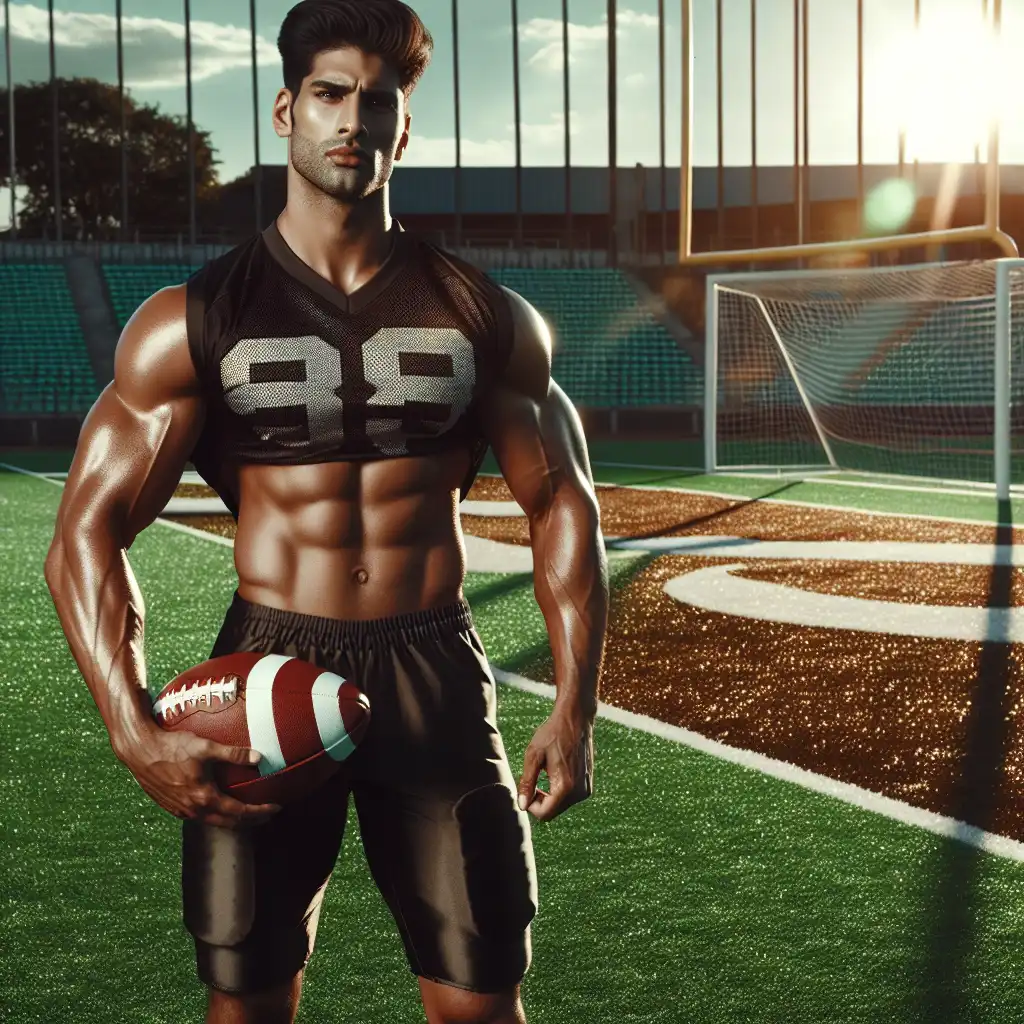
He's the stereotypical football player - big, strong, and powerful.
stereotypical
ˌsteriəˈtɪpɪkl
Cargando…
ˌsteriəˈtɪpɪkl
Relating to a widely accepted idea of how a particular type of person or thing should be
He's the stereotypical football player - big, strong, and powerful.
ˌsteriəˈtɪpɪkl
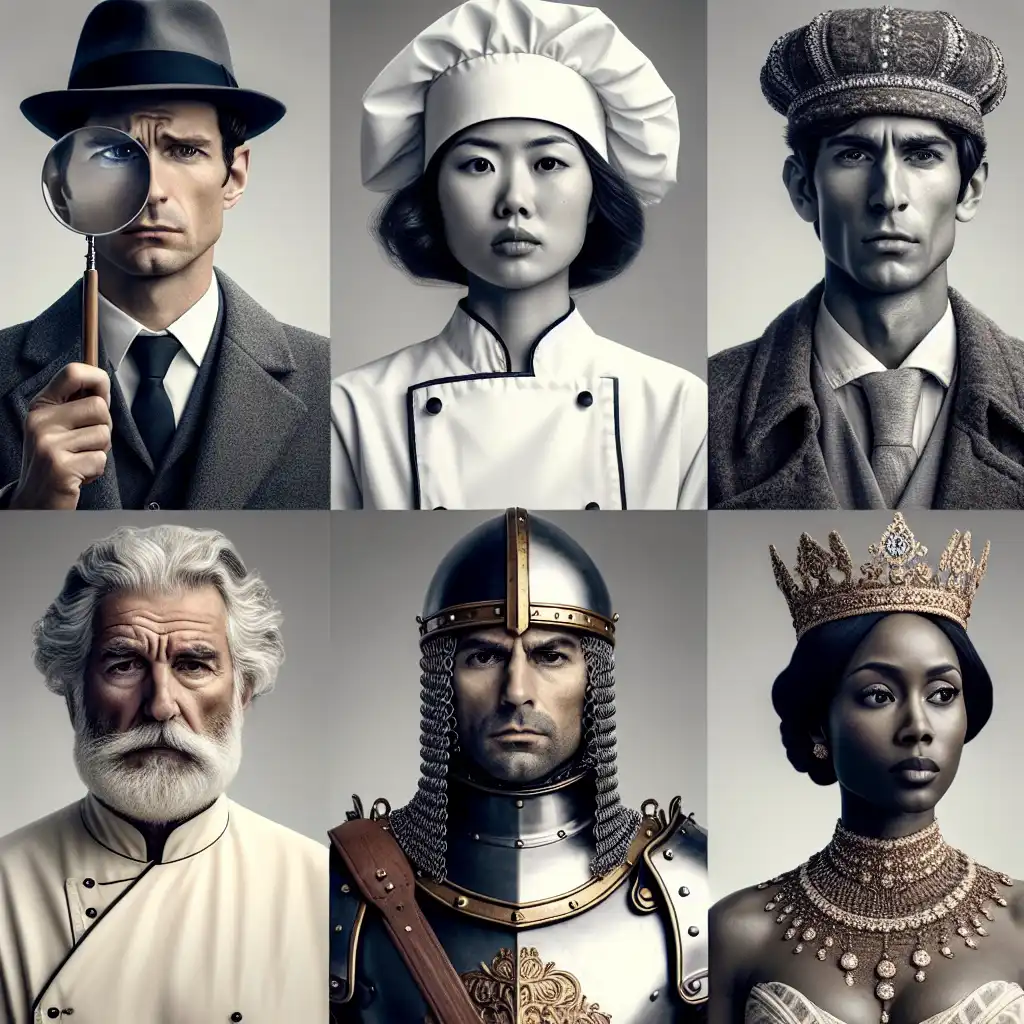
Lacking originality or individuality because of common usage
The movie contains all stereotypical characters which makes it predictable.
No se pudo cargar el audio. Inténtalo de nuevo más tarde.
The word 'stereotypical' is used to describe something that is a common, predictable or overused idea about a person or group of people. For example, if someone says "women are bad drivers", that is a stereotypical statement because it is a commonly held idea but is not necessarily true for all women. It is important to be aware of stereotypes and not to make assumptions about people based on them.
Conventional means something that is widely accepted as normal or traditional. For example, it is conventional to wear formal clothes to a job interview.
Conventional relates to what is commonly accepted as the norm, while stereotypical relates to generalized views about a particular group of people.
Abrir palabra: Conventional →Hackneyed means something that has been overused to the point that it has become unoriginal and cliched. For example, the phrase "think outside the box" has been used so much that it has become hackneyed.
So, while both words refer to something that is commonly known, hackneyed emphasizes that it is unoriginal, while stereotypical emphasizes that it may not be completely accurate.
Hackneyed is applicable when referring to language or phrases, while stereotypical is applicable when referring to generalizations or assumptions about a particular group of people or thing.
Abrir palabra: Hackneyed →Ordinary refers to things or people that are normal, common or usual. For example, an ordinary day would be a day where nothing special or unusual happens.
So, while ordinary refers to things that are common or usual, stereotypical refers to things that are based on widely-held but often oversimplified ideas or images.
Abrir palabra: Ordinary →Original refers to something that is unique and individual, whereas the word stereotypical refers to something that follows a common and often oversimplified idea or belief about a certain group or thing.
For example, an original idea or piece of artwork is something that is new and creative, whereas a stereotypical idea or representation of a certain group of people might rely on common assumptions or prejudices.
Original is positive and refers to something that is fresh and unique, while stereotypical can be negative and refers to something that is overly simplistic or inaccurate in its representation.
Abrir palabra: Original →Predict refers to making an assumption or guess about what will happen in the future based on available information or past experiences.
For example, if someone says that it will rain tomorrow because they saw dark clouds in the sky today, they are predicting the weather.
Predict is applicable when someone is trying to make an educated guess about something based on known information, while stereotypical is applicable when someone is making assumptions and generalizations about groups or individuals based on preconceived notions.
Abrir palabra: Predict →Traditional refers to something that has been passed down from previous generations or established as a customary practice.
It can be applied to customs, beliefs, or practices that are often valued or respected, such as traditional family values or a traditional wedding ceremony.
Stereotypical refers to an oversimplified or negative image or idea, while traditional refers to something that has been established over time and is often respected.
Abrir palabra: Traditional →Trite refers to an idea or phrase that has been overused to the point of losing its original meaning or impact. For example, saying "it's raining cats and dogs" is trite because it has been repeated so many times that it no longer has the same impact or effectiveness as it once did.
Both words describe unoriginal or cliché ideas or expressions, but stereotypical specifically relates to groups of people or things, while trite refers to ideas or expressions in general.
Abrir palabra: Trite →Stereotypical refers to something that is a widely accepted or exaggerated generalization about a particular group or category of people.
Typical refers to something that is characteristic of a particular group or category of people. For example, it would be typical for a teenager to be going through a period of self-discovery and experimentation.
Stereotypical refers to an untrue or exaggerated generalization, while typical refers to something that is characteristic or expected for a particular group or category.
Abrir palabra: Typical →3 ways to make better...
Ver en YouTube ↗A lot of times I watch TV and I watch film and there's so many things I'd love to talk about that I feel don't get the opportunity to be shown. Sometimes things become very stereotypical and one-sided, and I feel like it's such a colorful world.
Why should you read...
Ver en YouTube ↗The public has heard the stereotypical love songs a million times, and they've heard the stereotypical life-or-death songs millions of times. It's good to mix it up a little bit.
Reframing Black History...
Ver en YouTube ↗I'm just trying to put my feet into different characters and not play the stereotypical type thing, to let me grow as an actor.
Depicting new images of...
Ver en YouTube ↗I portray female characters, so I have the opportunity to change the way people look at them. Even if I wasn't consciously doing that, it would happen anyway just because of how I present as a woman, or as a person. I present in a way that's not stereotypical, even if I'm playing a stereotypical role.
Karen Armstrong: Let's...
Ver en YouTube ↗You typically find stereotypical female characters that are people pleasers, where they are wives and girlfriends, typically, who are in the background.
What the world can learn...
Ver en YouTube ↗The joy of tasting different cultures is it gives you a broad perspective, and you don't judge people from stereotypical characters you see in films.
Ash Beckham: When to...
Ver en YouTube ↗I like grey characters; fantasy for too long has been focused on very stereotypical heroes and villains.
How generational...
Ver en YouTube ↗I personally don't feel any pressure to make jokes about multiple baby-fathers and stereotypical black jokes, because one, that's just not my life, and two, I wouldn't even sound right talking about those things.
Marlene Zuk: What we...
Ver en YouTube ↗I hear actors complain about being stereotyped, and a lot of the time, you have yourself to blame. Just don't take the part if you feel like it's a stereotypical part for you. You have control over your life. We don't have the old studio system, where you have to do what they tell you.
My journey from Marine...
Ver en YouTube ↗It's important that I work with people where they know why they're hiring me and that they're looking to create art without fear. Anyone who uses those excuses to not cast people or to create extremely stereotypical characters, they're creating out of fear, and to me that's really boring.